• Contact
  • Elaborations
    • A Policeman’s View
    • Driving School Diary
    • Great Danes
    • IVA charged on Tassa Rifiuti
    • Nana
    • Old trains and Old weekends
    • The peasant, the virgin, the spring and the ikon
    • Will Someone Please, Please Take Me to Scotland??
  • Recipes
    • ‘Mbriulata
    • *Baked Barley and Mushroom Casserole*
    • *Captain’s Boston Baked Beans*
    • *Cherry Tart*
    • *Crimson Pie*
    • *Louise’s Birthday Cake*
    • *Melanzane alla Parmigiana* – Eggplant Parmesan
    • *Penne with Cabbage and Cream
    • *Pizzoccheri della Valtellina*
    • *Pumpkin Ice Cream*
    • *Risotto alla Bolognese*
    • *Rolled Stuffed Pork Roast* on the rotisserie
    • *Shrimp and Crayfish Tail Soup*
    • *Spezzatino di Vitello*
    • *Stuffed Grape Leaves*
    • *Swordfish with Salsa Cruda*
    • *Tagliarini with Porcini Mushrooms*
    • *Tagliatelli al Frutti di Mare*
    • *Tzatziki*
    • 10th Tee Apricot Bars
    • Adriana’s Fruit Torta
    • Artichoke Parmigiano Dip
    • Best Brownies in the World
    • Clafoutis
    • Cod the Way Sniven Likes It
    • Cold Cucumber Soup
    • Crispy Tortillas with Pork and Beans
    • Easy spring or summer pasta
    • Fagioli all’ucelleto
    • Fish in the Ligurian Style
    • Hilary’s Spicy Rain Forest Chop
    • Insalata Caprese
    • Kumquat and Cherry Upside Down Cake
    • Lasagna Al Forno con Sugo Rosato e Formaggi
    • Lemon Meringue Pie
    • Leo’s Bagna Cauda
    • Leo’s Mother’s Stuffed Eggs
    • Louis’s Apricot Chutney
    • Mom’s Sicilian Bruschetta
    • No-Knead Bread (almost)
    • Nonna Salamone’s Famous Christmas Cookies
    • Pan-fried Noodles, with Duck, Ginger, Garlic and Scallions
    • Pesto
    • Pesto
    • Pickle Relish
    • Poached Pears
    • Polenta Cuncia
    • Pumpkin Sformato with Fonduta and Frisee
    • Rustic Hearth Bread
    • Sicilian Salad
    • Soused Hog’s Face
    • Spotted Dick
    • Swedish Tea Wreaths
    • The Captain’s Salsa Cruda
    • Tomato Aspic
    • Vongerichten’s Spice-Rubbed Chicken with Kumquat-Lemongrass Dressing
    • Winter Squash or Pumpkin Gratin
    • Zucchini Raita

An Ex-Expatriate

~ and what she saw

An Ex-Expatriate

Category Archives: Italian recipes

Fagioli all’uccelleto

11 Friday Sep 2020

Posted by farfalle1 in Italian food, Italian recipes, Uncategorized

≈ Leave a comment

Tags

Bean dishes, Fagioli all'uccelleto, Italian comfort food, Pelegrino Artusi

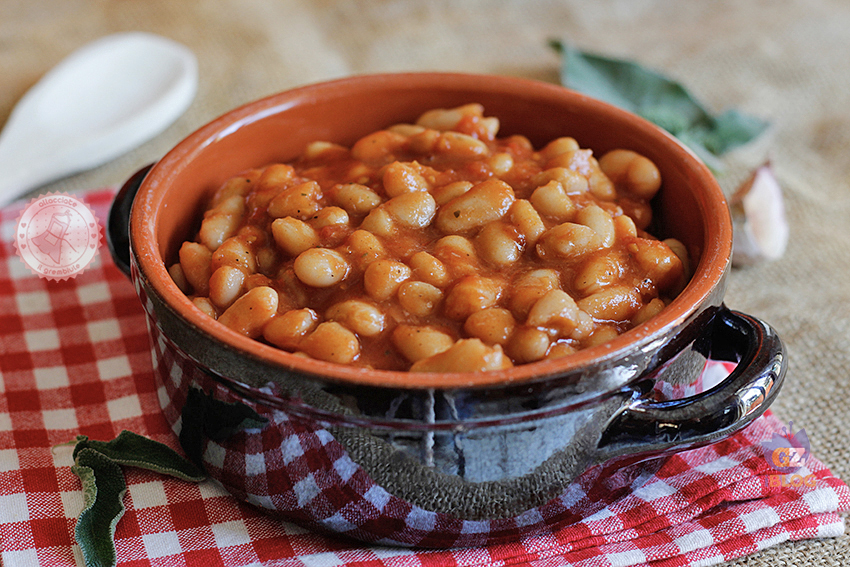
FAGIOLI ALL'UCCELLETTO ricetta contorno facile saporito

Photo courtesy of Giallo Zafferano blog

When we were on the famous vacation in Maine we bought supplies for cooking at home. Amongst the dishes we wanted to prepare was Fagioli all’ucceletto, beans in the style of songbirds.

Before you get your feathers ruffled, I assure you there are no songbirds in this recipe; in fact it is completely meatless. So why do songbirds even appear in its name? To answer that we have to go all the way back to this bearded gent with the wonderful name of Pellegrino Artusi (‘pellegrino’ in Italian means ‘pilgrim.’)

Pellegrino Artusi, the man who revolutionized Italian cuisine - Hotel  Regency

Artusi was born in 1820 in Emilia-Romagna in northeastern Italy, one of eight children but the only son of a wealthy father. When he was in his early 30’s he moved to Tuscany. Although he spent his successful working life in finance, he had a life-long passion for literature and for cooking. He died in 1911 at the ripe old age of 90.

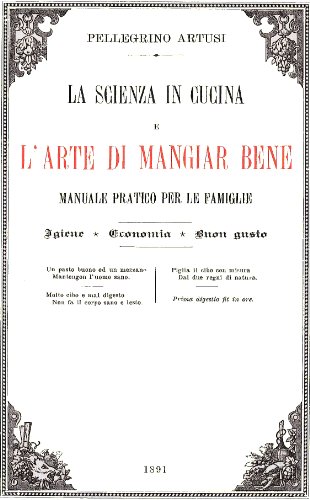
Not long after the unification of Italy Artusi wrote one of the earliest Italian cookbooks, ‘La Scienza in Cucina e l’ Arte di Mangiar Bene’ (The Science of Cooking and the Art of Eating Well). An enthusiast of the developing Scientific Method, Artusi subjected every recipe in his book to testing – something that seems obvious us to us now, but wasn’t then. His book, still available from Amazon, collects 790 recipes from all corners of the country and includes the author’s witty comments and recollections. Aside from its culinary merit, the book has a cultural significance in that it swept up the formerly disparate regional dishes of Italy into one Italian national cuisine.

We’ve flown far afield from our little songbirds, so let’s return to the recipe and the question of why it’s called after songbirds. No one is really certain, but Artusi opined it was because the flavorings – sage and garlic – were those traditionally used to cook songbirds. (I know, it’s sort of an anti-climax after the build-up, isn’t it?)

That seems a good enough reason to me. So without further ado, here’s the link to Speedy’s recipe for fagioli all’ucceletto, one of the most comfortable of comfort foods.

Amazon.com: La scienza in cucina e l'arte di mangiar bene: Manuale pratico  per le famiglie Compilato da PELLEGRINO ARTUSI (790 ricette) e in appendice  “La cucina per gli stomachi deboli” (Italian Edition)

Porchetta

05 Tuesday Aug 2014

Posted by farfalle1 in Customs, Food, Italian festas, Italian food, Italian recipes, Liguria, Rapallo, San Maurizio di Monti, Uncategorized

≈ 12 Comments

Tags

Comitato Fuochi, Festa di San Maurizio

Festa at San Maurizio porchetto-002San Maurizio’s wonderful Comitato Fuochi put on a weekend-long shindig a couple of weeks ago, their Summer Festival. This doughty group of volunteers was first formed in 1903. In the early days the Committee divided our frazione into three districts.   In the 1940’s the three districts became two, and in the 1980’s the two became one; since 2006 the group has been particularly active. Working with the town of Rapallo they helped organize the construction of the soccer field where they now hold their events. In the intervening years they have added several permanent and temporary structures so events can be held in all weather.

The main purpose of the group is to have a Festa in honor of our frazione’s patron saint, San Maurizio each September. One of the highlights of the annual Festa Patronale is the fireworks display; this, of course, costs money, and part of the reason for the other four annual Festas (Carnivale, Spring, Summer, Chestnuts) is to raise money for the main event.

The weekend festa is comprised of food and entertainment. Being old farts we didn’t make it down to the soccer field to enjoy the entertainment.
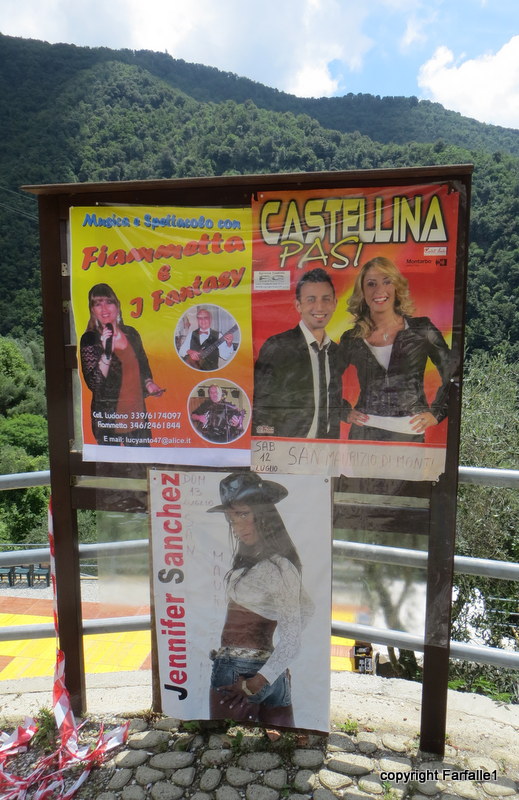
Festa at San Maurizio the talent

In fact, sadly the Friday night show was rained out. We did, however, stop in for lunch on Sunday, not knowing what we would find on the menu. To our delight we found trofie al pesto (a traditional Ligurian pasta), totani (small fried squid) and porchetta, seen above, amongst other things.

Wikipedia describes porchetta as “a savoury, fatty, and moist boneless pork roast of Italian culinary tradition. The body of the pig is gutted, deboned, arranged carefully with layers of stuffing, meat, fat, and skin, then rolled, spitted, and roasted, traditionally over wood. Porchetta is usually heavily salted in addition to being stuffed with garlic, rosemary, fennel, or other herbs, often wild. Porchetta has been selected by the Italian Ministero delle Politiche Agricole, Alimentari e Forestali as a prodotto agroalimentare tradizionale (“traditional agricultural-alimentary product”, one of a list of traditional Italian foods held to have cultural relevance).” The dish originated in central Italy, but is now popular throughout the country. You can frequently find it at weekly markets at a special truck, and it turns up often at festas like ours as well. This particular porchetta came from Tuscany, from Montepulciano to be exact. And it was delicious, according to Speedy (I ate the totani, which was also really, really good).
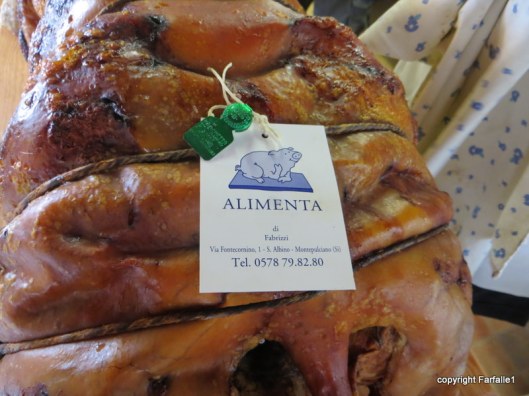
Festa at San Maurizio where pork was fromI asked Speedy to write down the story of his introduction to porchetta to share with you. This is what he said, “I first learned about Porchetta and its charms back in the 1970’s when I was flying cargo from New York to Rome.  Without flight attendants and the access to First Class fare which was available to crews on passenger flights, the guys and I would arrive in Rome famished–and with the usual thirst that follows long flights.  One day I asked one of the agents meeting the flight where was the best place to stop to take care of this problem on the way to the crew hotel in central Rome.  He suggested telling the taxi driver to take the Via del Mare where we would find one of those open-sided trucks that are, in fact, full kitchens that serve the food out on paper from a high counter that runs the length of the vehicle–this is the Italian version of a Truck Stop.  And, the ground in front would, in fact, be crawling with huffing trucks.  Anyway, we would get slabs of steaming porchetta on thick slices of crusty, chewy bread and a small glass of frascati for about a dollar.  For a couple more glasses of frascati one had to put out another quarter or so.” It is a very happy memory for him!

Image courtesy of Charcouterie Ltd.

A porchetta-like dish is not hard to make at home. You can find many recipes on the internet, for example this one from Epicurious or this one from Bon Appetit. My own favorite, natch, is Speedy’s own recipe for rolled, stuffed pork roast, which is very porchetta-like. But for the true porchetta experience you have to come to Italy and visit one of the many stands or festas where it is served. I recommend the ones at San Maurizio. You won’t find a harder-working group of volunteers any where and the food is always great. Here are a few more photos of our visit to the tent and there are more over here if you are interested.

One of my favorite poems from the book Unleashed: Poems by Writers’ Dogs (1999) is this one by a yellow lab, whose writer companion I don’t remember. The poem goes something like this:

Ya gonna eat that?
Ya gonna eat that?
Ya gonna eat that?
I’ll eat that!
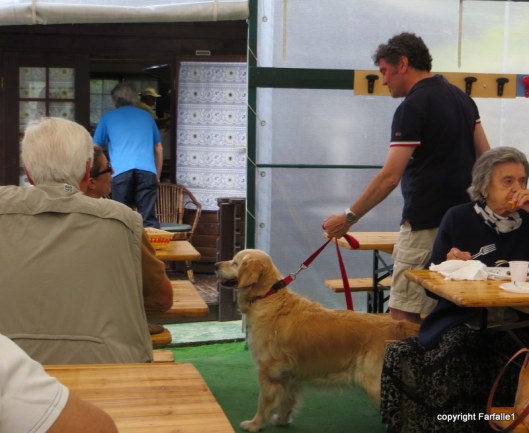
Festa at San Maurizio

I love how they keep the porchetta swaddled up in a sheet – keeps the flies off.
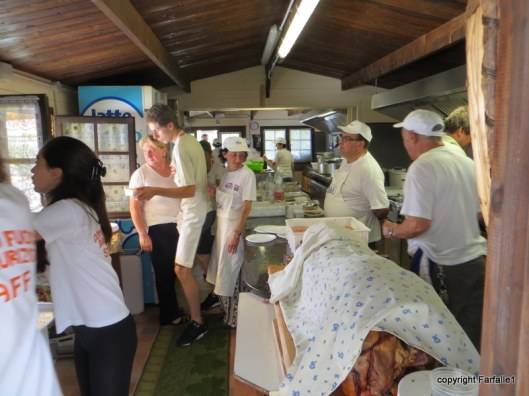
Festa at San Maurizio the gang

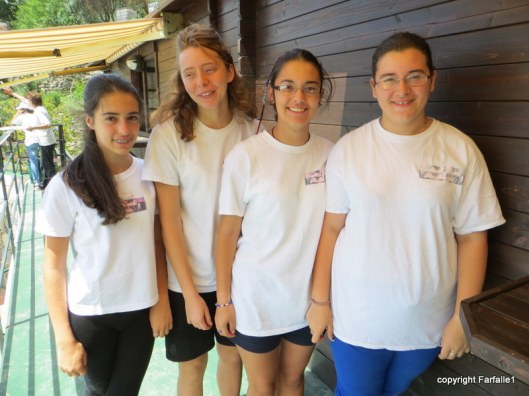
These girls are run off their feet when things get busy, but they never mess up an order.Festa at San Maurizio the waitresses
Making Mozarella

29 Wednesday Jan 2014

Posted by farfalle1 in Food, Italian food, Italian recipes, Uncategorized

≈ 18 Comments

Tags

Cheese, Cheese-making, Mozzarella

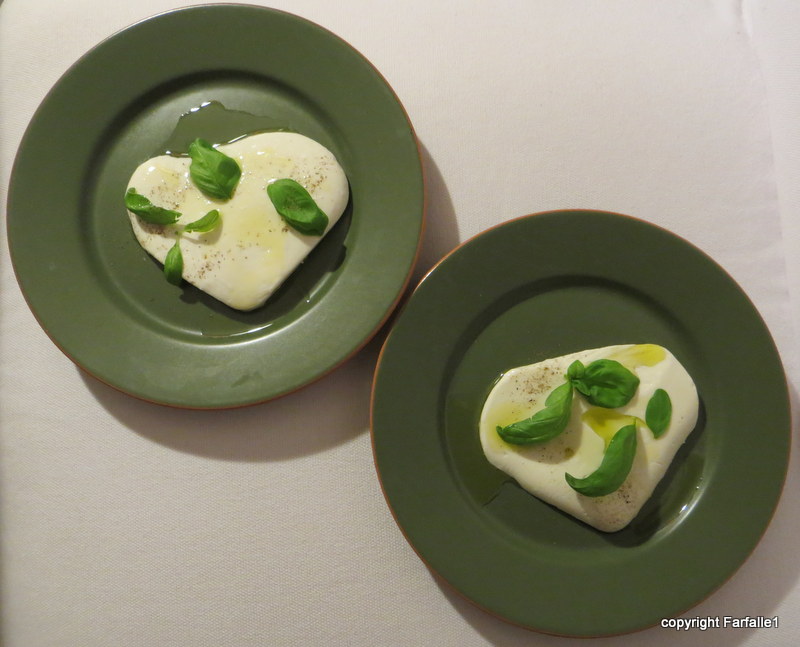
IMG_2137
Cheese.  It’s one of the things I miss the very most about Italy when we are not there. Cheese has always been one of my major food groups (others: vegetables, fruit, rice-bread-potatoes, and chocolate; I believe that adds up to the requisite five). We are spoiled in Italy – the Italian Cheese book put out by Slow Food (edited by Rubino, Sardo and Surrusca) describes 293 different kinds of cheese. Granted some of these are kissin’ cousins: add a little smoke to fresh mozzarella and you have smoked mozzarella, two different cheeses but close relatives. Still, you can eat a different cheese every day in Italy and not run out for almost a full year.

Speaking of mozzarella, it is the comfort food of the cheese world.  Soft, not really bland but not challenging, it goes with everything. On its own with a bit of oil, salt and basil it is the perfect first course. Mix it into pasta, make a sandwich, put cubes of it in your salads, make pizza – there’s little that is not improved by the addition of fresh mozzarella.

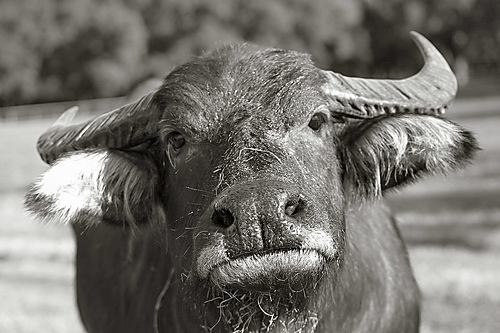
Photo courtesy of Woodstock Water Buffalo Company

Photo courtesy of Woodstock Water Buffalo Company

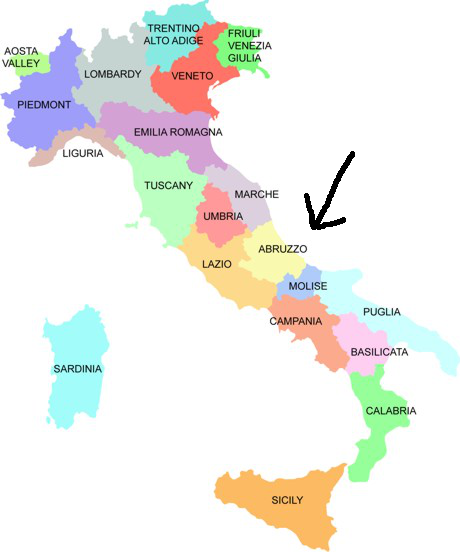
Sad to say it is almost impossible to find it here in the States (unless you live near Quebec). And when you do find it, it is generally shrink-wrapped with a token amount of liquid, not swimming in the briny water it prefers. Store-bought mozzarella here is of dubious age and provenance, not like Italy where we know it has come from very nearby, unless it is mozarella di bufala – then it is made from the milk of water buffalos (see the winsome face above) from ‘the south’ – Campania, Lazio, Apulia or Molise.

Map courtesy of understandingitaly.com

Map courtesy of understandingitaly.com

What to do about this sad lack in our lives? You already know the answer – we decided to make our own. Thanks to Emma Christensen’s delightful website thekitchn we discovered that mozzarella is not only easy to make, it’s FUN to make. Basically all you need is a gallon of milk, some citric acid and rennet (readily available online) and about an hour.

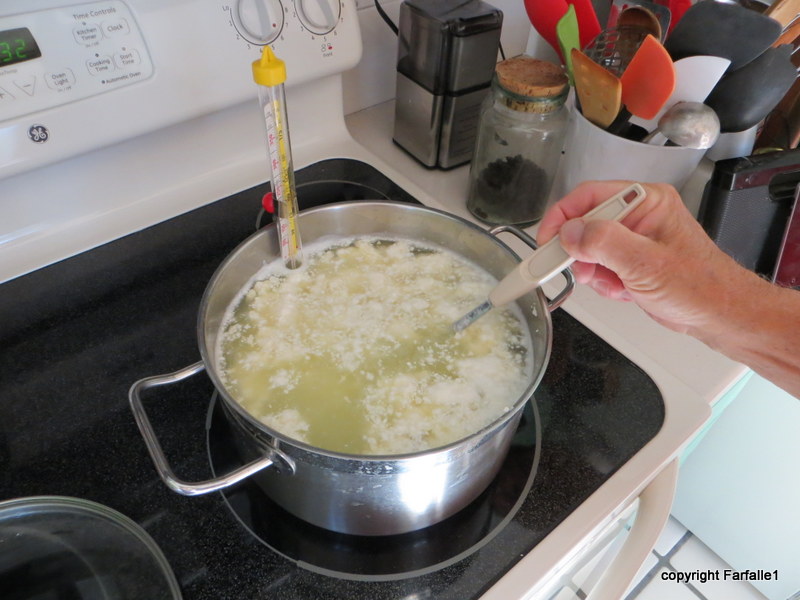
making mozarella

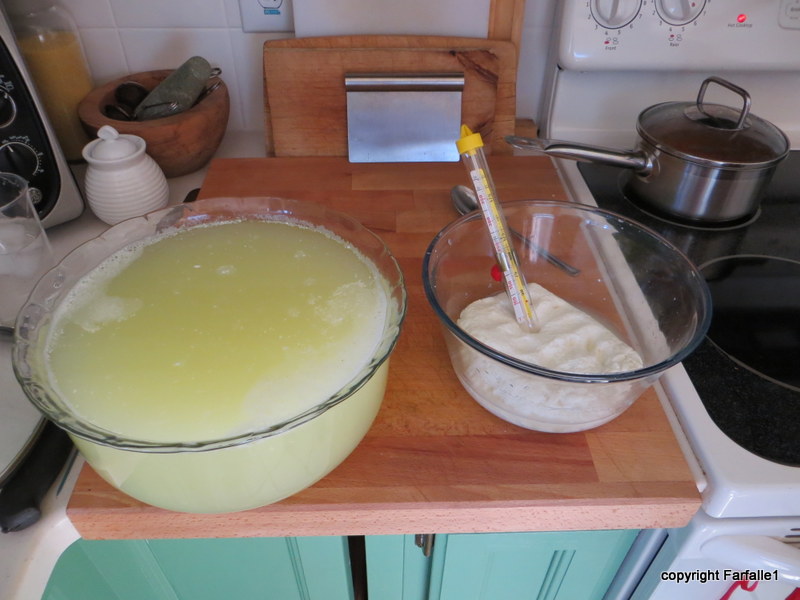
The hardest part of the exercise for Speedy and me was getting the temperatures right; but evidently we didn’t do too bad a job. In the photo above you see the milk, to which has been added the citric acid and rennet, coming up to temperature. Curds and whey are already forming – this so so much fun!

making mozarella-001

Once the curds had clumped up we separated them from the whey (Emma suggests using whey for bread-making, soups, smoothies and so forth) and… microwaved them! I know – we were really surprised too, but it turns out to work very well. We had to bring the cheese up to an interior temperature of 135 F in order for it to become elastic.

making mozarella-005

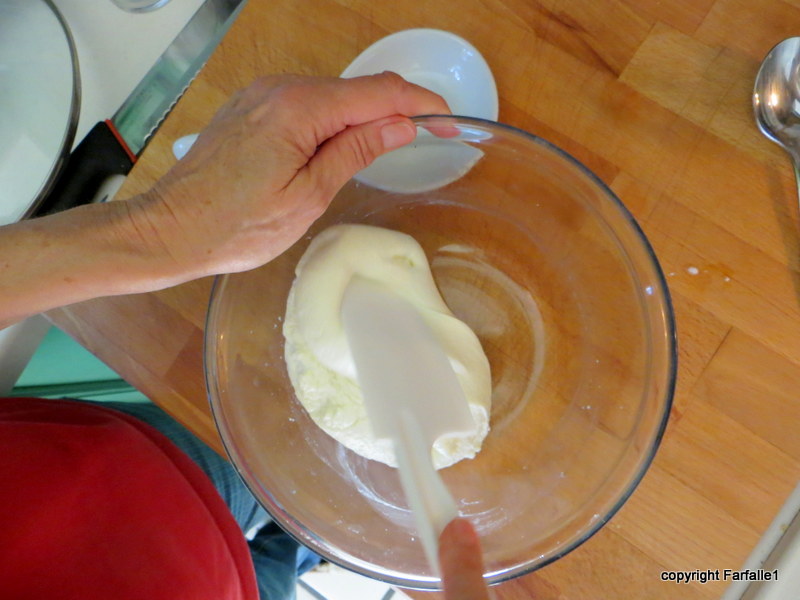
After that it was a simple matter of adding salt and ‘kneading’ to make the cheese elastic and glossy.

making mozarella-006

Our finished ‘balls!’ I’m not sure why ours flattened out so much. Perhaps we left too much whey in, or perhaps we didn’t knead enough – or too little – or perhaps we were off on our temperatures (a new instant thermometer is on the shopping list). In any event, they taste just fine. Maybe not quite as good as what we buy in Liguria… but maybe so.*

Now… what to do with 3 quarts of whey. If only we had a pig…

*Honesty compels me to admit our cheese was a bit strange.  The balls didn’t hold their shape; instead they flattened out into large discs.  The texture of the cheese was denser than we expected, though the flavor was just fine, sweet and rich.  Bottom line: we need to do this again!

A week later and a second try: better, but still not *perfect*.

Crackers!

01 Monday Oct 2012

Posted by farfalle1 in Italian food, Italian recipes, Uncategorized

≈ 3 Comments

Tags

Crick-Crocks, Italian crackers, Italian Lingue, Lingue, Making crackers at home

No, we’re not crackers, at least not yet.  But we do love to eat them with our late afternoon snack with salami (Speedy) and  cheese (Fern).

Not long ago we discovered at our local bakery an absolutely delicious, crispy cracker which they call ‘krick-krock’ and which are known throughout Italy as lingue (tongues) for obvious reasons:

Say ‘Ahhhhhh!’  The problem is they are rather expensive, at least when one eats them in the quantities that we like to.  What to do?  It didn’t take Speedy long to break the code on how they’re made.  Does it take a bit of work?  Well, yes.  Are they easier to produce with four hands than two?  Yes, but not at all impossible with only two, Speedy can attest to that.  I guarantee they are worth the effort – you’ll never want another Trisket or Saltine after you eaten these crackers (I just can’t call them ‘Speedy’s tongues’ – it sounds troubling).

Here’s the recipe Speedy developed.

First, make a starter (called a ‘biga) by dissolving

1/3 tsp yeast in
1/2 cup warm water
to this add
enough white flour to make a slurry (think library paste)

Let the starter age anywhere from 2 hours to 24 hours – it lives to serve you.

When you’re ready to make the dough dissolve
1/2 tsp yeast in
1 Cup warm water (or, better yet,  1/2 Cup warm water, 1/2 Cup beer)

when the yeast is dissolved stir in
your biga
2 tsp salt
1/4 Cup olive oil
1/3 Cup whole wheat flour
1/3 Cup corn meal
enough White Flour to make a stiff dough (2-3 Cups)

Cover and let rise in a warmish spot for 2-3 hours.

Pre-heat oven to 500. (!)

Knead into the risen dough
2/3 Cup crumbled rye bran

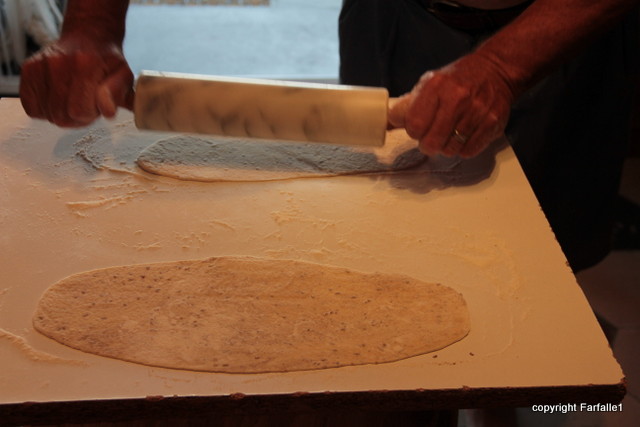
Break off a knob about the size of two extra large eggs, and roll out on a well-floured board to desired thickness (1/8  inch isn’t so bad) in the shape of a long thin tongue.

Transfer the tongue to an oiled baking sheet, brush with olive oil and salt to taste (we use a lot of salt because we love our crackers salty) and put on the top rack of the oven.

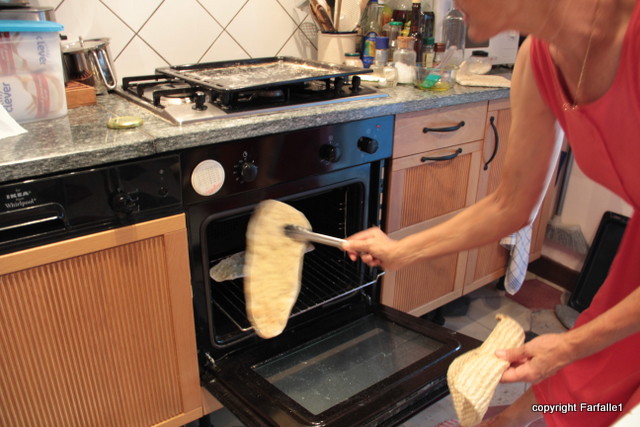
Keep an eye on them!  When they just start to take a little color pull the pan out and use tongs to flip the tongues over (no need to oil or salt the other side).

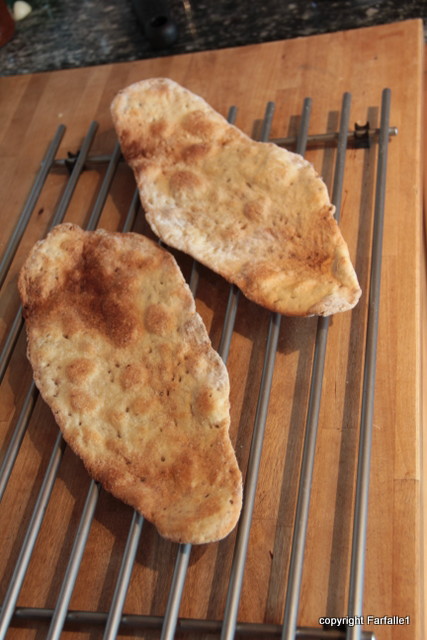
Pop them back in and keep a watchful eye.  When the top again begins to brown pull them off the baking sheet with tongs and place them on the bottom rack of the oven to dry out a bit, finish cooking and get crispy.  Keep an eye on them, this step doesn’t take very long.  You can be rolling out and baking the next lot while the first ones are on the bottom rack.

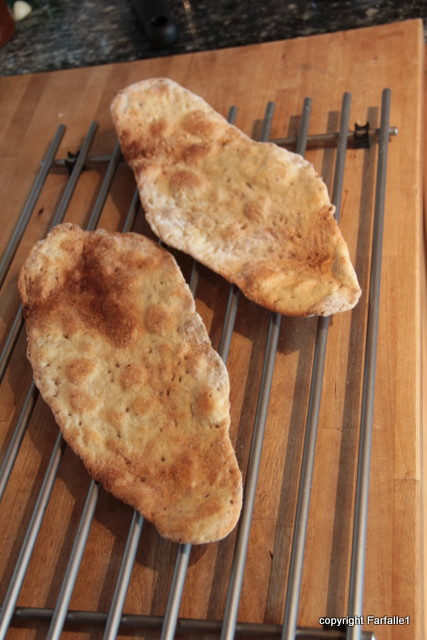
When they’re done put them on a rack to cool.  They keep very well in a plastic container for as long as you can keep from gobbling them up (we use an ancient Tupperware cake saver).  Just break them into the size you want and enjoy.

I know it sounds like a fair amount of work, but the results are very much worth it; you won’t be sorry.  Even if they get a little over-done on the bottom rack they are still delicious.

Buon Appetito, and please pass the beer!

The Best Thing We Ate This Week – Three P’s Pasta

13 Thursday Oct 2011

Posted by farfalle1 in Food, Italian food, Italian recipes, Uncategorized

≈ 4 Comments

Tags

Paglia e fieno, Pasta with pancetta cream and peas, Straw and hay pasta

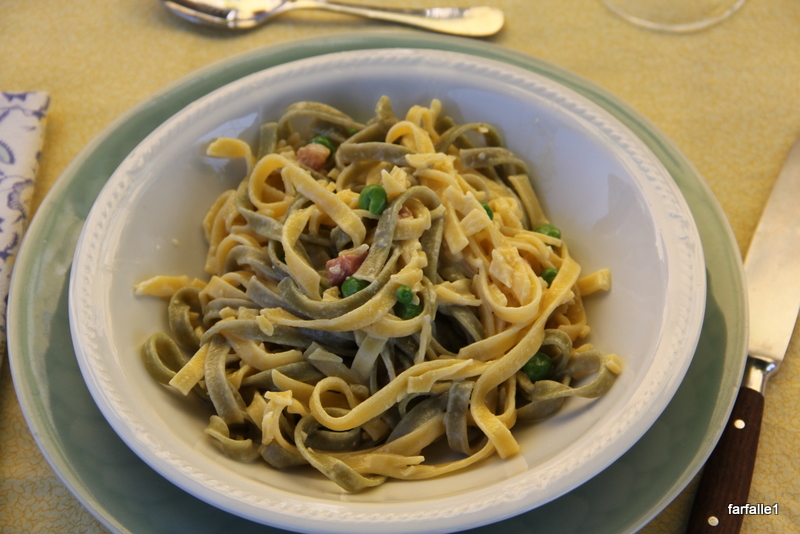
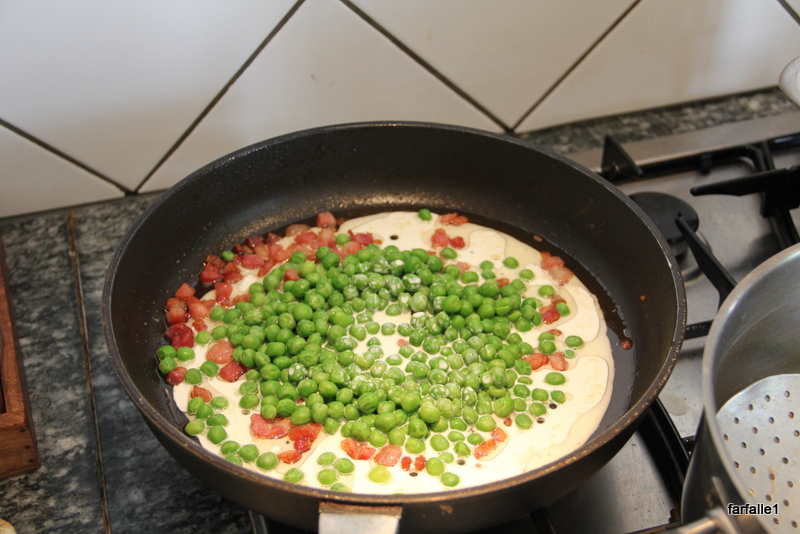
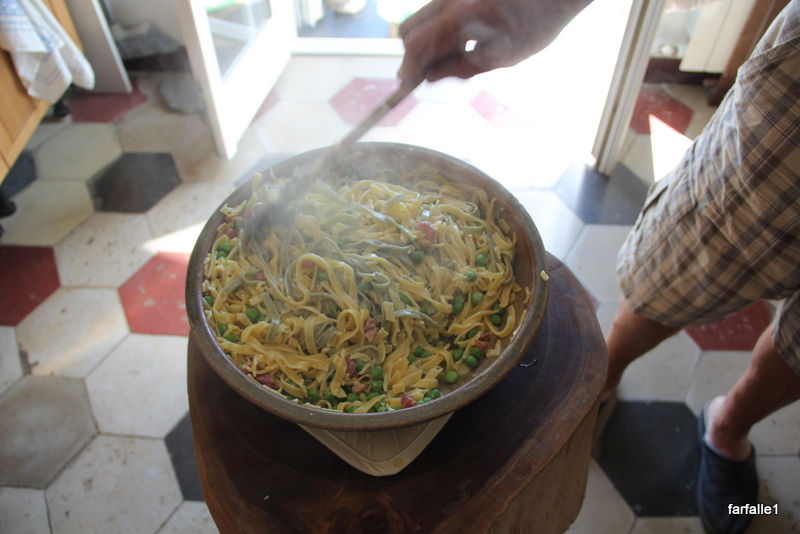
Piselle, Pancetta, Panna!  (Peas, smoked bacon cubes, cream!)

A dear friend served us this dish, made with fresh (!) peas in the Spring and was kind enough to share the recipe.  Before I could share it with you the weather got too hot to be thinking about pasta and cream, so I waited.  But now the days are shorter, the evenings cooler, and anything creamy doesn’t sound like such a bad idea. We made it this week and it was every bit as good as we remembered. 

It’s a simple enough recipe that it doesn’t require a separate page.  Here’s what you need:

Chicken (or other) broth
Fresh or frozen peas
Pancetta (or diced bacon)
Olive oil
Paglia e fieno pasta (mix of yellow and green noodles) – fresh is much, much                                                                                                                better than dry
Heavy cream
Parmigiano

Here’s what you do, as described by our friend:

Just saute some pancetta (or diced bacon in the USA) in a bit of olive oil.

Fresh peas really make a difference in this dish, but if not available frozen peas will do (but no canned peas please). Saute the peas in a little chicken broth until barely cooked and still crunchy.

The proper pasta for this dish is called Paglia & Fieno (it means Straw and Hay: the yellow noodles are the Straw and the green ones the Hay).  Cook the pasta until it is done to your taste.

While the pasta is cooking drain the peas, reserving the broth, add them to the pancetta and mix in enough heavy cream to cover the pasta well.

Grate a little Parmesan over the top and serve.

Use the reserved broth to thin if the dish seems too sticky.


Note that as a variation for this dish you can sautè some diced onions (or better yet – spring onions) in with the pancetta. Another variation is to substitute diced cooked ham for the pancetta.

You’ll notice there are no quantities given for the various ingredients.  Just get the amount of pasta that you want and use what seems to be an appropriate amount of the other ingredients according to your own preferences.  You can’t go wrong.  Buon Appetito!

Who Knew: Basil

16 Saturday Jul 2011

Posted by farfalle1 in gardening, Italian recipes, Liguria, Uncategorized

≈ 10 Comments

Tags

Basil, Growing Basil, Pesto


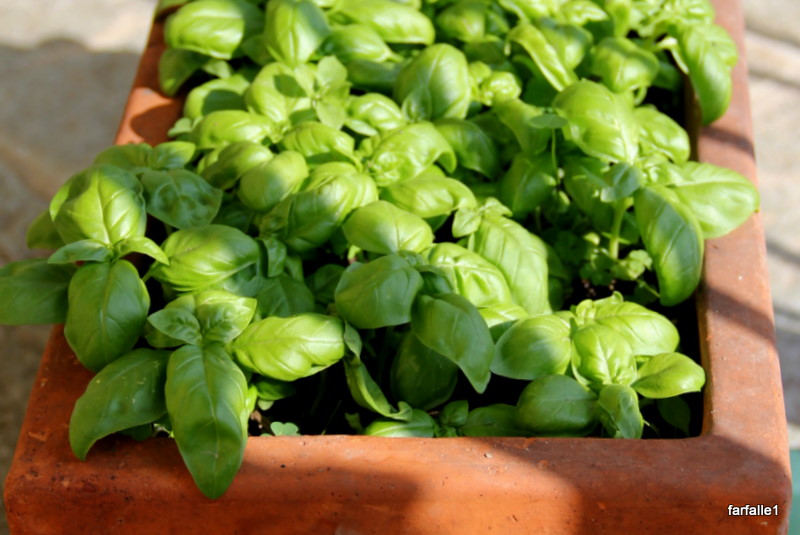
I always thought that basil wanted to grow in full, hot sun, and certainly we’ve always had good luck growing it that way.  But two unimpeachable sources (gnarled old Italian gardeners) have told us in the last week that full, hot sun is only for growing basil for minestra, the vegetable soup many still eat for supper here.  If you want to  make pesto with your basil, you must grow it in partial sun; it will be more tender and better suited to pesto (recipe here).  Who knew?

Stuffed Eggs Piemontese Style

28 Thursday Oct 2010

Posted by farfalle1 in Food, Italian recipes, Piemonte, Uncategorized

≈ 4 Comments

Tags

Deviled Eggs, Egg recipes, stuffed eggs

A stuffed egg is a wonderful thing. Eggs in general have suffered a lot of bad press from the cholesterol police, but for some of us they remain irresistible. I’ve always been a passionate enjoyer of stuffed eggs. My recipe is simple – it calls for the boiled eggs, mayo, a bit of mustard, and a parsley sprig on top for decoration.

On a recent visit to Piemonte our friend Leo taught me his recipe for stuffed eggs. It is a different animal altogether, not nearly as cloying as my recipe; no doubt it is healthier.

Here’s what you’ll need:

Eggs, as many as you want
A big handful of fresh Italian (flat) parsley, leaves only
2 or 3 anchovies
a piece of bread, broken into pieces and soaked in milk
olive oil
vinegar

The first step is to hard-boil the eggs, of course, then peel them, slice in half and remove the yolks.  Put half the yolks in a bowl, and save the other half for some other use (or salt and pepper them and eat them in the kitchen when no one is looking).

Next finely chop the parsley together with the anchovies and the bread, from which you’ve squeezed the excess milk.  Your mixture will look something like this:
Note the mezaluna – if you haven’t got one in your kitchen you may want to consider getting one and learning how to use it – it can really cut down chopping time.  Plus it’s loads of fun to use.

Smush the egg yolks with a fork and add to them the parsley mixture.

Mix in enough oil to make a nice clumpy filling for the eggs, and add just a dash of vinegar to brighten the flavor.  Nibble a bit and add salt and pepper to taste.
The rest you know.  Fill the eggs, arrange on a plate and serve.  My plate above was rather plain; Leo later decorated it with sage leaves and it looked a lot prettier.

Like all ‘deviled’ eggs these have mysterious evaporative properties; just look away for a moment and you’ll discover half of them are gone!

Kumquats

19 Sunday Sep 2010

Posted by farfalle1 in Italian recipes, Uncategorized

≈ 6 Comments

Tags

Kumquat chicken, Spicy chicken with kumquats

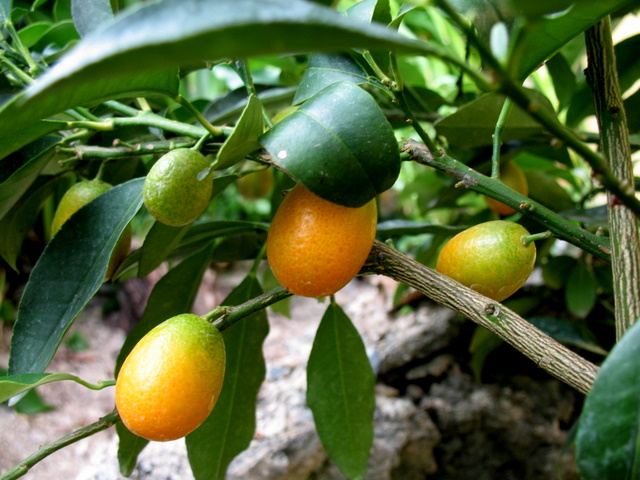
Kumquats are amusing because they are made inside out. Though they appear to the observer to be a normal, if rather small, citrus fruit, it becomes clear immediately to the eater that they have sweet skins and a very tart interior. Ha ha.

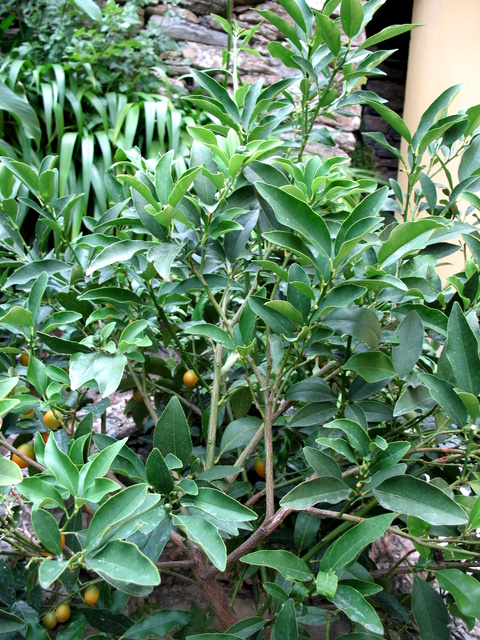
Wikipedia tells us that “they are slow-growing evergreen shrubs or short trees, from 2.5 to 4.5 metres (8 to 15 ft) tall, with sparse branches, sometimes bearing small thorns. The leaves are dark glossy green, and the flowers pure yellow, similar to other citrus flowers, borne singly or clustered in the leaf-axils. The kumquat tree produces 30 to 50 fruit each year.[dubious – discuss] The tree can be hydrophytic, with the fruit often found floating on water near shore during the ripe season.[citation needed]” I can’t speak for the hydrophytic (growing in water) nature of the tree, but the information on fruit production is dubious indeed. We have a very nice, short kumquat tree that we planted in ordinary garden soil a couple of years ago, and it gives us more fruit than we can count. Here is a photo of it after our most recent harvest:

“The plant is native to south Asia and the Asia-Pacific,” continues Wikipedia. “The earliest historical reference to kumquats appears in literature of China in the 12th century. They have long been cultivated in Japan, Taiwan, the Philippines and southeast Asia. They were introduced to Europe in 1846 by Robert Fortune, collector for the London Horticultural Society, and shortly thereafter into North America.” Their late arrival may account for the fact that they are not a particularly well-known or frequently grown garden tree in America. And their unusual taste guarantees that they are not going to be in a bowl on everyone’s table.

There are only so many one can eat in passing. Eating a kumquat really does wake you up. First you say, oooh, sweet. Then you say, yikes! sour!! A kumquat is a truly happy marriage of sweet and sour, in a pre-packaged and ready to eat form.

So what does one do with all the kumquats? We have asked ourselves that very question, but we are hardly the first to do so. Marmalade is the obvious answer, but we passed this year. Our shelves are already groaning under the weight of cherry, apricot and plum jam; we don’t need more jam. The people at Chow.com have some great answers to the question, all the way from soup to nuts… or at least from salad, through main course to dessert, with a nice rum drink to wash it all down.

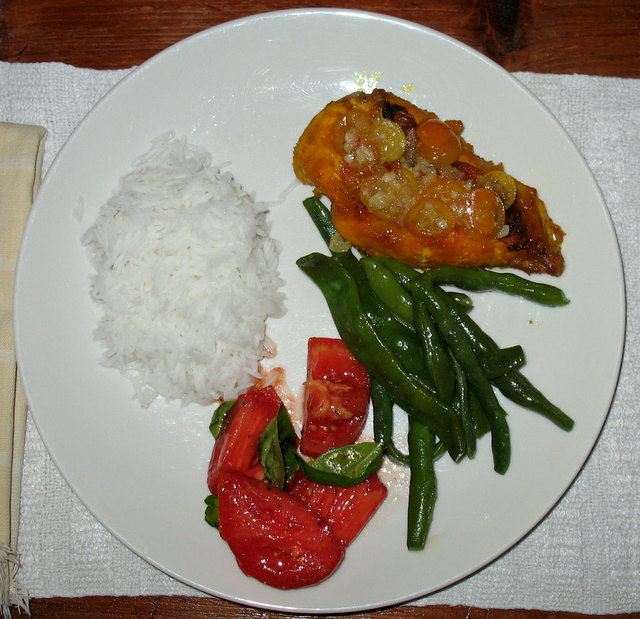
The Captain found and adapted a delicious and unusual chicken dish that uses kumquats on the epicurious web-site.

You can find the recipe here, or over on the right in the recipe index.

But whether you look at the recipe or not, I hope some day you’ll have a chance to eat some kumquats. They’ll make you sit up and say ‘howdy!’

When in Rome…

12 Sunday Sep 2010

Posted by farfalle1 in Food, Italian recipes

≈ 10 Comments

Tags

Spinach recipe, Spinach with raisins

The Ristorante Da Meo Patacca was a great favorite of the TWA crews years ago when the Captain was flying to Rome frequently. One of the most popular dishes of that discerning group of eaters was spinach prepared with garlic, pine nuts and raisins. Yes, raisins. Yum.

The recipe is simplicity itself. The quantities listed will make enough (barely) for two; adapt as required for your table.

2-3 Tablespoons raisins
1/2 kilo (1 lb) fresh spinach
2 Tablespoons olive oil
1 garlic clove, crushed
2-3 Tablespoons pine nuts

First put the raisins in a cup with some warm water and let them soak for a while – 15 minutes to half an hour should be sufficient.

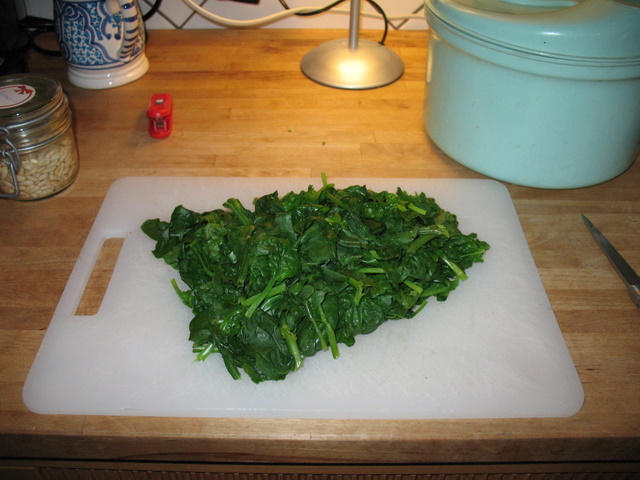
Wash the spinach well and put it in a big stock pot with a little bit of water. Cover and bring to a boil, flipping the leaves around frequently so they cook evenly. Cook them only until they are wilted and dark green; do not finish cooking them. Pour into a colander and let sit for a while or, if you’re in a rush, press the remaining liquid out with a wooden spoon.

Wipe out the stock pot with a paper towel, put it back on the stove and put in the olive oil. Put the garlic in the oil and cook until it is nicely browned, then remove it.

Add the pine nuts to the oil and cook until only just beginning to turn brown.

Toss in the spinach and the raisins and cook, stirring frequently, until the spinach is cooked to the degree you like it. Add salt and pepper to taste.

It couldn’t be easier, and it is absolutely delicious. The raisins are a wonderful surprise.

Gara di Pesto

08 Sunday Aug 2010

Posted by farfalle1 in Food, Italian recipes, Liguria, Rapallo, Uncategorized

≈ 13 Comments

Tags

Fred Plotkin, Giancarlo Dughera, Latte Tigullio, Marcello Ghizzo, Pesto, RapalloExpo, Recipes from Paradise, Roberto Ciccarelli

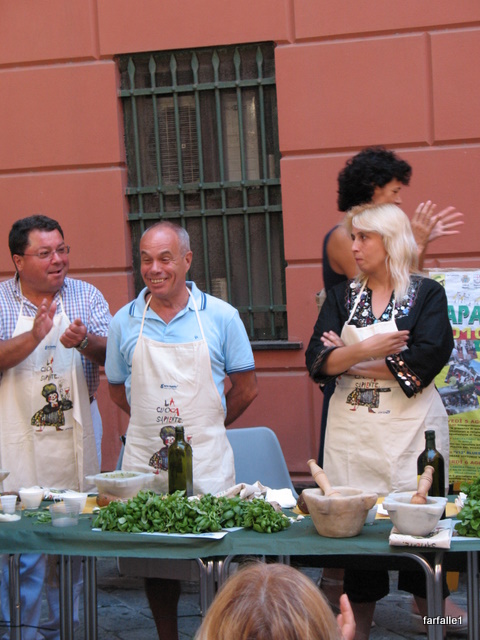
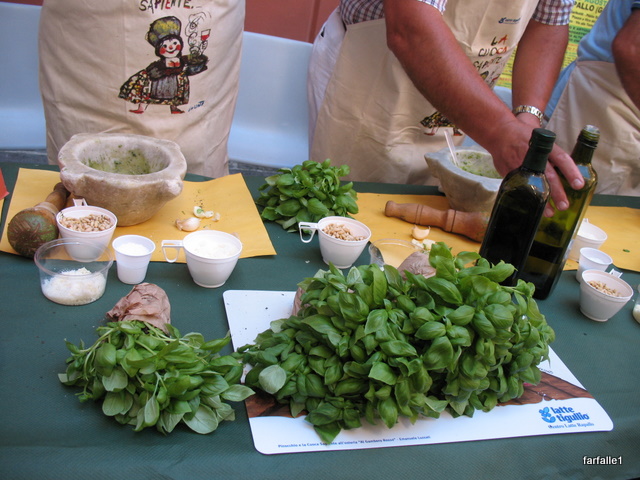
6 contestants, each with mortar and pestle; 7 ingredients; 20 minutes; and 2 judges:  that’s all that was required for the 3rd annual Gara di Pesto al Mortaio which took place Saturday afternoon as part of RapalloExpo 2010.

This four-day event featured a street market with more stalls than usual, conferences on various aspects of food production (bees and honey!), entertainment, and my favorite: the pesto cook-off.  It’s not really a cook-off, of course, because pesto isn’t cooked; so perhaps ‘competition’ would be a better word, though that hardly conveys the sense of excitement as a small crowed watched the very physical preparation of Liguria’s signature sauce.

Fred Plotkin, in his wonderful book Recipes from Paradise (Little, Brown and Company, 1997) gives 16  pesto recipes, including one for tourists, and one for people who are physically impaired and must use a food processor.  (Impairment is the only excuse for using a processor, according to Mr. Plotkin, because the delicate perfumes and flavors of the ingredients will be compromised by the harsh treatment of the metal blades.)

No, mortar and pestle is the only way to make pesto.  And there are only 7 ingredients in the classic Ligurian pesto (since Liguria is the home of pesto, it goes without saying that Ligurian pesto is the only one worthy of consideration).    The 7 ingredients needed are coarse sea salt, basil leaves (preferably small), garlic, pinoli, Pecorino Romano cheese, Parmigiano-Reggiano cheese and olive oil.  (Mr. Plotkin’s rendition of the classic dish can be found here.)

Chef Mario (pictured below), president of the Association of Chefs for the Genova region and Chef of Ristorante Da Mario in Rapallo was joined in the judging duties by a gentleman from Genova who is, if I understood correctly, somehow involved in the oversight of Pesto making in the region.

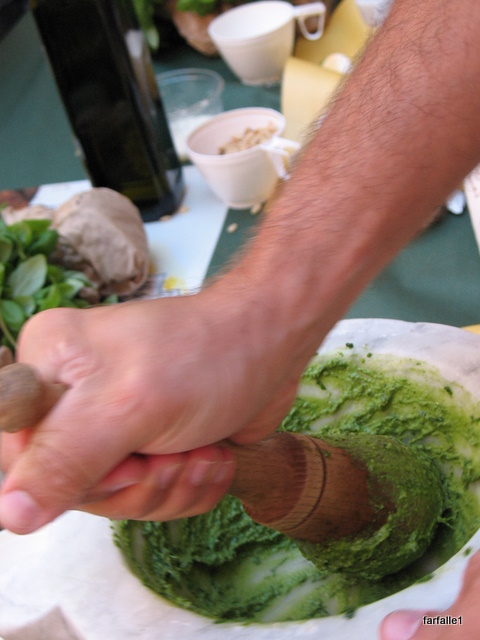
Pesto is made by putting a little bit of sea salt in the mortar, and carefully but enthusiastically adding the other ingredients and grinding it all into a thick paste.  The finished product looks like this:

The contestants made only a small amount of pesto, enough for the judges to taste to reach their decision.

The first to finish was this lady, though sadly she did not win first place:

So who did win?  Well, third place went to Marcello Ghizzo, center below:

and the second prize was awarded to Giancarlo Dughera:

The grand 1st place finisher was Roberto Ciccarelli:

What were the prizes?  There was something that looked like a large gym bag, an apron, and various condiments from Latte Tugullio, the local company that generously sponsors many civic events.  Oddly, included in the prizes were jars of… pesto!

The carton pictured above is a milk product called  Prescinsêua (pronounced pray-zhun-sieu), also called Quagliata Genovese.  It is a basic Ligurian ingredient made of fermented milk, not too different from clabbered cream or, perhaps, sour cream.  Some people use Prescinsêua in their pesto-making.

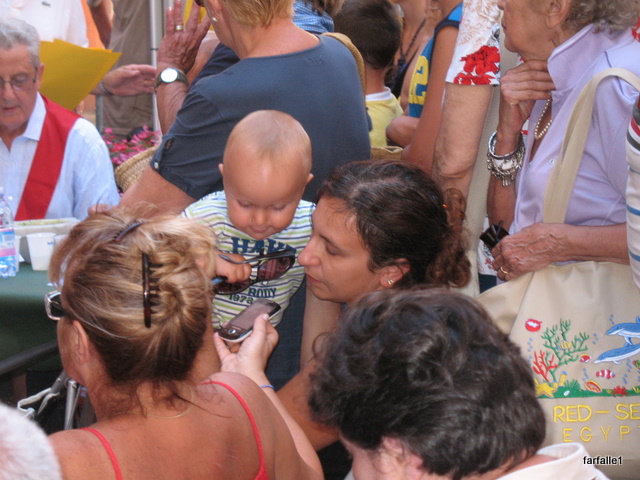
It was a lovely event.  Everyone from participants to audience to judges were good-humored.  Finally, here are a couple of pictures of the audience, because what’s a Gara without a crowd?

← Older posts

Enter your email address to follow this blog and receive notifications of new posts by email.

Join 114 other subscribers

rss

Subscribe in a reader

Search the Blog

A. Useful Links

  • bab.la language dictionary
  • Bus schedules for Tigullio
  • Conversions
  • English-Italian, Italian-English Dictionary
  • Expats Moving and Relocation Guide
  • Ferry Schedule Rapallo, Santa Margherita, Portofino, San Frutuoso
  • Italian Verbs Conjugated
  • Piazza Cavour
  • Rapallo's Home Page – With Link to the Month's Events
  • Slow Travel
  • The Informer – The Online Guide to Living in Italy
  • Transportation Planner for Liguria
  • Trenitalia – trains! Still the most fun way to travel.

C. Elaborations

  • A Policeman’s View
  • Driving School Diary
  • IVA refunds due for past Rifiuti tax payements
  • Nana
  • Old trains and old weekends
  • The peasant, the Virgin, the spring and the ikon
  • Will Someone Please, Please Take Me to Scotland?

D. Good Recipes - Best of the Week winners are starred

  • 'Mbriulata
  • *Baked Barley and Mushroom Casserole*
  • *Captain’s Boston Baked Beans*
  • *Crimson Pie*
  • *Louise’s Birthday Cake*
  • *Melanzane alla Parmigiana*
  • *Penne with Cabbage and Cream
  • *Pizzoccheri della Valtellina*
  • *Pumpkin Ice Cream*
  • *Risotto alla Bolognese*
  • *Rolled Stuffed Pork Roast*
  • *Spezzatini di Vitello*
  • *Stuffed Grape Leaves*
  • *Stuffed Peaches (Pesche Ripiene)*
  • *Swordfish with Salsa Cruda*
  • *Tagliarini with Porcini Mushrooms*
  • *Tagliatelli al Frutti di Mare*
  • *Three P's Pasta*
  • *Tzatziki*
  • 10th Tee Oatmeal Apricot Bars
  • Adriana’s Fruit Torta
  • Aspic
  • Bagna-calda
  • Best Brownies in the World
  • Clafoutis
  • Cold cucumber soup
  • Crispy Tortillas with Pork and Beans
  • Easy spring or summer pasta
  • Fish in the Ligurian Style
  • Hilary's Spicy Rain Forest Chop
  • Insalata Caprese
  • Lasagna al forno
  • Lasagna al Forno con Sugo Rosato e Formaggi
  • Lemon Meringue Pie
  • Leo’s Bagna Cauda
  • Leo’s Mother’s Stuffed Eggs
  • Louis’s apricot chutney
  • Mom's Sicilian Bruschetta
  • No-Knead (almost) Bread
  • Nonna Salamone's Christmas Cookies
  • Pan Fried Noodles with Duck, Ginger, Garlic and Scallions
  • Pesto, the classic and original method
  • Pesto, the modern, less authentic method
  • Pickle Relish
  • Poached pears
  • Poached Pears
  • Polenta Cuncia
  • Recipes from Paradise by Fred Plotkin
  • Rustic Hearth Bread
  • Shrimp and Crayfish Tail Soup
  • Sicilian salad
  • Slow Food Liguria
  • Slow Food Piemonte and Val d'Aosta
  • Spinach with Garlic, Pine Nuts and Raisins
  • Stuffed Eggs, Piemontese Style
  • The Captain’s Salsa Cruda
  • Tomato Aspic
  • Zucchini Raita

E. Blogroll

  • 2 Baci in a Pinon Tree
  • Aglio, Olio & Peperoncino
  • An American in Rome
  • Bella Baita View
  • Debra & Liz's Bagni di Lucca Blog
  • Expat Blog
  • Food Lovers Odyssey
  • Italian Food Forever
  • L’Orto Orgolioso
  • La Avventura – La Mia Vita Sarda
  • La Cucina
  • La Tavola Marche
  • Rubber Slippers in Italy
  • Southern Fried French
  • Status Viatoris
  • Tour del Gelato
  • Weeds and Wisdom

Photographs

  • A Day on the Phoenix Light Rail Metro
  • Apache Trail in the Snow
  • Aquileia and Croatia
  • Birds on the Golf Course
  • Bridge Art
  • Canadair Fire Fighters
  • Cats of Italy
  • Cloudy day walk from Nozarego to Portofino
  • Fiera del Bestiame e Agricultura
  • Football Finds a Home in San Maurizio
  • Hiking Dogs
  • Mercatino dei Sapori – Food Fair!
  • Moto Models
  • Olive pressing
  • Rapallo Gardens
  • Rapallo's Festa Patronale
  • Ricaldone and the Rinaldi Winery
  • Rice Fields
  • Sardegna ~ Arbatax and Tortoli
  • Sardegna ~ San Pietro above Baunei
  • Sardegna ~ The Festa in Baunei
  • Scotland, including Isle of Skye
  • Slow Food 2008 Salone del Gusto
  • The Cat Show and the Light Rail Fair
  • The desert in bloom
  • Trip to Bavaria

Pages

  • Fagioli all’ucelleto

Archives

Recent Posts

  • A Superior Visit
  • Fun at the Ranch Market
  • The MAC
  • Welcome Tai Chi
  • Bingo Fun for Ferals
December 2025
M T W T F S S
1234567
891011121314
15161718192021
22232425262728
293031  
« Jul    

Member of The Internet Defense League

Blog at WordPress.com.

  • Subscribe Subscribed
    • An Ex-Expatriate
    • Join 114 other subscribers
    • Already have a WordPress.com account? Log in now.
    • An Ex-Expatriate
    • Subscribe Subscribed
    • Sign up
    • Log in
    • Report this content
    • View site in Reader
    • Manage subscriptions
    • Collapse this bar
 

Loading Comments...