In the US we are accustomed to big annual State Fairs. Held on sites that are specifically designed for the event, complete with permanent buildings for various types of entries, they boast everything from First Aid demonstrations to tractor-pulling contests, from pot-bellied pigs to pots of strawberry jam. Frequently they are more carnival than agricultural, featuring as many rides, races and vendors as there are prize bulls, perfect pies and large pumpkins.
The American county fairs are much more numerous and much smaller in scale. For instance, in Connecticut this year there are thirty-two small fairs scheduled, mostly in the autumn. These fairs emphasize animals and produce, with fewer rides and midways. One thing that is common to both the large and small fairs in the US is that there is always competition involved: who has the tastiest cream pie? The largest unblemished tomatoes? Whose horse can drag the heaviest sledge?
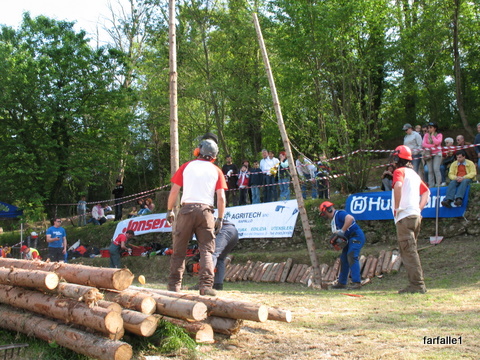
The agricultural fairs here in Italy tend to be more like the county fairs in the US. They focus on a particular theme and stick pretty close to it. For instance, we recently attended the Fiere del Bestiame e Agricultura in the Santa Maria section of Rapallo (Animal and Agriculture Fair).  It is a small fair, held along the banks of the Torrente San Maria, and it is always a delight. The big tree and shrub fair comes to Rapallo in January. This April fair is for buying chicks, ducks, turkeys, geese, goats and sheep; for buying flower plants; and for dreaming about a new piece of equipment for your farm. It also gives the local woodsmen a chance to compete in various wood-cutting skills, felling temporary trees and limbing downed trees (this is the only competition I’ve seen at an Italian fair yet).
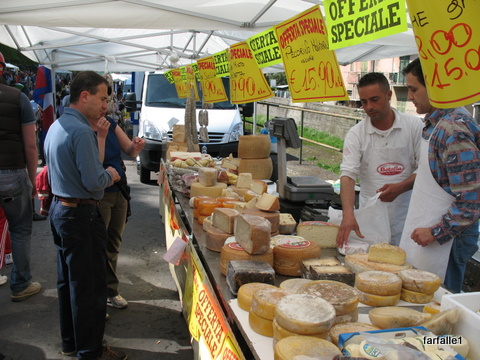
Like every fair in Italy there are also ‘bancarelle’ (stalls) selling food, fabric, hardware and jewelry.
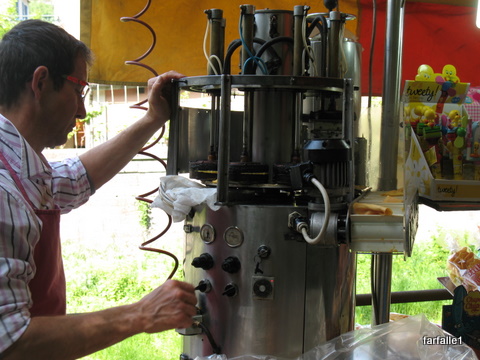
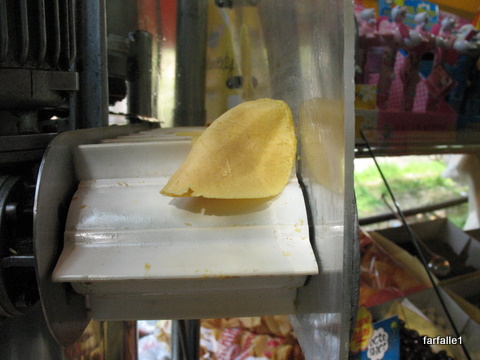
 One of our favorites is the man who sells a sweet wafer from Tuscany. The machine that makes the wafer is so complex, the product so simple. It reminds us a bit of an elaborate tortilla-press. Best of all, the vendor gives samples of his product, a delicate, slightly anise-flavored treat, Tuscany’s sweet answer to the potato chip.
I’m crazy about the animals. The goats and sheep always look like they’ve just heard a very good joke, but they’re not going to share it with you.
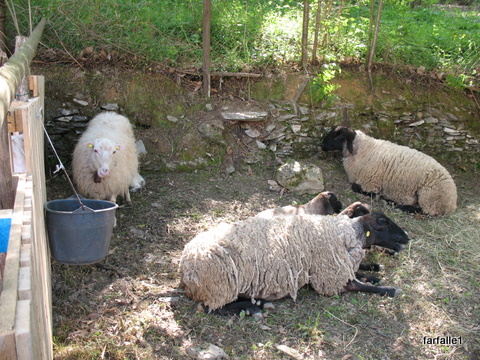
Some of the chickens look annoyed, especially those wearing feather skirts, and some simply look foolish. The bunnies are adorable, and are always mobbed by small children who want to pat them. Baby fowl of all ilk are sweet when they’re fuzzy, yellow and young. If you’d like to see photos of a few more of the animals, click here and select slide show. The one picture I wanted and didn’t get was of the bee-hive between two sheets of glass, so you can see the hive being built and all the bees buzzing around. Come to think of it, I saw a similar display the last time I visited the Addison County Fair in Vermont. Bloomin’ Onion, anyone?

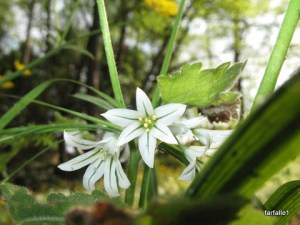
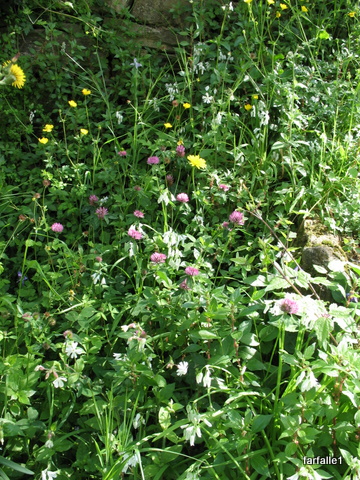
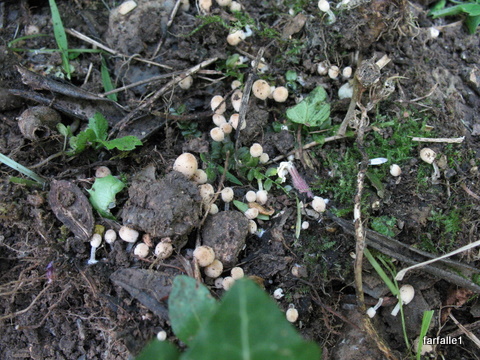

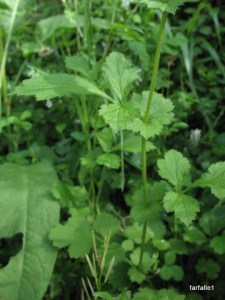 Working in the garden isn’t all sweet perfume and curious fauna. There is treachery hiding amongst the allium: the wretched stinging nettle. It looks innocuous enough, but touch it with your bare skin and you will get a prickly rash and a nasty stinging feeling that will last for ten or twenty minutes: not the end of the world, but something to watch out for.
 o the gate at the Questura, thrust our passports under the glass and were issued with two little slips of paper with the day (April 21), the time (10:00 a.m.) and the numbers of our appointments. Then we jogged back to the train station and just caught a train which, 40 minutes later, dropped us in Rapallo.
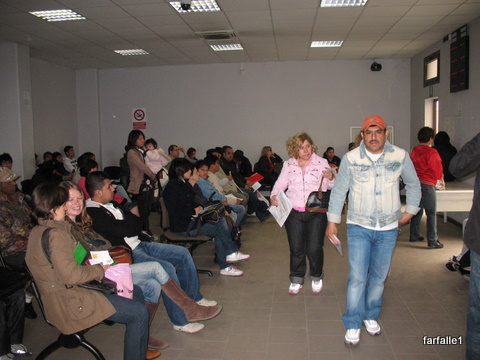 It’s a stuffy room at the best of times, so we prefer to wait outside where we can also keep an eye on the room to which we will eventually be summoned. That’s it on the right behind all the glass: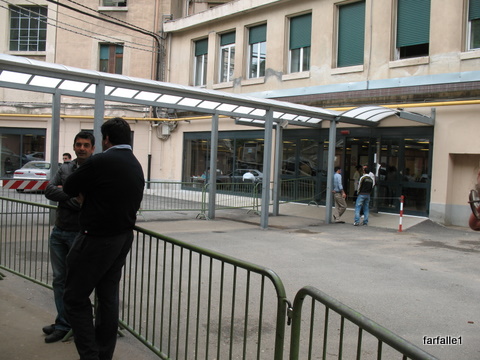


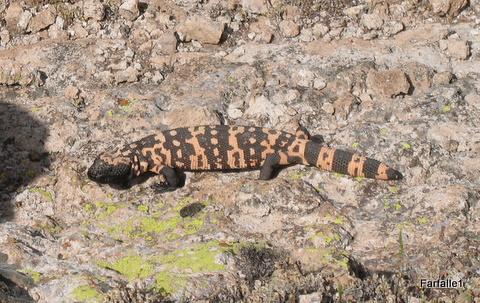
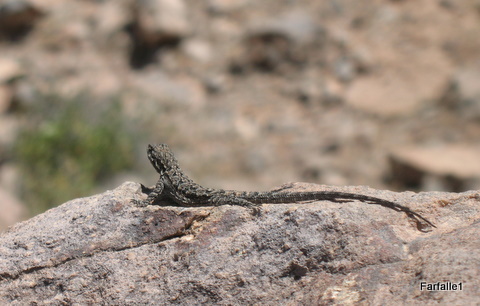

 It’s hard even to find him, isn’t it?