
Tags
Arizona garden pests, Food, garden, gardening, Gardening in Arizona, Growing tomatoes, nature, vegetables
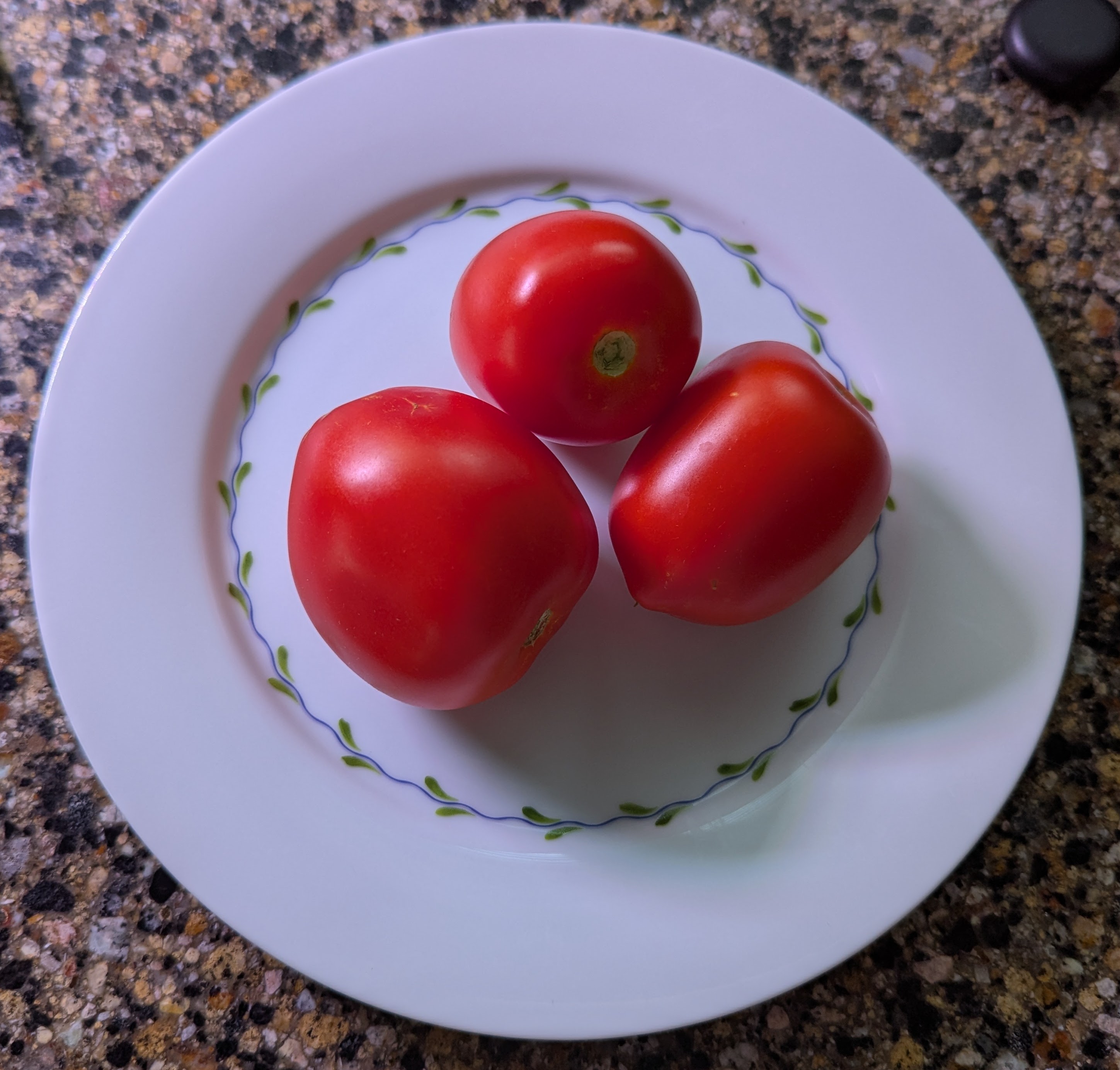
Would you pay $46.80 for a tomato? For a smallish Roma tomato? I, too, would have answered “No,” not so long ago. That was before I wandered into Costco a month or so ago and saw this:
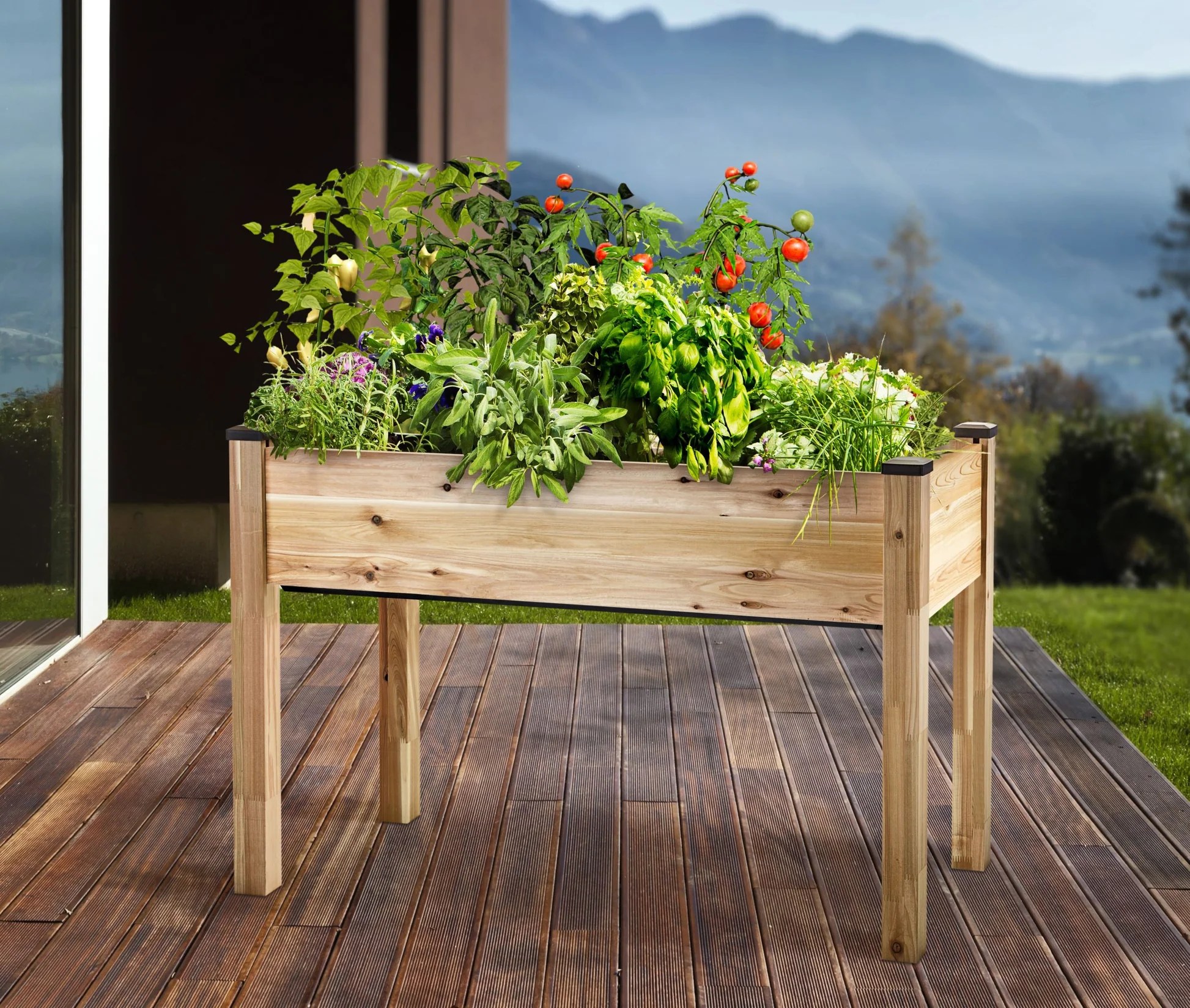
Oh all right, that’s not exactly what I saw. I saw a stack of flat boxes with images like the one above on the outside. It inflamed my imagination. Tomatoes! Fresh, homegrown tomatoes like we had in Connecticut and later in Italy. Big, succulent, sweet, juicy tomatoes. Caprese salad! BLTs!! Yay!!! So I humped one of the big boxes into my cart and brought it home.
I love to assemble things – some have called me the Queen of Ikea – and this planter went together like a dream (Costco sold it for considerably less, just in case you think I’ve completely lost my mind). All the pieces were there and they all fit together exactly as they should. So far, a total win. There followed an online order for potting soil (so many choices!) so I wouldn’t have to carry the heavy bags to the car; all that was lacking was plants. Speedy went off to… somewhere… and returned with 3 Big Boy plants, 3 Roma plants and a pepper plant. When I inquired what type of pepper it is, he replied, ‘hot,’ which is good – our favorite kind.
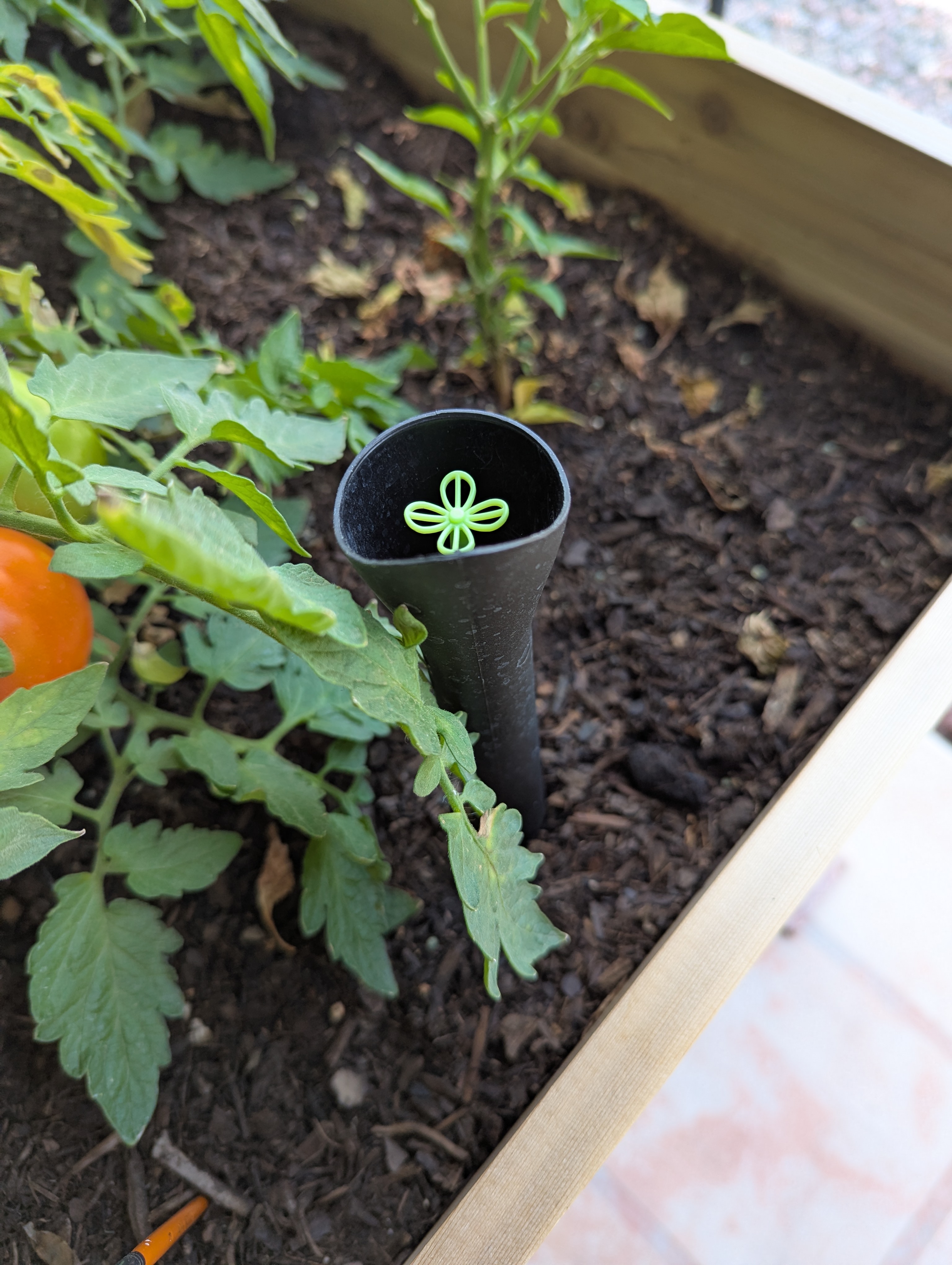
It was loads of fun to assemble everything and to plant our garden. The above item has a nifty watering system. There is a plastic reservoir – you can just see its black plastic bottom under the cedar box in the photo above – and there is a funnel that sticks up above the dirt and delivers added water to the reservoir below. A cheerful plastic flower floats in the funnel, when the flower sinks, it’s time to add more water.
Then began the hard part – waiting. I bought a pound of bacon in anticipation of delicious BLTs in the not-too-distant future. Amazingly, everything went as we hoped. The plants all survived, grew and flowered. Little tomatoes formed and became larger tomatoes, and began to blush. Oh boy.
Here’s something I didn’t know, because it was never a problem in our former gardens. Birds like to peck almost-ripe tomatoes, and once they do, the tomato is pretty much ruined. That happened. I left the victim on the bush:
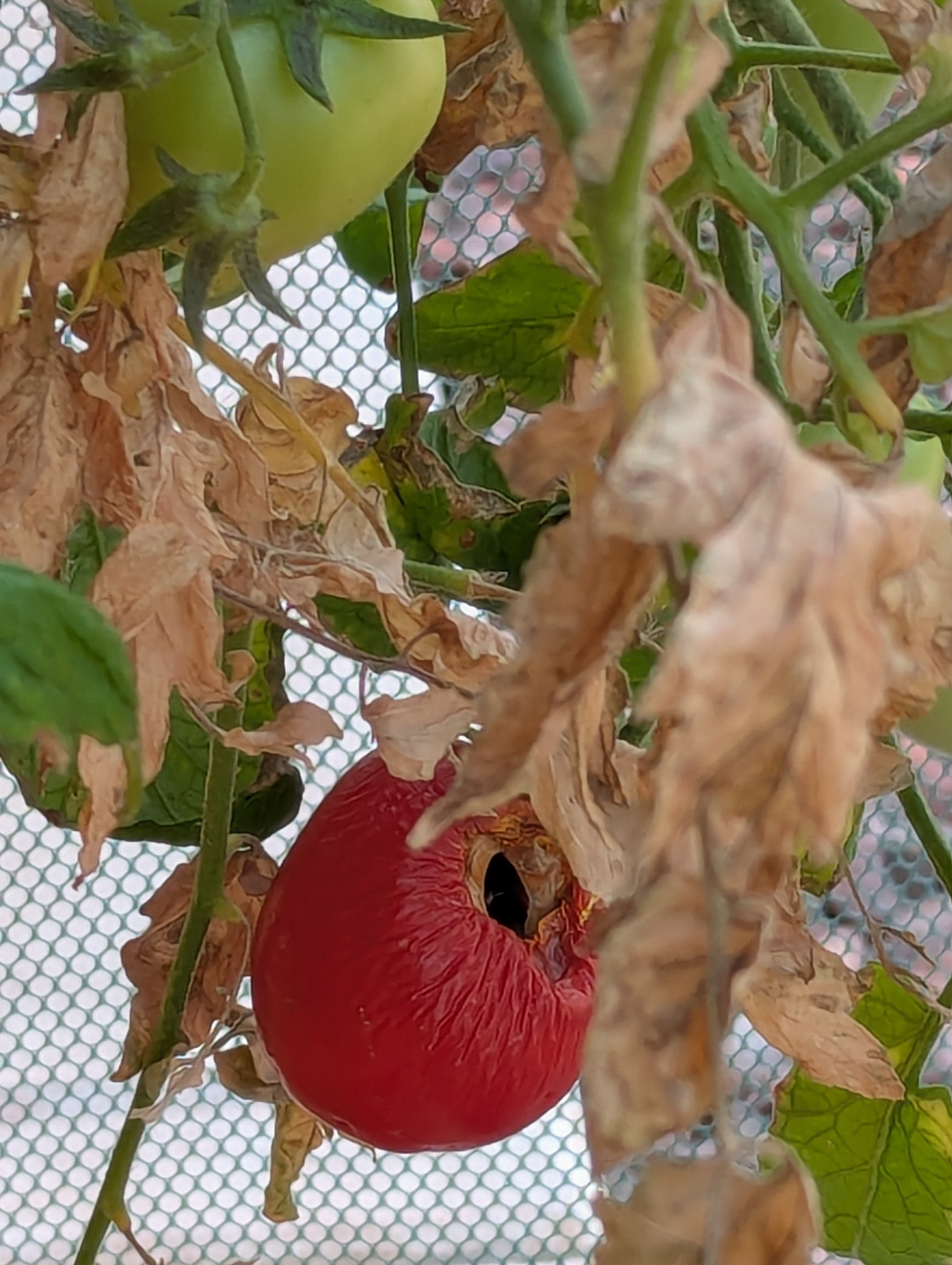
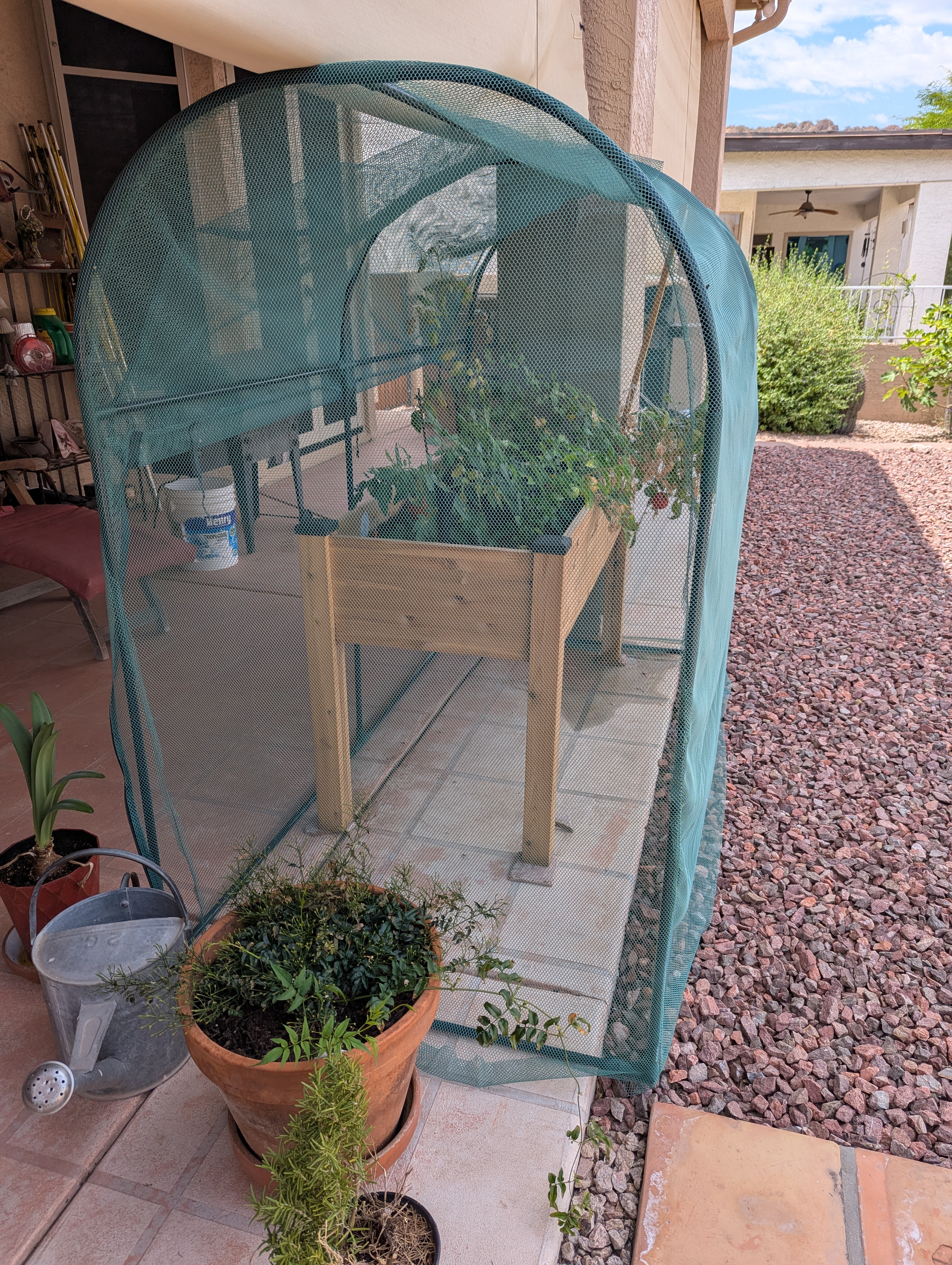
ugh. But there’s a solution to every problem, right? This one was a net house to keep the birds off the rest of our crop.
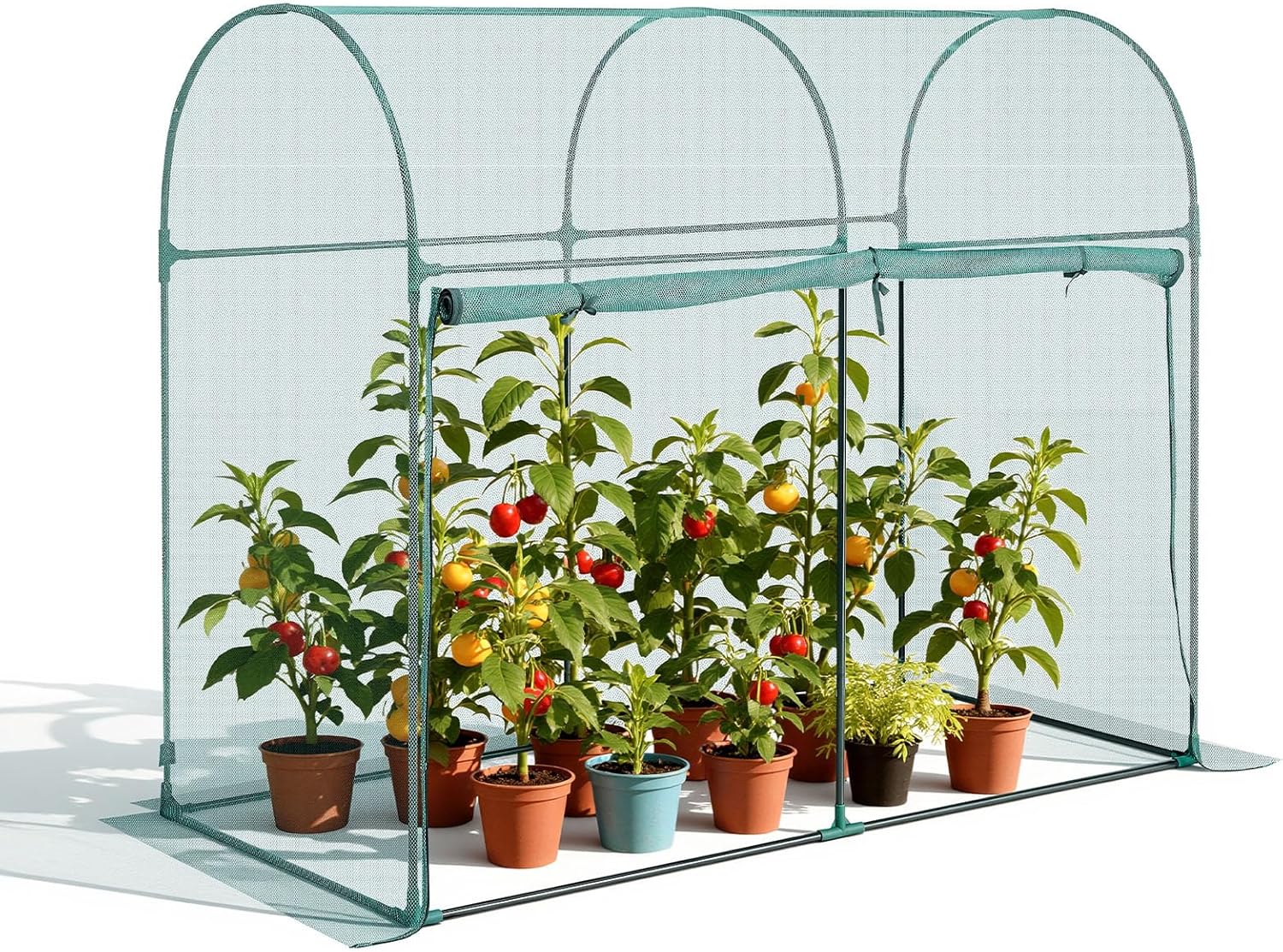
You can rest assured that if there’s a gardening mistake to be made, I will make it. This net is exactly what I wanted, but only 5′ tall. I am 5′ 7″ tall, so I have to crouch to get into the little house, and stay crouched while inside. Which is not the end of the world, but not ideal. Why did I not get a taller one, you ask? They were all too long for the space I had designated for the garden. Nonetheless, our precious crop was now safe from birds.
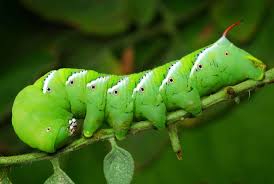
Have you ever heard of the tomato hornworm? I had not, but made the acquaintance of one the day after assembling and installing the net house over our garden. These critters (they are kind of appealing in a disturbing way, aren’t they?) come out of the soil, so thank you bags of soil. I’m glad I got only one, because one worm can denude an entire plant in just one night. That’s what happened to this plant:
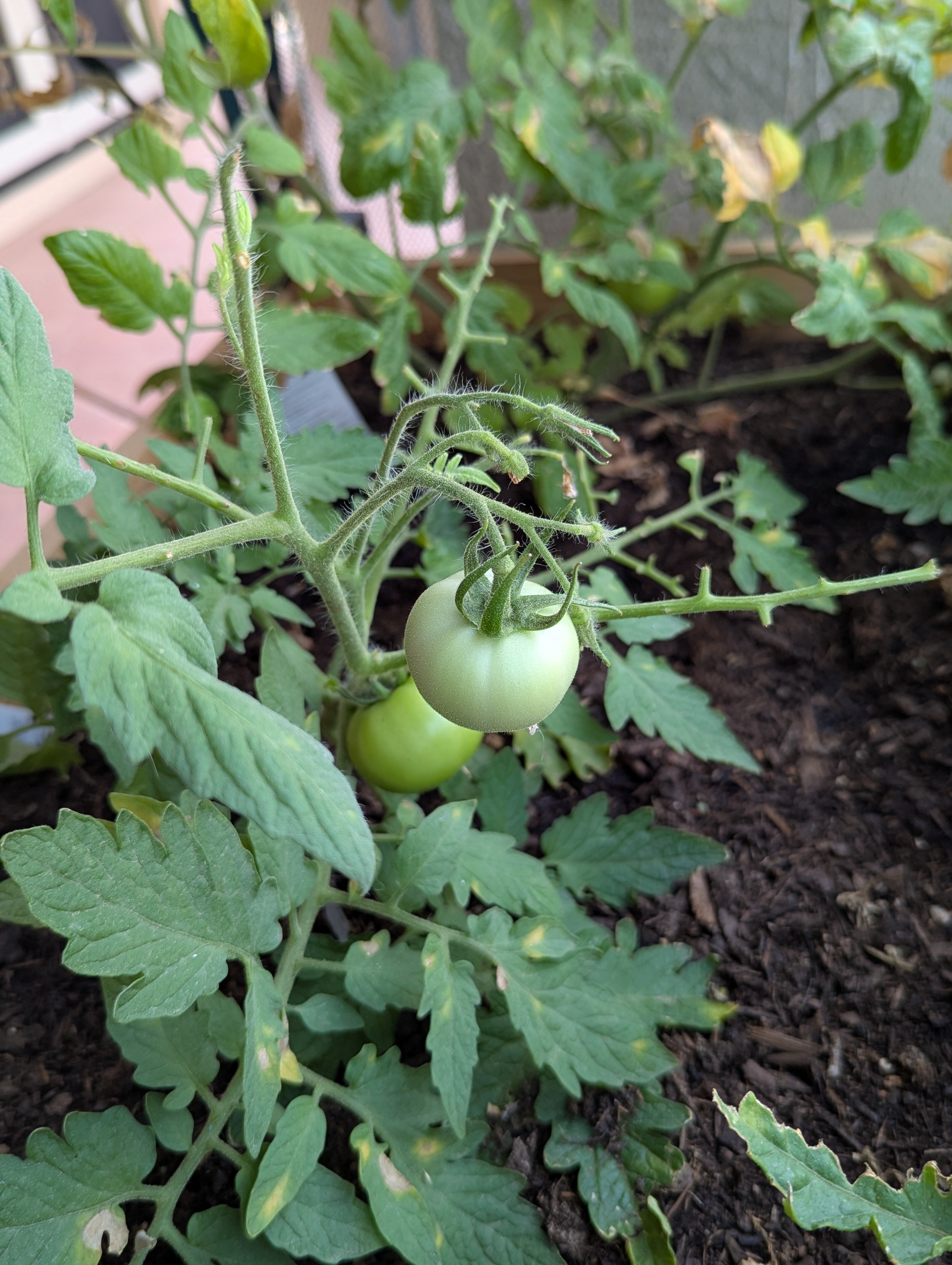
It doesn’t look so awful here, but it was pretty shocking to go out in the morning to admire our unpecked fruit and find one of the plants leafless on the top half. It didn’t take long to find and remove the culprit – I put him, and his stem and some leaves, under a bush. I think a bird ate him, although he can move at 9 mph so maybe he got a whiff of someone else’s tomato plant and headed in that direction. What would he have become?
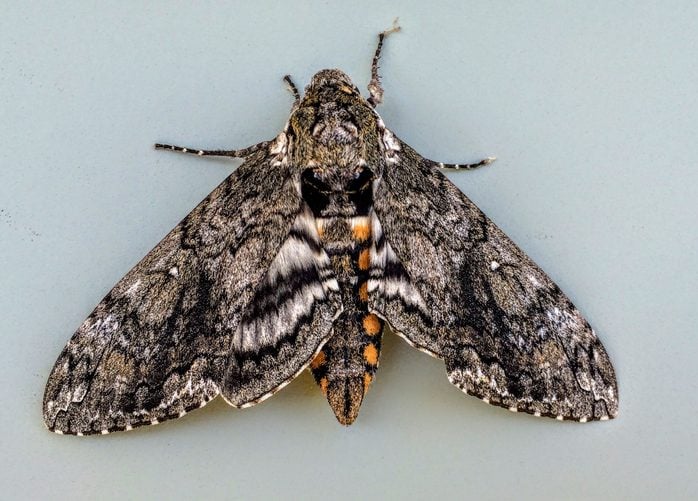
A five-spotted hawkmoth, that’s what. You can see where he gets his name. Evidently he is an important pollinator, sometimes mistaken for a hummingbird due to his large size (2-4″). I don’t care; he can’t have our tomatoes.
Then things kind of stalled while we waited for the remaining 20 tomatoes to mature (11 Roma, 9 Big Boys, of which 3 are medium Boys and 6 are very small Boys). We have waited in vain for even one pepper, in spite of numerous flowers. The tomatoes have produced more flowers, too, but none of those have made fruit. Turns out tomatoes are a bit fussy. To pollinate successfully they prefer temperatures at 60-75 F at night, and 60-90 F during the day. Our day temperatures are already higher than that.
The University of Arizona Extension Service recommends transplanting tomatoes from February-April. We were just at the tail end of that range, which probably affected our production. Peppers are on the same schedule and, like tomatoes, are in the nightshade family, so I haven’t a clue why we haven’t gotten a single one. Maybe the plant is lonely? I got wondering if pollinators could get into the garden with the netting in place, so every morning I open up the side of the netting away from where the birds gather. I also take a soft paintbrush and, making appropriate buzzing noises, go from flower to flower in an effort to assist pollination. No joy.
Like pretty much everything else, having a garden in Arizona is a completely different practice than having one in New England or Italy, those relatively humid, cool places. The schedule is different and the plants require more attention. It’s a challenge, but a fun one. I suspect planting cherry-sized tomatoes (next year! The gardener’s annual cry!) will be more successful.
So why do I think our tomatoes are so expensive, and are they worth it? I took the cost of the planter box, the dirt, the plants and the netting and divided it by the 5 tomatoes we have harvested thus far. If the other 20 survive and we can eat them, that will cut down the price per tomato by quite a bit. It’s still a better deal to buy them at the grocery store, but not nearly as much fun. To be honest, the taste has not been noteworthy, but store-bought have no flavor at all, so we are incrementally ahead, and yes, at the end of the day they are worth every penny.
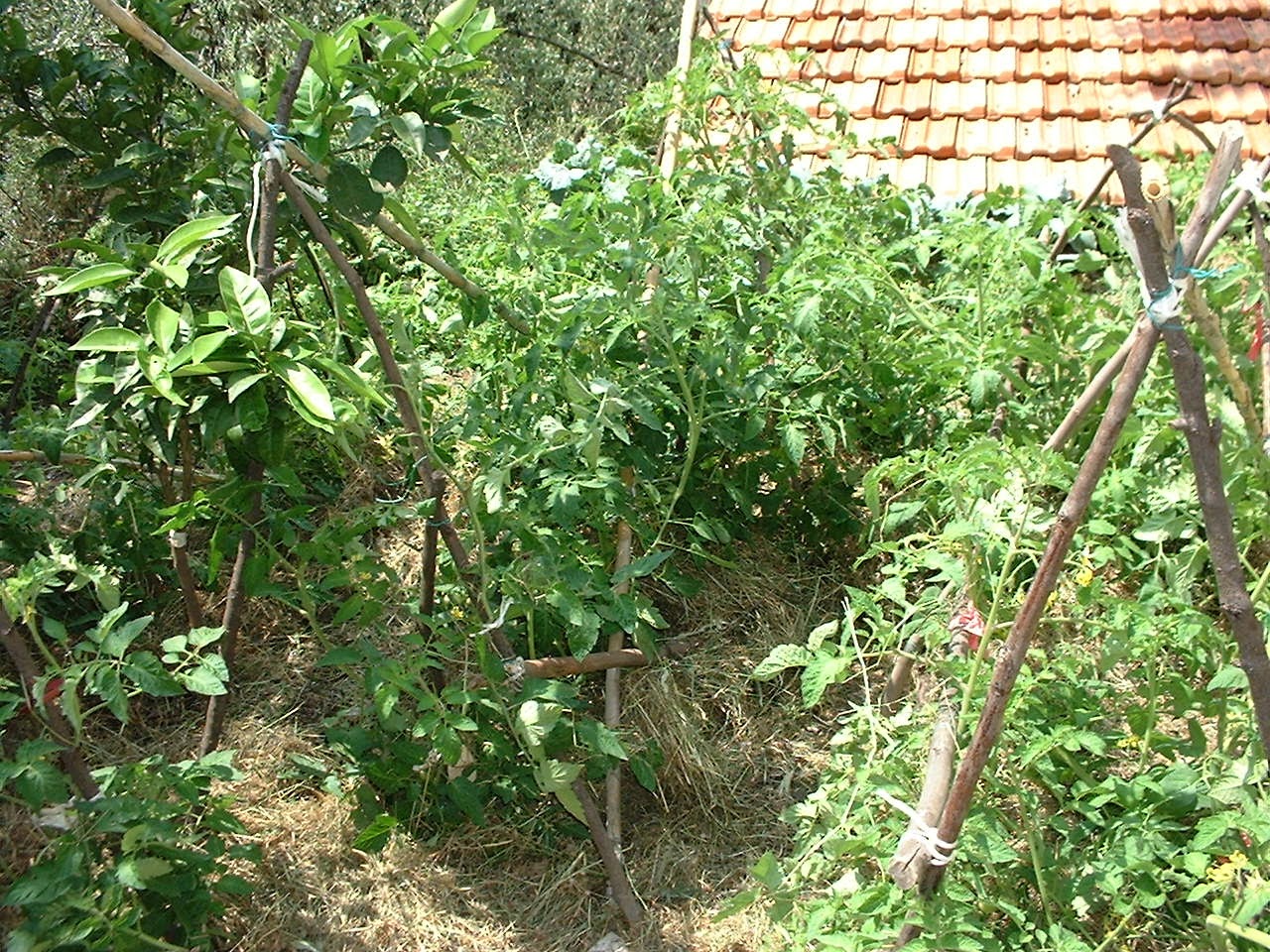
Growing tomatoes in Italy:
Growing tomatoes in Arizona
 An Ex-Expatriate
The last two pictures are worth more than a thousand words! In both cases it’s clear that no effort has been spared to nurture your nightshades. I do hope that the average cost per fruit will be lowered by at least a few more tomatoes. If not, you have done a marvelous job of preparing yourself for next year’s crop and have likely amused at least a few bees with your procreative efforts. 🐝 💗
I don’t know about the bees – they seem pretty enamored with the fairy dusters. But I was sufficiently amused, so that’s good.
What a delightful entry! You have the patience of Job and the determination of Sisyphus. Also the gardening gene of our mother! I have two small cherry tomato plants at the back of the side garden being protected by two robust basil plants. I am unable to grow large tomatoes – the dreaded cedar blight gets them no matter where I put them. We’re still enjoying coolish weather and thankfully have had enough monsoon rain despite most of it running off the surface of the ground. 😻
Thanks, dearie. It’s all just good fun. We would be in sorry straits if we had to depend on the garden for our food!