• Contact
  • Elaborations
    • A Policeman’s View
    • Driving School Diary
    • Great Danes
    • IVA charged on Tassa Rifiuti
    • Nana
    • Old trains and Old weekends
    • The peasant, the virgin, the spring and the ikon
    • Will Someone Please, Please Take Me to Scotland??
  • Recipes
    • ‘Mbriulata
    • *Baked Barley and Mushroom Casserole*
    • *Captain’s Boston Baked Beans*
    • *Cherry Tart*
    • *Crimson Pie*
    • *Louise’s Birthday Cake*
    • *Melanzane alla Parmigiana* – Eggplant Parmesan
    • *Penne with Cabbage and Cream
    • *Pizzoccheri della Valtellina*
    • *Pumpkin Ice Cream*
    • *Risotto alla Bolognese*
    • *Rolled Stuffed Pork Roast* on the rotisserie
    • *Shrimp and Crayfish Tail Soup*
    • *Spezzatino di Vitello*
    • *Stuffed Grape Leaves*
    • *Swordfish with Salsa Cruda*
    • *Tagliarini with Porcini Mushrooms*
    • *Tagliatelli al Frutti di Mare*
    • *Tzatziki*
    • 10th Tee Apricot Bars
    • Adriana’s Fruit Torta
    • Artichoke Parmigiano Dip
    • Best Brownies in the World
    • Clafoutis
    • Cod the Way Sniven Likes It
    • Cold Cucumber Soup
    • Crispy Tortillas with Pork and Beans
    • Easy spring or summer pasta
    • Fagioli all’ucelleto
    • Fish in the Ligurian Style
    • Hilary’s Spicy Rain Forest Chop
    • Insalata Caprese
    • Kumquat and Cherry Upside Down Cake
    • Lasagna Al Forno con Sugo Rosato e Formaggi
    • Lemon Meringue Pie
    • Leo’s Bagna Cauda
    • Leo’s Mother’s Stuffed Eggs
    • Louis’s Apricot Chutney
    • Mom’s Sicilian Bruschetta
    • No-Knead Bread (almost)
    • Nonna Salamone’s Famous Christmas Cookies
    • Pan-fried Noodles, with Duck, Ginger, Garlic and Scallions
    • Pesto
    • Pesto
    • Pickle Relish
    • Poached Pears
    • Polenta Cuncia
    • Pumpkin Sformato with Fonduta and Frisee
    • Rustic Hearth Bread
    • Sicilian Salad
    • Soused Hog’s Face
    • Spotted Dick
    • Swedish Tea Wreaths
    • The Captain’s Salsa Cruda
    • Tomato Aspic
    • Vongerichten’s Spice-Rubbed Chicken with Kumquat-Lemongrass Dressing
    • Winter Squash or Pumpkin Gratin
    • Zucchini Raita

An Ex-Expatriate

~ and what she saw

An Ex-Expatriate

Category Archives: Uncategorized

Il Giro

01 Sunday Jun 2014

Posted by farfalle1 in Alps, Piemonte, Sports in Italy, Uncategorized

≈ 6 Comments

Tags

Bicycle racing, Giro d'Italia

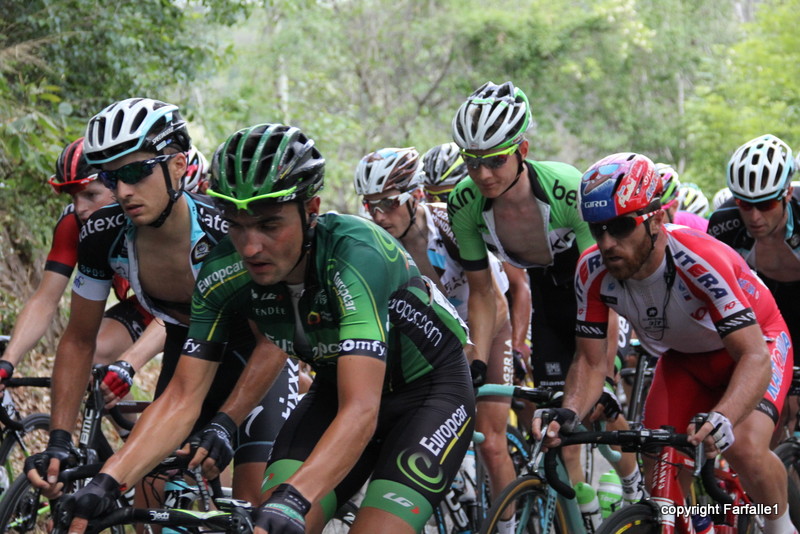
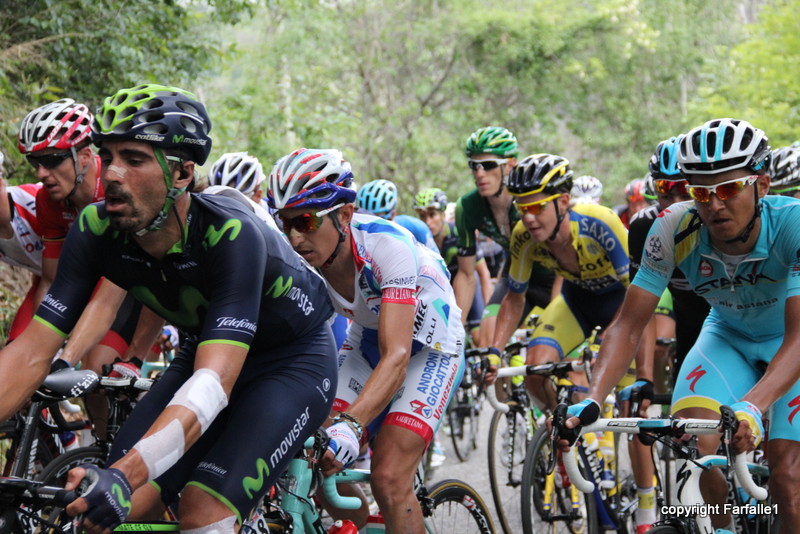
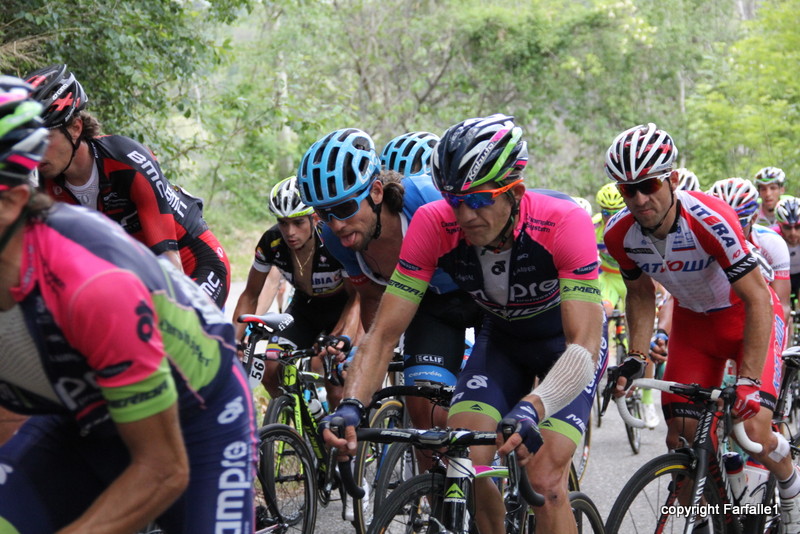
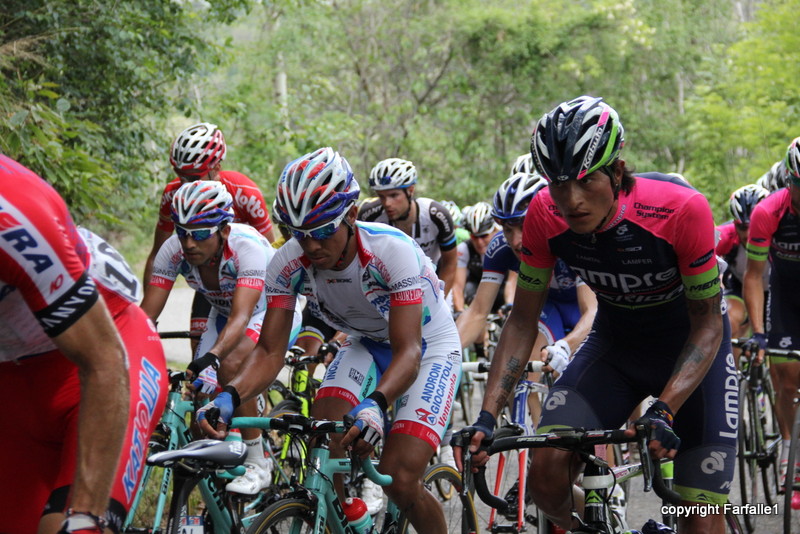
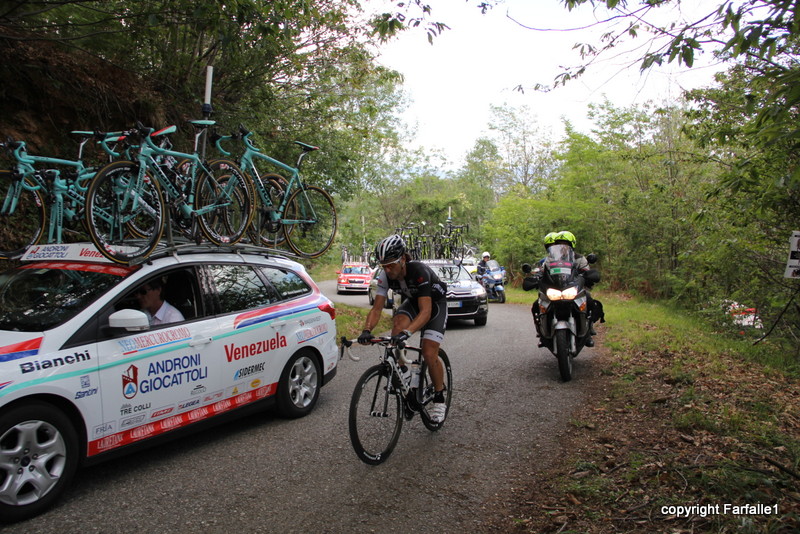
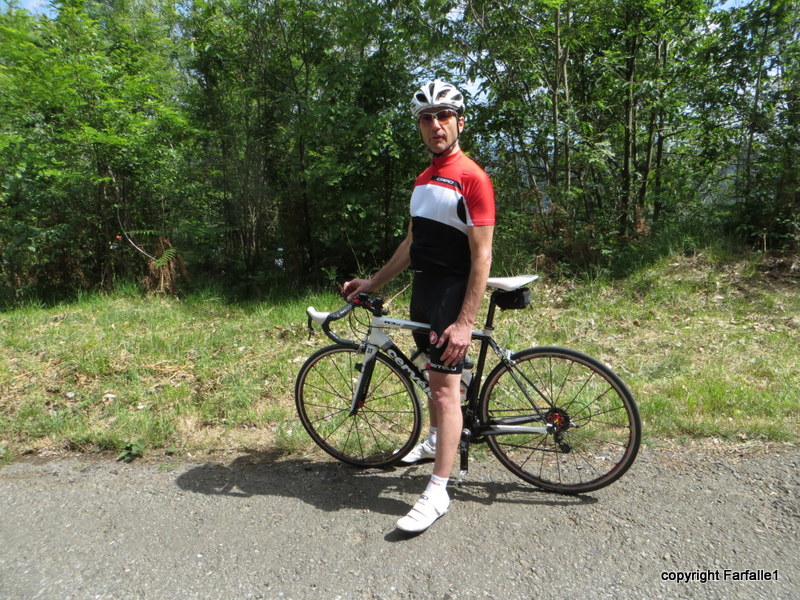
richard and his bike-002Meet Richard, a friend from the U.S. who is passionate about bike riding – to the point that he brought his bike to Italy from the States to ride some of the routes the professionals would be riding only days later in the Giro d’Italia. The Giro is a staged bike race that takes place over, usually, 21 days, across plains and over Alps. It is a part of the Grand Tour of Bicycle Racing, along with the Tour de France and the Vuelta a’ Espana. The race has a long and interesting history; the first race was run in 1909, and was started by the Gazzatta dello Sport, a newspaper printed on pink paper, which accounts for pink being the official color of the race. There are various classifications within the race: General, Mountain (for climbing experts, blue jersey), Points (for sprinters, red jersey), Young Rider (under 25 years, white jersey) and Team (covered with logos jerseys).  Points are awarded each day in each classification. The cyclist who wins the General classification each day (that is, with the lowest aggregate time) gets to wear the famous Pink Jersey the next day. The overall winner of the race is the person who wins the total General classification.

As luck would have it, the 14th day of the Giro passed through the town where our friend Leo lives in Piemonte (frequent readers of this blog will have met Leo through his recipe for Bagna Cauda and his mother’s stuffed eggs. He was also instrumental in procuring the materials for Speedy’s tandoor.)  Anyway… Leo knows people, and he was able to get a pass that allowed us to drive up one of the steep mountain roads to the little town of Caprile whence we could watch the Giro pass by at speeds where you can actually see the athletes. On the flats, as in Rapallo several years ago, they tend to be a blur. Here’s the route of day 14:
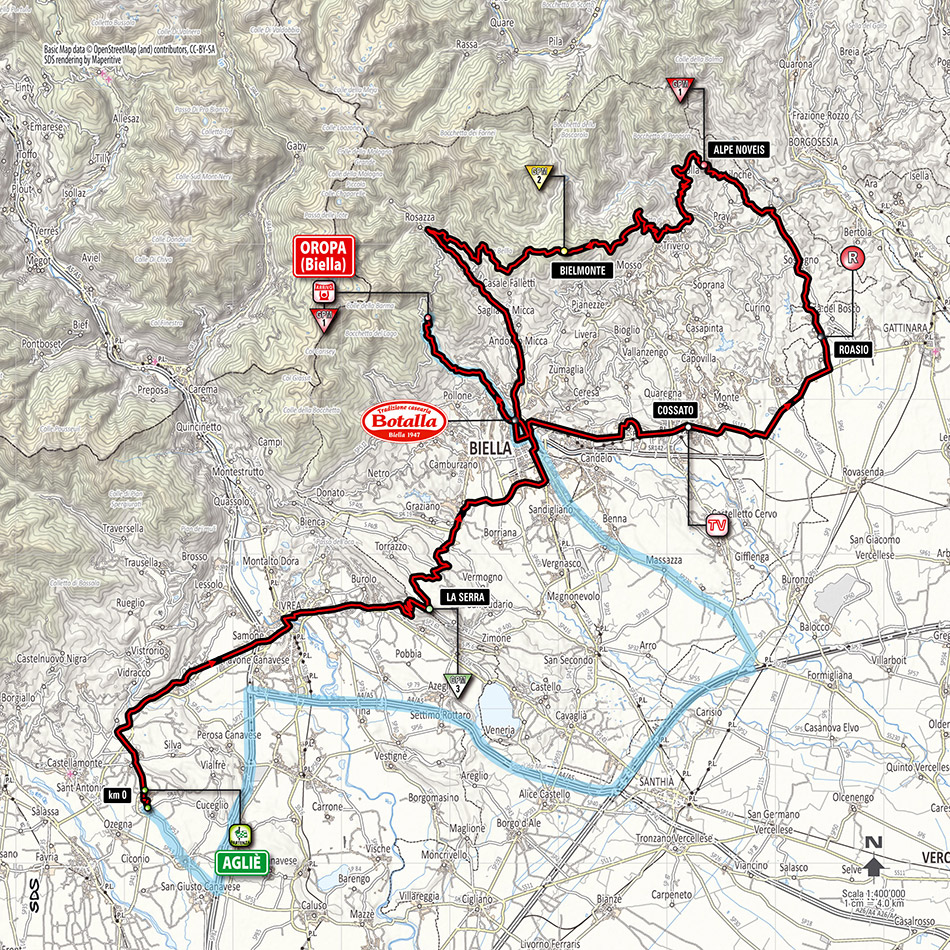
giro 14th day

Rated amongst the most difficult stages of the race this year, it’s a grinding 164 Kilometers (102 miles), beginning at an altitude of 315 meters (1,033 feet) in Aglie, climbing to Alpe Noveis at 1110 meters (3,642 feet), descending back down to Biella at 420 meters (1,378 feet) and finishing at Oropa, a large Catholic devotional complex, at 1110 meters (3,937 feet). Alpe Noveis has figured prominently in the outcomes of several Giri as it presents riders with some very difficult climbing challenges. Richard rode up there from Leo’s house in Sostegno (!) – we drove and parked in Caprile, then walked about 2 km up the road to a good vantage point.

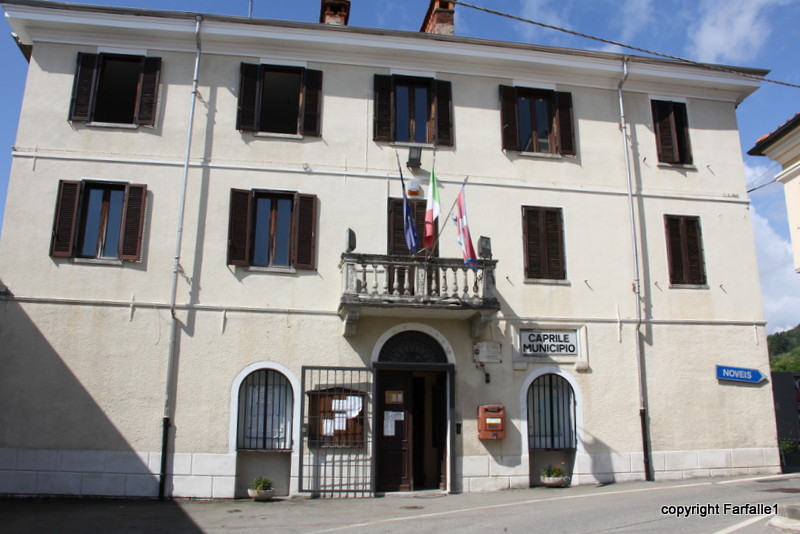
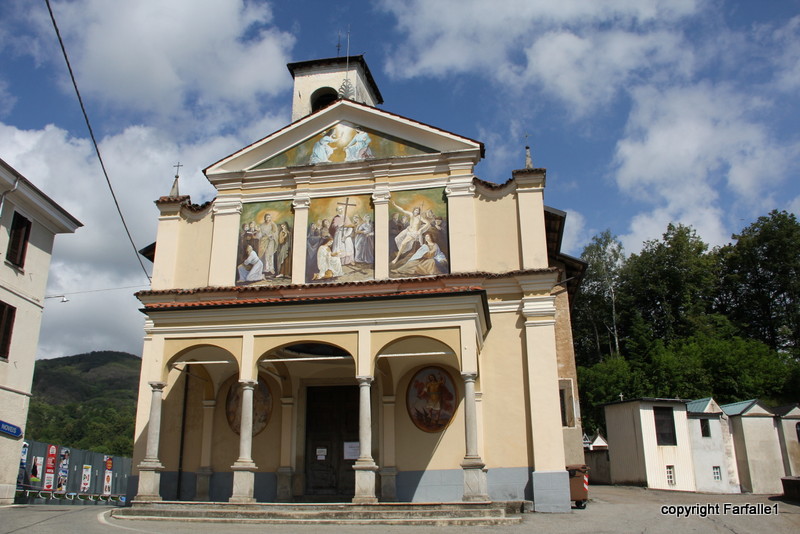
Here’s the pretty church in Caprile where we parked. The Municipal building, source of our all-important pass, is on the left.caprile church-001 caprile municipio-001
All along the race route there were pink balloons, pink signs, pink bows.
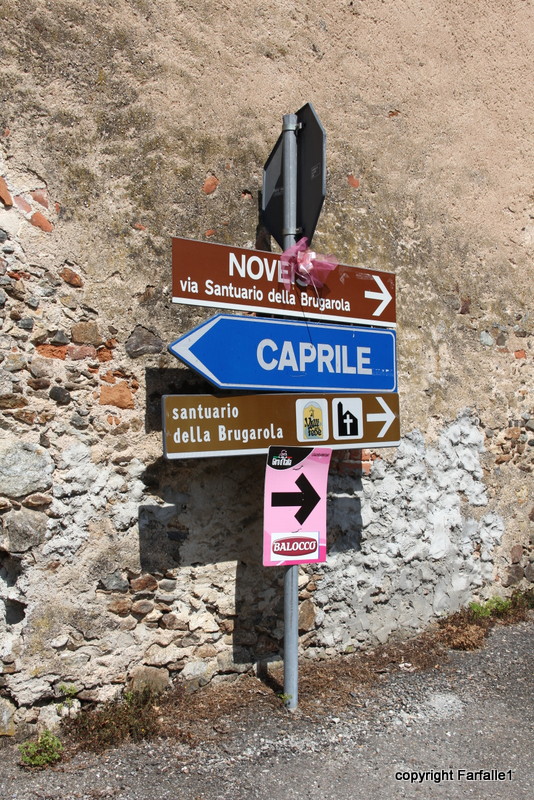
signs It wouldn’t be an event in Italy without a food stand. On our short walk we passed two, of which this was the smaller and better decorated.food stand A sign on the church roof?  Yes! There were two helicopters in constant attendance on the race providing real-time non-stop television coverage. They flew quite low, and I’m sure Caprile’s cheerful welcome was quite legible to those on board. The sign reads, Caprile greets (welcomes) The Giro.welcome banner for the helicopters
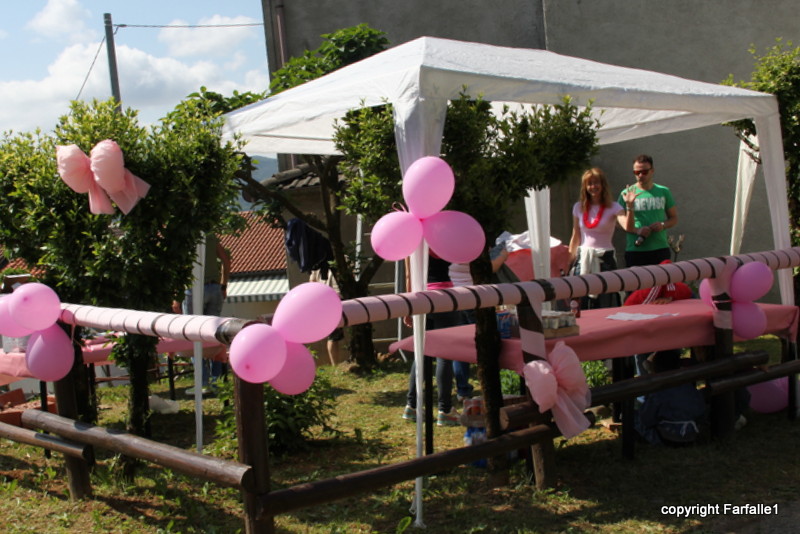
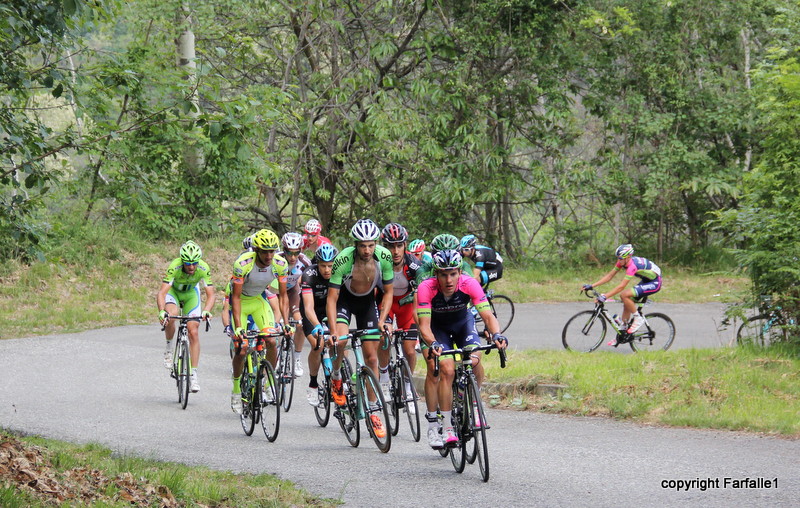
We got to our viewing spot about 11 a.m.; the race was due to pass at about 1:30. Somehow, with a picnic and lots of other race viewers, the time passed quickly. Bike riding is wildly popular in Italy. We frequently see cyclists pumping up the steep hill outside our house, all dressed in spandex so they look like bees, chatting away comfortably, as if a steep ascent were the easiest thing in the world to do.  Many cyclists, like our friend Richard, like to ride sections of the Giro before the actual race. Here are just a few of the literally hundreds that rode past us:

more bikersYou might notice they’re using the whole road. It’s not just because it’s race day and the road is closed to traffic. Here in Italy bicycle riders take whatever part of the road they need, and if it happens to be your whole lane, then you just have to trail behind them until there’s a place to pass. Can you imagine what would happen in the U.S. to bicyclists with habits like that? Honk!! Splat!!!

As the hour approached the excitement level grew. We could hear the blades of the helicopters thumping in the distance, and suddenly there were no more amateur riders, only official seeming cars and motorbikes.

At Last! The car that announced the beginning of the race!
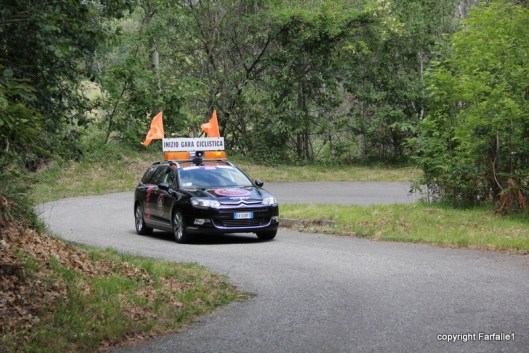
Inizio gara ciclistica

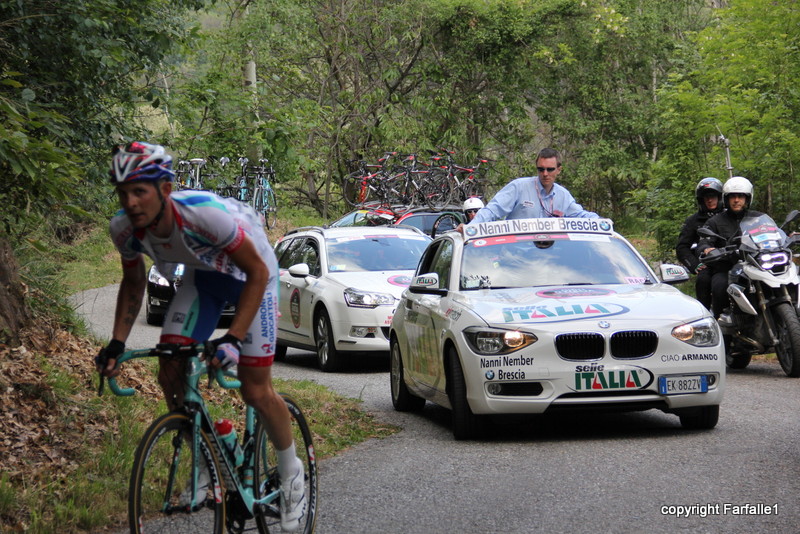
But they were just kidding. In fact, they really did make an announcement over the loud-speaker to say the race would be along in 9 minutes. In the meantime we were entertained by a continuing parade of support vehicles, an ambulance, police in cars and on motorcycles and other officials on motorcycles.
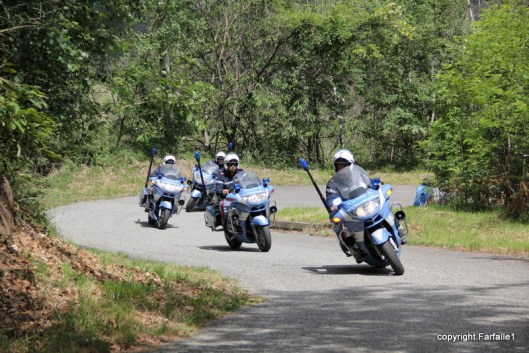
police-001

And then, suddenly, there they were:

the first group of cyclists-002

Notice the guy standing up on the back of the last motorcycle?  He’s one of the cameramen from RAI, the state TV broadcaster. Now we understand how they get such amazing coverage of the riders.the first group of cyclists-006
the first group of cyclists-012

the first group of cyclists-016 the first group of cyclists-025

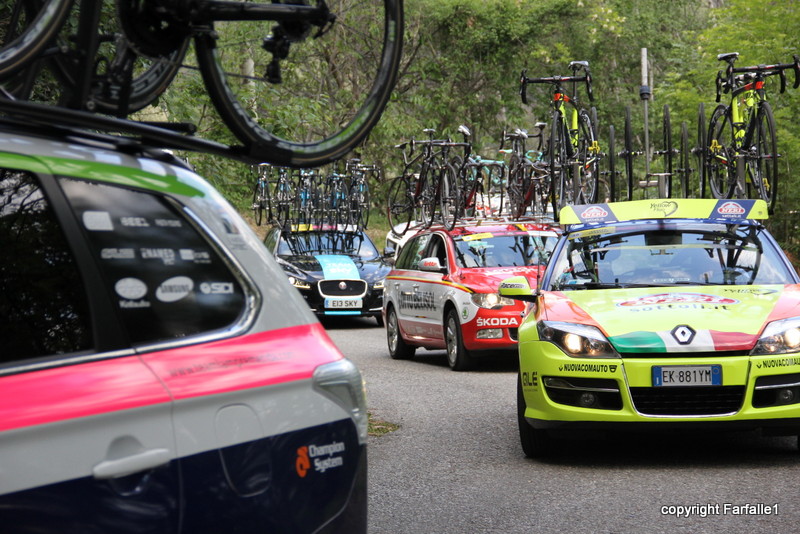
the first group of cyclists-021 the first group of cyclists-030 And then they were past, followed by a huge number of support vehicles, another ambulance, medical support, bikes, tires – what a lot of stuff and personnel it takes to keep the race going. Just the number of spare bikes is mind boggling.spare bikes between groups belgium spare bikes between groups a jungle of bikes
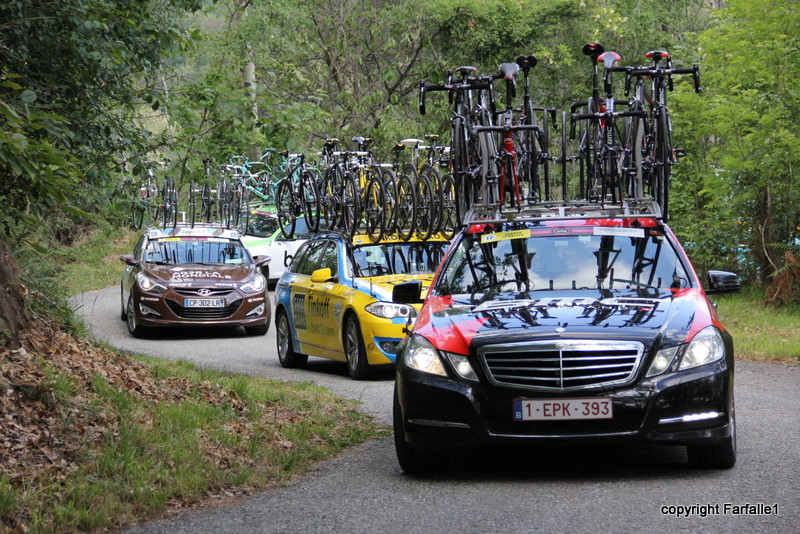
Turns out that wasn’t the end of the race by any means, though. That was just the first group of riders, the leaders. In all the hub-bub of support vehicles there was another car with a loud-speaker that announced the rest of the race would arrive in 4 minutes. Great excitement! More police cars, more officials on motorcycles, more cars carrying bikes and tires. Then here they came, a much larger group this time:
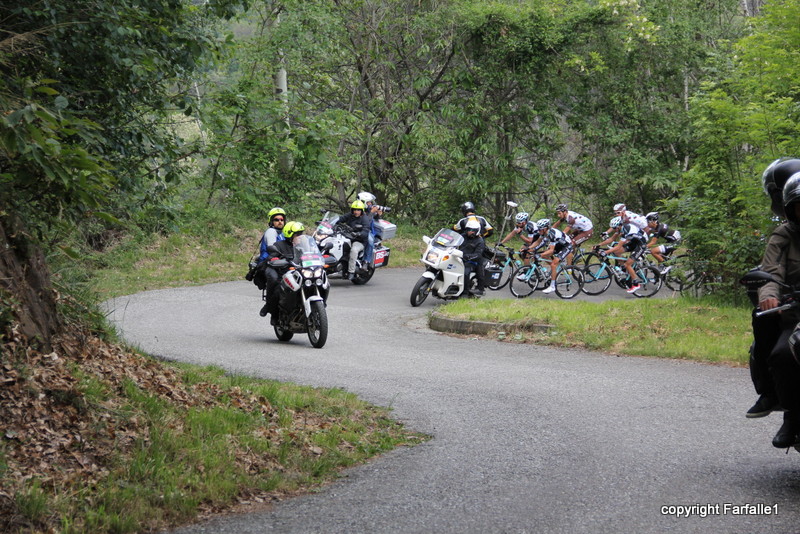
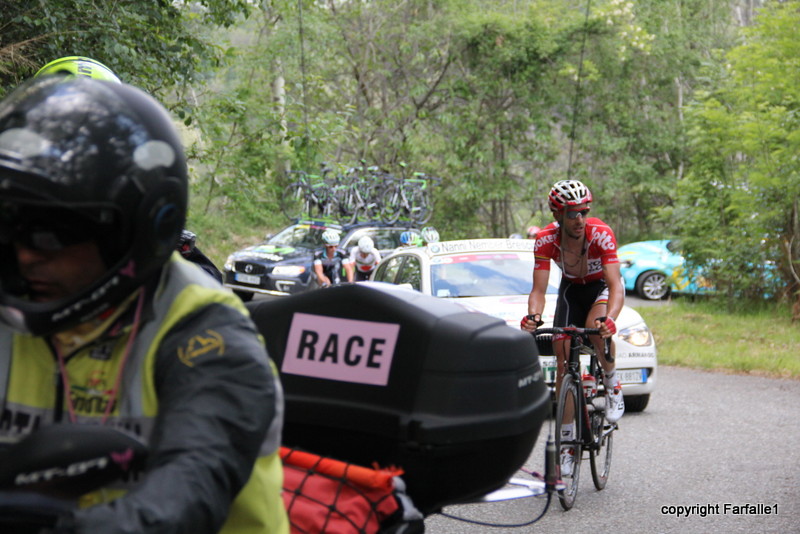
Second group arrives second group a lot of them-001 second group-006 second group-011 second group-016 second group-018 Here are two things that really struck me. One was how very close we could get to the race participants. We could have reached out and touched them; that gave an immediacy and a thrill to the undertaking that one would never experience from, say, the bleachers at a baseball game. The other thing that amazed me was that support cars, police and all manner of other traffic came along well before the last racer had passed. Those near the end of the race (and I won’t call them ‘stragglers’ because no one who can ride up those mountains is a straggler) really had to negotiate motorized traffic. Seems a bit hard on them. Or on most of them; this man looked like he was out for a Saturday afternoon pleasure ride.this guy looks pretty relaxed IMG_1049 Then, all at once, it really was the end of the race. The sound of the helicopters faded, the same people we had watched trudging up the hill began to reappear on their way down. At last - Fine gara ciclisticaAt dinner at Leo’s that evening we were all recounting the day’s adventures to Isa, who had a quiet day at home. She suddenly remembered something, a drawing hanging on the their wall-of-a-hundred drawings in the hall:
winner of the first giro d'italia

It is a portrait of Luigi Ganna, the winner of the first Giro d’Italia in 1909, drawn by an artist who lived in Sostegno. That year there were 127 cyclists in the race, and, I’m guessing, a lot fewer support vehicles, though this photo of Ganna suggests there was at least one:
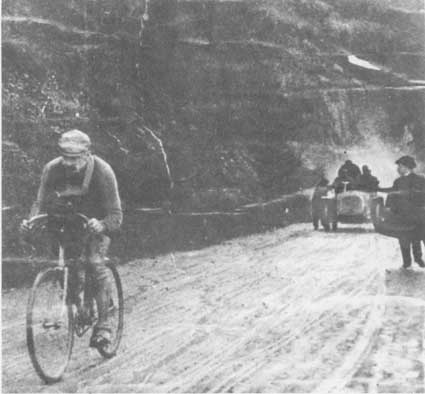
Photo courtese of velovelovelo.com

Photo courtesy of velovelovelo.com                           –

This year there were 22 teams of 9 each, 198 racers and they all wore helmets instead of snap-brimmed hats. When I see photos like the one above I always wonder: in a hundred years will we all look as quaint and old-fashioned to our great-great-grandchildren as these people do to us today?

(If you want to see way too many more photographs of the racers and the general environs, click here.)
Learning Something New Every Day

18 Sunday May 2014

Posted by farfalle1 in Italian history, Italy, Rapallo, Uncategorized

≈ 6 Comments

Tags

Cute puppy, Porto delle Saline, Rapallo history, Rapallo's gates

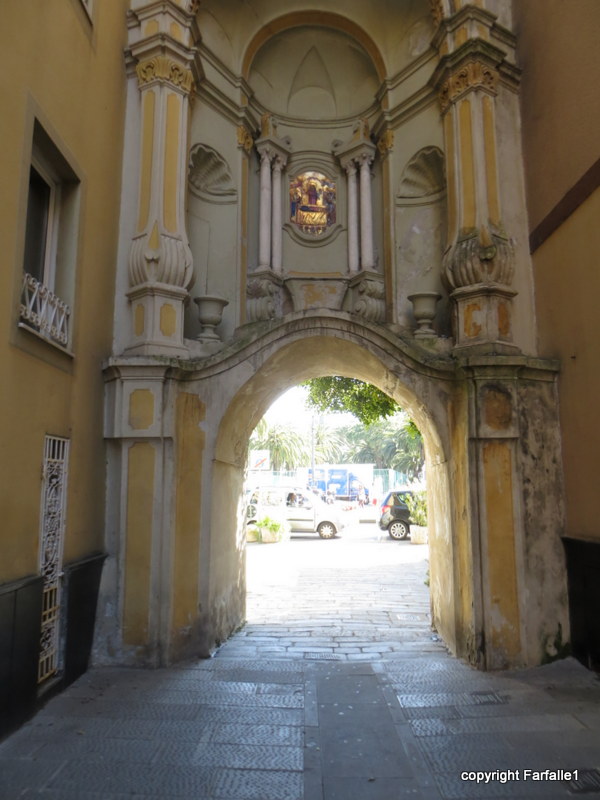
I suppose it’s like living in New York for ten years and suddenly learning the history of the Empire State Building. How many times have Speedy and I walked through or past this gate? More than we can count.

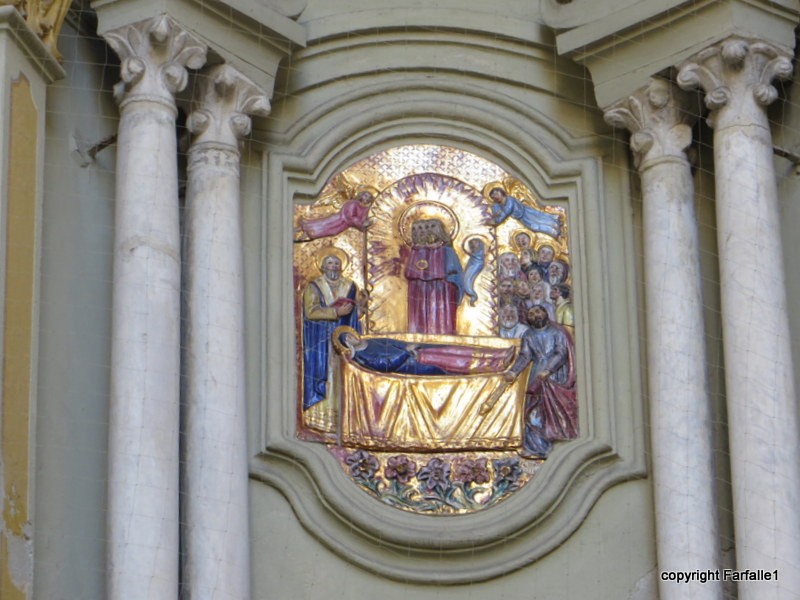
Rapallo Porto delle salineIt is the so-called Porto delle Saline, and is the only one of five original gates into the once-walled Rapallo that is still in existence.  Obviously it didn’t look much like this in the mid-1200’s when written reference to it was first made. It’s been tarted up quite a bit, as can be seen in the Baroque detail above the ornate arch. That is a reproduction of the painting of Our Lady of Montallegro, the important pilgrim church at the top of one of the hills behind Rapallo (you can read the fascinating history of the church and its ikon here).

porto delle saline detail

Back when Rapallo was walled and still had five gates, the Doria family from Genova held a monopoly on salt production in the area. The great pans in which they evaporated salt from the sea were just outside this gate – hence the name, which means Salt Port.

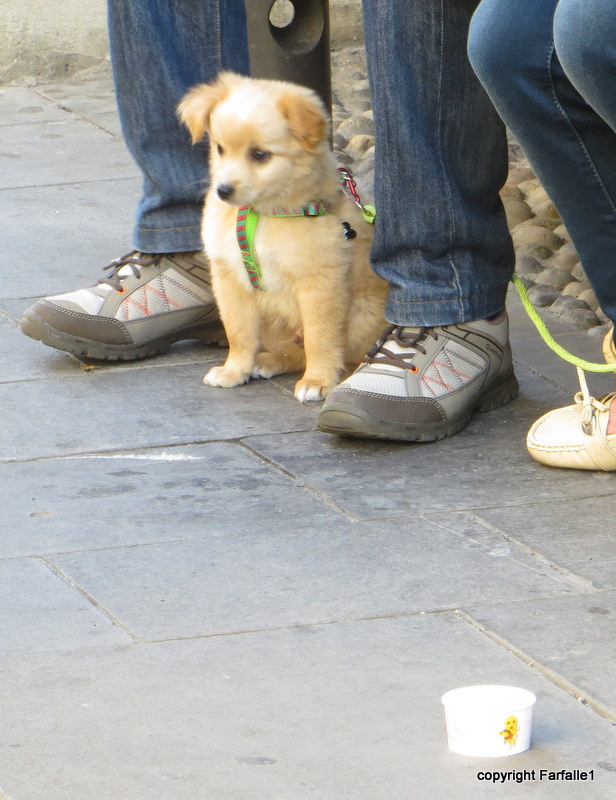
I finally learned this little bit of Rapallo’s history today during a delightful passagiata with visiting family. Although I felt foolish for not knowing the story before, I’m very glad to know it now. It was a splendid day in every way, and even had an appropriate moment of doggy cuteness. I was too slow to capture this little puppy eating the ice cream from his cup, but quick enough to catch him wondering if there was any way to get some more.

littlel pup and his ice cream cup

A Short Travelogue

11 Sunday May 2014

Posted by farfalle1 in Travel, Uncategorized

≈ 16 Comments

Tags

Adam, Adam Opel, German food, Russelsheim

Last week we took a leisurely trip from Arizona back home to Italy – if any travel these days can be called ‘leisurely’ which, according to me, it cannot. In any event, with the help of good friends at both ends we were able to complete our travels in a mere four days.

But wait – before telling you about it, I want to give a shout out to Lufthansa Airlines.  While American Airlines is always our airline of choice (and those who know us understand why), we were given some exceptional service by Lufthansa, and not for the first time. After checking our two bags for a pair of flights from Frankfurt, Germany, to Pisa, Italy, via Munich, we discovered going through security that we would have to check one of our backpacks as well (it was the good German tinned meat and mustard that did us in). In our haste we forgot to mention to the agent that the backpack was also to go on from Munich to Pisa. Whether it was an agent or ‘the system’ we don’t really know, but the backpack arrived in Pisa with our other two bags – which I find completely amazing, as we had never mentioned it was to go beyond Munich. What a relief, as it contained many of my important items.

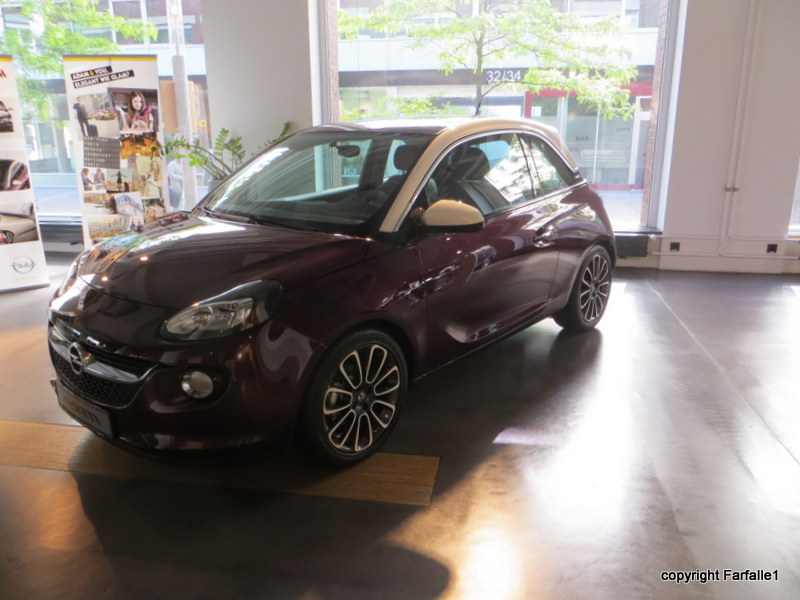
Anyway, after enjoying stellar company on the crossing from Dallas-Fort Worth to Frankfurt, we took a short train ride to nearby Russelsheim where we had booked a room at the Arona Hotel. Russelsheim is best known for being the home of Adam Opel auto manufacturing, founded in 1862, which, since the 1930’s, has been a part of General Motors.

Russelsheim Mr. Opel and his factory

There is a small showroom just down the street from this statue of Adam Opel where you can learn the history of the car-maker and see some cars, both old and new.

Russelsheim old opel


Russelsheim  new opel

Above is the Adam model, and it’s cute as a button. If you’re interested in a short video showing present-day Opel construction, you can see it here – I especially like the paint bath.

A less savory part of the town’s past is known as the “Russelsheim Massacre.” In August, 1944, townspeople mistook eight American prisoners, taken when their B24 Liberator was shot down near Hanover, for the Canadians who had carpet-bombed Russelsheim the night before. The Americans were being transported to a POW camp and had to walk through town to get from one train to another. Angry townspeople lined the streets as the Americans were marched through, and two women began to scream “Tear them to pieces! Beat them to death!” In spite of one of the airmen saying, in German, “It wasn’t us!” some citizens answered the angry call, attacking the airmen with sticks, shovels, hammers, stones and iron bars. Six of the airmen were executed by an armed air-raid warden who lined them up and shot them after they were beaten nearly to death. He had only six bullets; the last two men were able to drag themselves to the River Main when an air-raid siren sounded, sending the mob to shelters. They were recaptured in a few days and taken to the POW camp.

The perpetrators of the massacre were brought to trial in 1945 when the atrocity came to light. Eventually six townspeople were hanged; the two women who instigated the riot were given thirty-year prison terms. Interestingly, it was Leon Jaworski, of Watergate fame, who asserted individual responsibility be assigned for the crime.

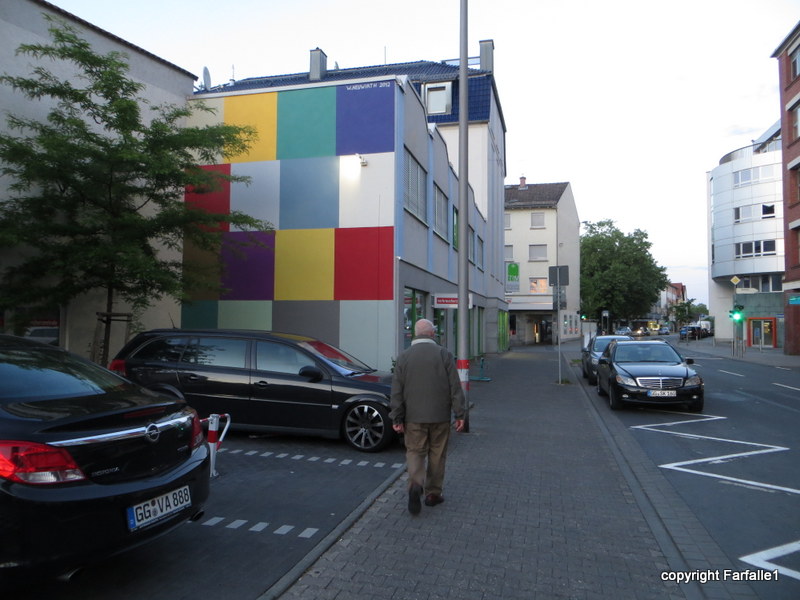
The town has changed enormously in the intervening years, of course. There is a considerable middle-eastern influence, from clothing shops to kebap restaurants. In spite of being part of the German Miracle, the town looked rather tired and run-down. There was much more litter than we’re accustomed to seeing anywhere in Germany, empty shops, and signs that all is not well economically.

Russelsheim  sad Canadian Club

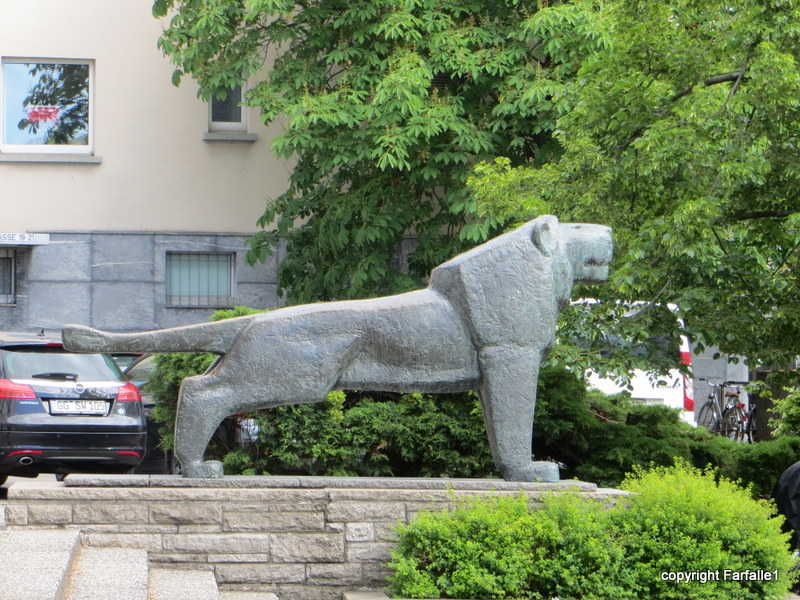
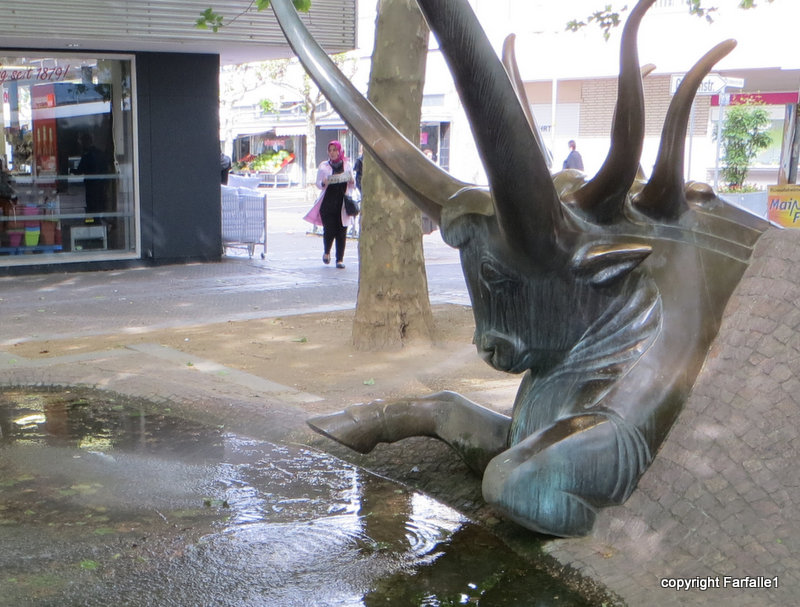
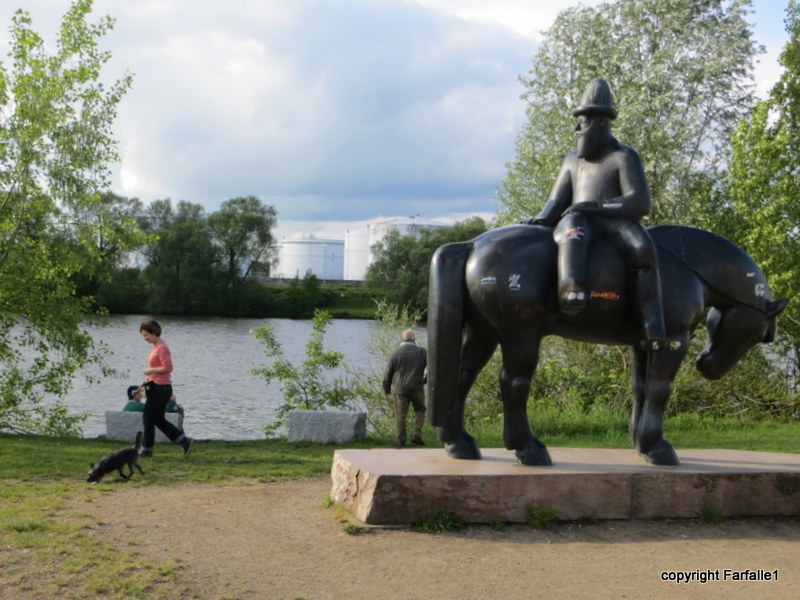
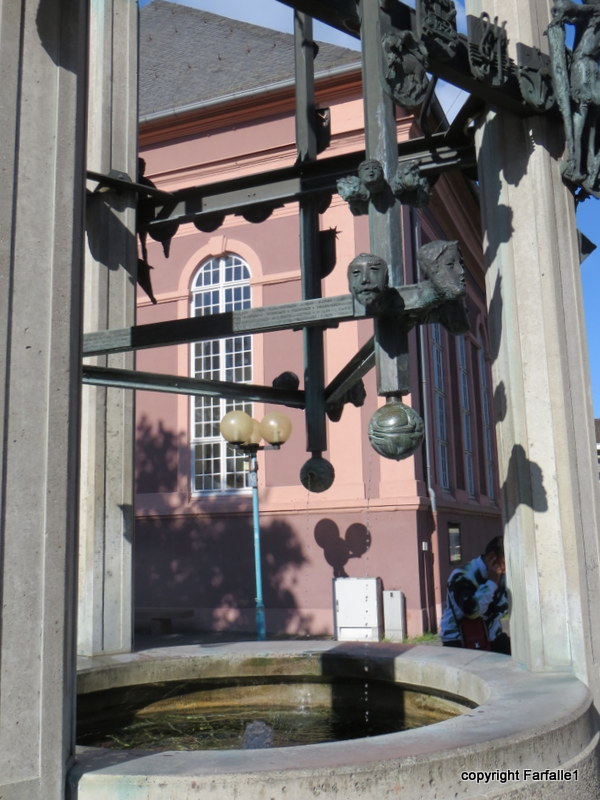
It’s not all doom and gloom, however. One thing that struck me is that the town clearly supports the arts. There are many fountains and statues to be found:

Russelsheim lion Russelsheim fountain cropppedI especially like this one as the bull snorts water out of his nostrils about every thirty seconds (look closely, he’s doing it now).

Russelsheim  statue-003In the 1500’s, upstream river traffic was managed by horses which pulled the boats. This statue is in homage to the horses and the rivermen who rode them backwards keeping a watchful eye on the traffic.

Russelsheim  statue-001

This is both a fountain and a very tall statue with lots of little faces and symbols of various industries. We couldn’t quite figure it out.

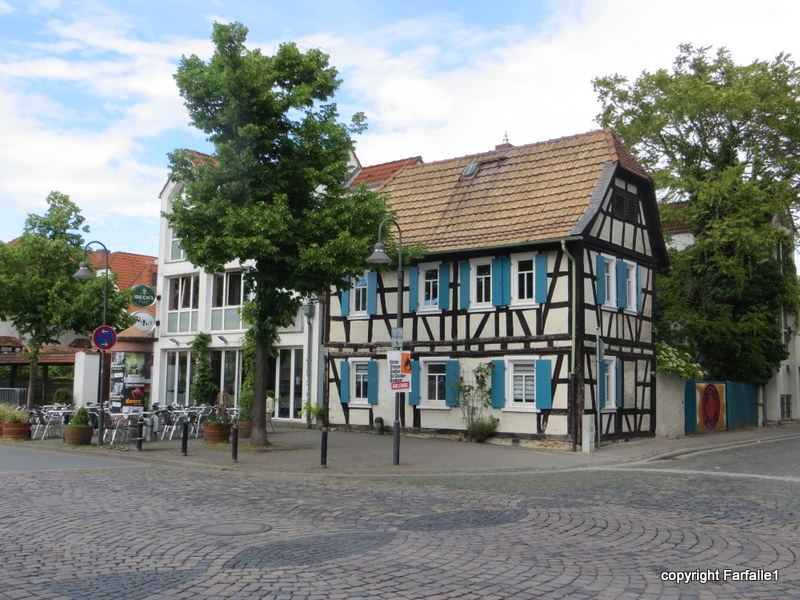
Because it was a factory town, Russelsheim suffered considerable bomb damage during World War II. While there are still a few old structures to be seen, most are modern. There is an appealing sense of whimsy to some of the modern buildings.

Russelsheim tudor house
Russelsheim fanciful exterior Russelsheim  fanciful building

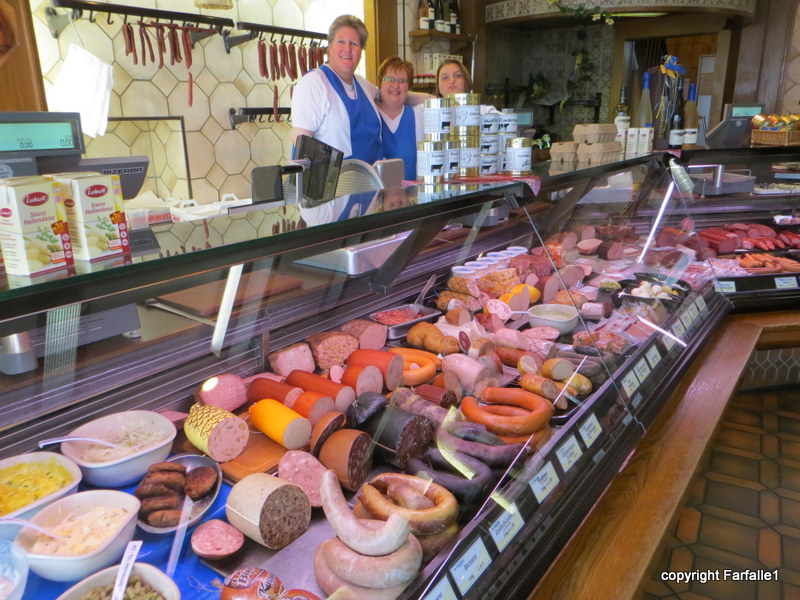
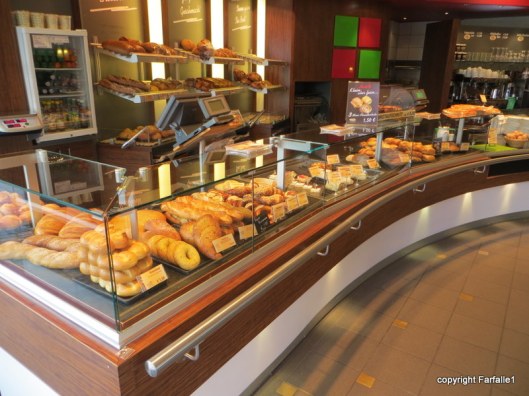
In spite of evident economic woes, there are still many vibrant shops open, including two of our favorites: the meat market and the bakery:

Russelsheim  meat market

Russelsheim  bakery

Don’t they just make your mouth water??

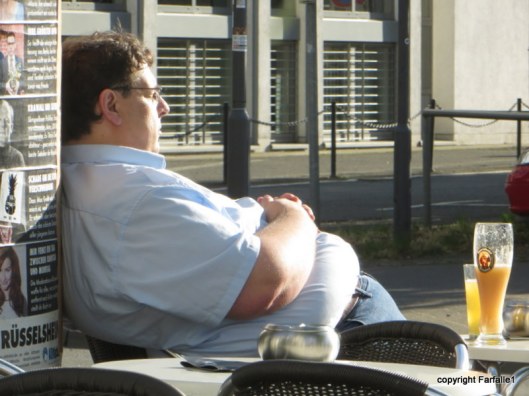
And the things we love about Germany were available in abundance. We found a nice little bar/restaurant near the river where we enjoyed a bit of pre-dinner imbibing. The sun was out, and so were the locals, soaking it up.

Russelsheim Louis and his beer


Russelsheim  resident-001

And dinner!  What a treat. It is asparagus season in Germany – in fact, we arrived smack in the middle of the month-long Asparagus Festival. I’ve never eaten blanched asparagus before. While it has all the characteristics of its green self (!) it is milder in all respects (!!). Here is my first ever, blanketed in hollandaise and paired with crispy schnitzel:

Louise's dinnerIn the background you can see Speedy’s schnitzel buried under cheese.

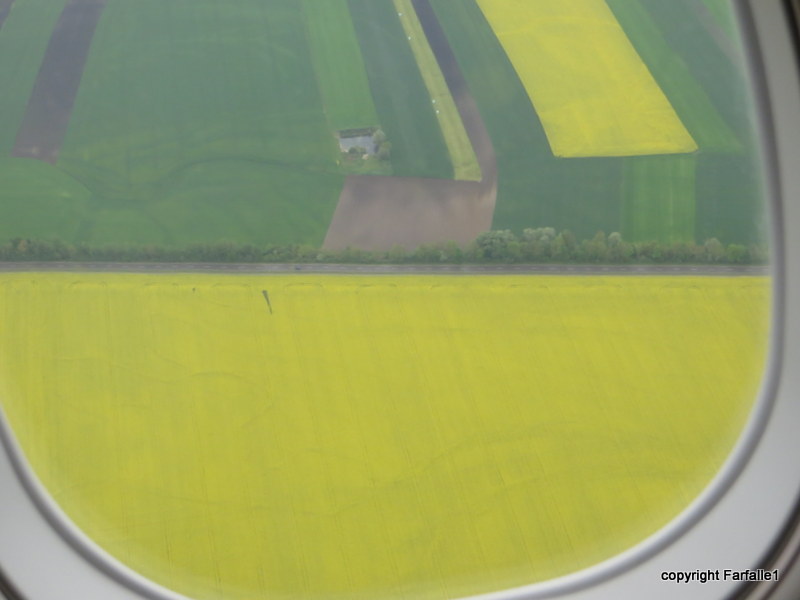
It all gave us fortification for the next day when we took the aforementioned two Lufthansa flights, followed by a train trip back to Rapallo. We were quickly above the clouds, but before we left Germany she gave us a farewell treat, an aerial view of her fields in their springtime garb. Thus we made the transition from the brown spring of Arizona, punctuated as it is with vibrant cactus flowers, to the spring of northern Europe, where there are more shades of green than Crayola has words for.

Leaving Frankfurt

Full, tired and happy, we settle back into life in beautiful Rapallo:

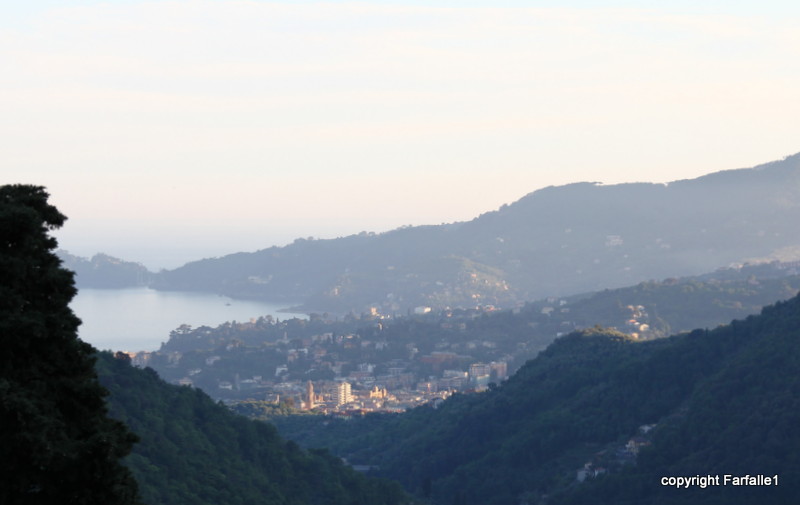
Rapallo at sunset


Spring in the Desert

03 Saturday May 2014

Posted by farfalle1 in Animals in the U.S., Arizona, Desert, Uncategorized

≈ 8 Comments

Tags

Arizona lizards, Cactus flowers


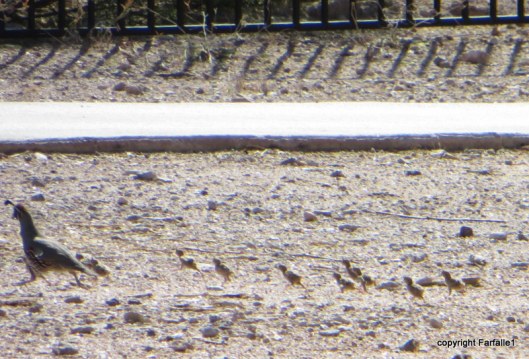
This year Speedy and I stayed longer than usual in Arizona, which means we got to see late spring as we’ve never been able to before. Long-time readers may remember a couple of years ago when a mama quail laid a clutch of eggs in our flower pot and then neglected to come sit on them. That was an adventure which, happily, has not been repeated. We’ve always left before the quaillettes hatch – this is what we’ve missed:

freshly tatched quail

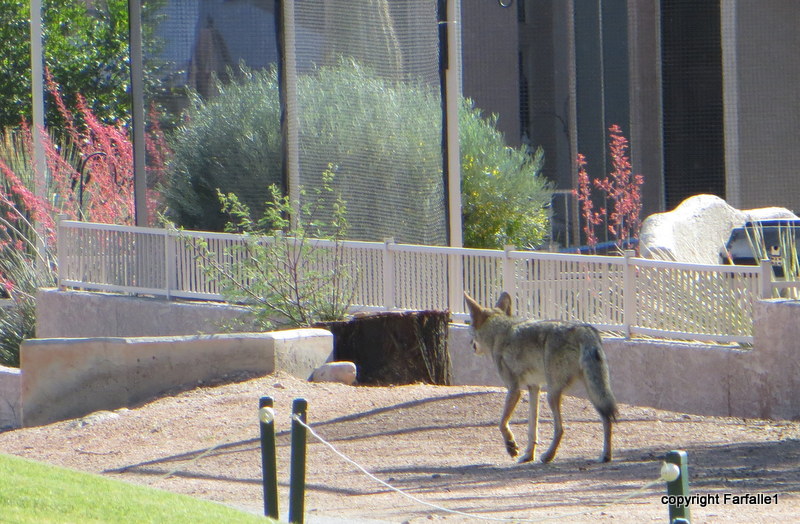
Apologies for the poor quality of the picture; the birds were quite a distance away, and they run faster than you can imagine (they look like a mass of commas chasing a close parenthesis) – which is a good thing because look who was out searching for them:

coyote-001

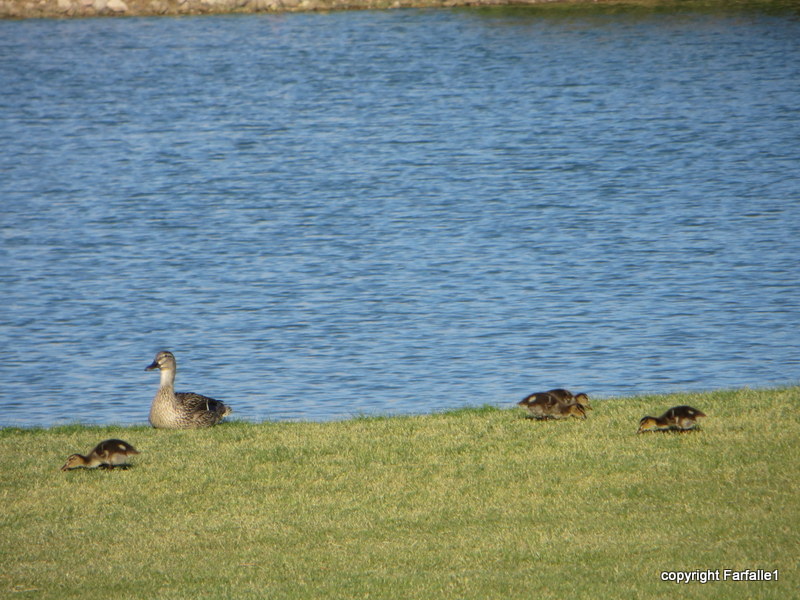
If he couldn’t snatch the baby quail I bet he would be satisfied with a meal of ducklings:

ducklings

This clutch started out numbering 13 fluffy yellow chicks, and is now down to 8.

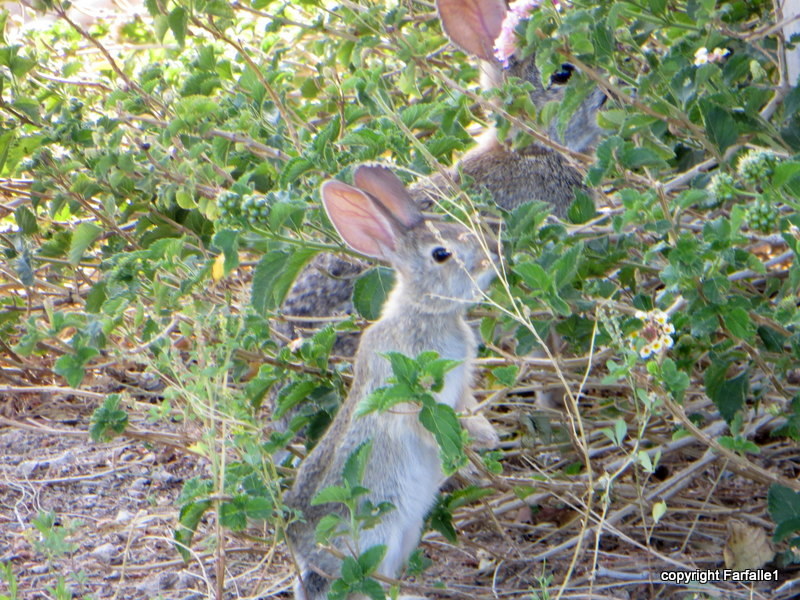
If mammals are more to his liking, there are plenty of these adorable babies around. They have grown quickly in the last couple of weeks:

baby bunny

Why is it baby bunnies are so cute? We KNOW they would love to come in the garden and eat everything that’s there, but still they are irresistable.

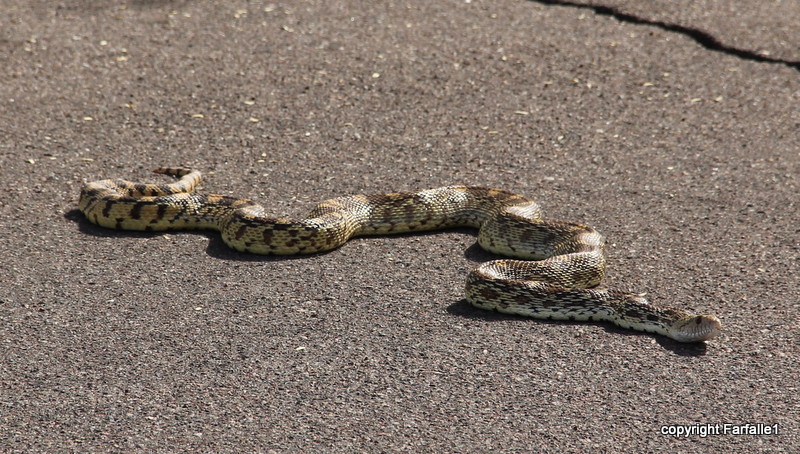
Warm Spring weather brings out the snakes and lizards. I have yet to see a rattle snake, though a good month ago this gopher snake was in our neighborhood:

gopher snake
They are quite large but harmless, unless you happen to be a small rodent. We’re happy to see them as it means the population of chipmunks and pack rats will decline.

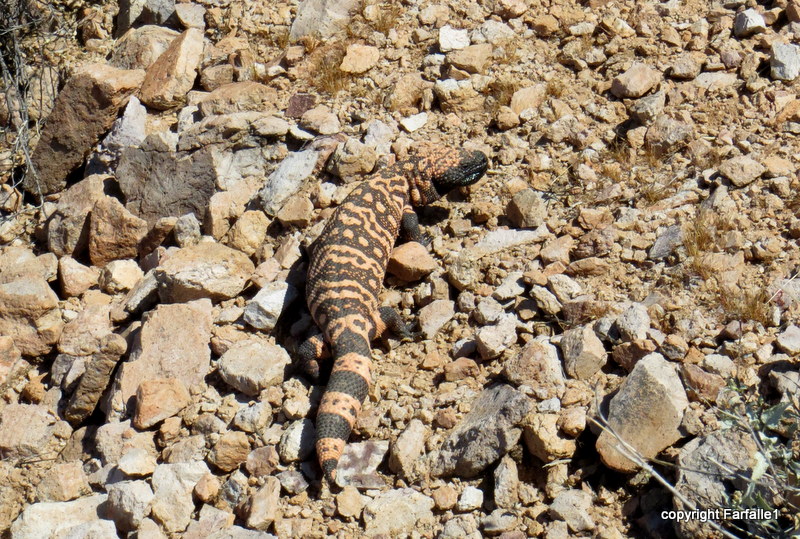
Gila monsters are not uncommon, but they are shy, so my hiking buddy and I were delighted to see this fine fellow last weekend.  In all the many hikes we’ve taken together this is only the second time we’ve seen a Gila.

gila monster

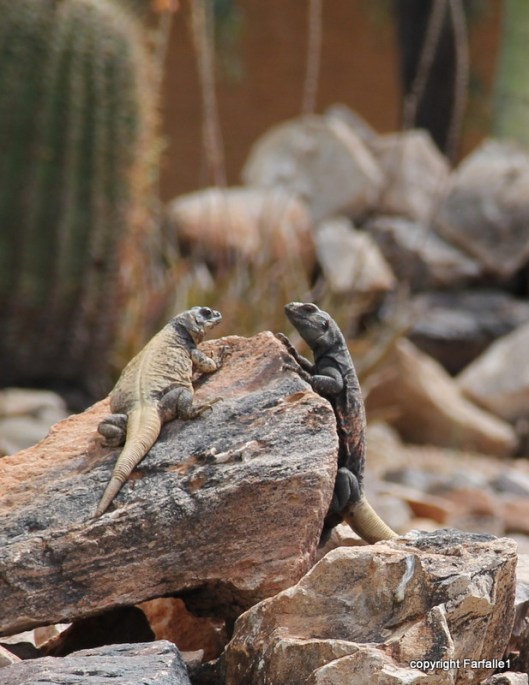
Chuckwallas live in the rock pile next to our house, so we see them on almost a daily basis. They can be quite fearless and let us get rather close; but somehow I don’t want to get too close! Their tails look like they were taken from some other lizards and glued on to the end of tailless chuckwallas, they just don’t look like they belong to that animal.

chuckwallas-002

A couple of days ago Speedy noticed a pair of smaller lizards on the rock wall out in front. I was not able to get very close to them, but I think one of them, at least, is a Mountain Spiney Lizard – and it’s the first time we’ve seen one.

mountain spiney lizard-002

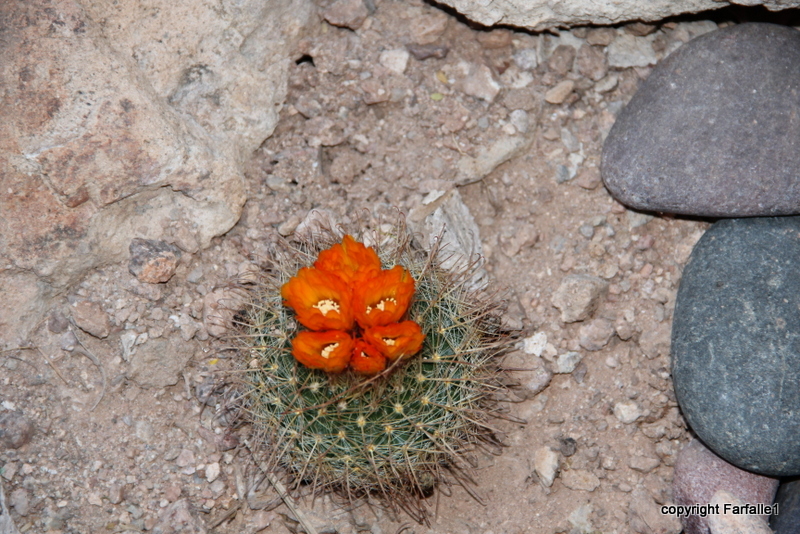
The cactus have been blooming for some time, but this year we’ve had another first-time treat: we’ve been able to see the saguaro bloom. One thing that amuses us – frequently a very small cactus will put out a disproportionately large flower.

little cactus in bloom orange bedroom cactus flower

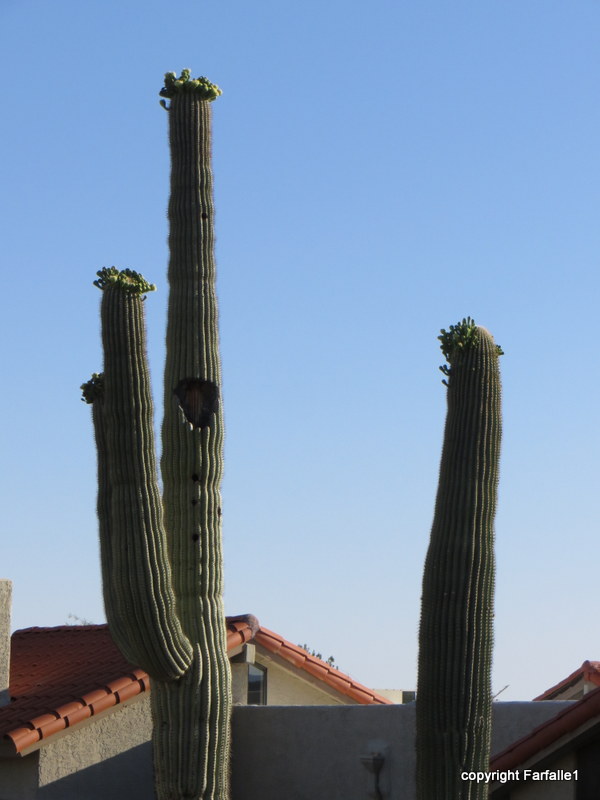
The saguaros, which are huge, put out disproportionately small flowers – from a distance they look like your grandmother 10 minutes after her departure from the beauty parlor, before the perm has relaxed. If their flowers were in proportion to those of the wee cactuses they would be about 3 feet across (I would like to see that). At any rate, I’m thrilled to have finally seen these flowers in person.

IMG_2849

cactus wren on saguaro flower

Spring is lovely no matter where you find yourself. But with the temperatures creeping up towards 100 F Speedy and I find it is time to head east… waaayyy east. Next stop: Rapallo, and a different kind of Spring. See you there!

Sedona

25 Friday Apr 2014

Posted by farfalle1 in Arizona, Hiking in Arizona, Uncategorized

≈ 13 Comments

Tags

Oak Creek Canyon, Sedona

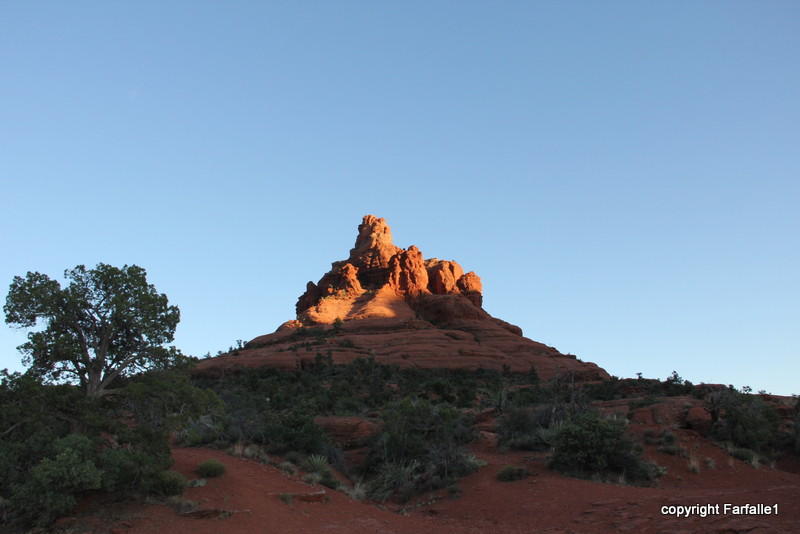
Sedona rocks in long light

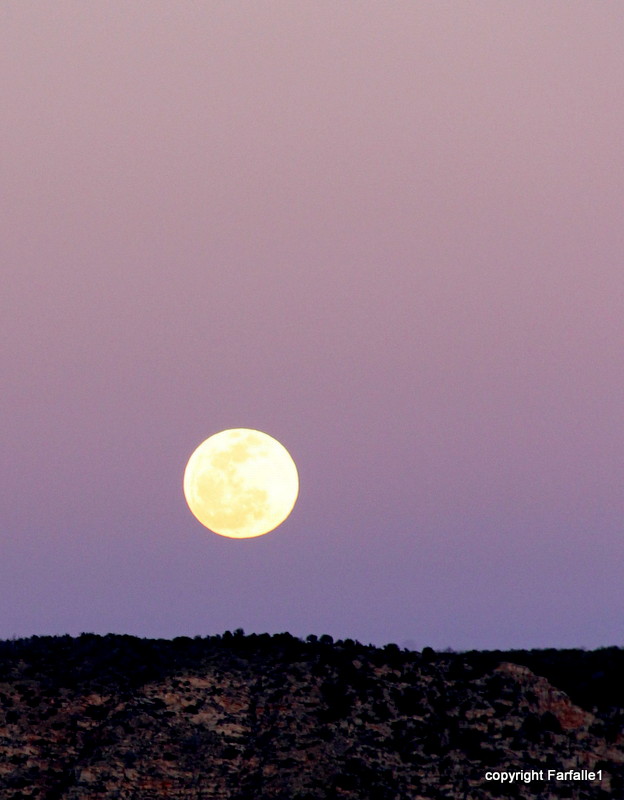
Speedy and I went up to Sedona last week to visit friends who have moved there from the same Connecticut town where we used to live. As it happened we arrived on the evening of the full moon, and not just any full moon: THE full moon that would enjoy a total eclipse in the middle of that night (I stumbled outside to see it, but didn’t even attempt a photo. It was a luscious rusty blood color).

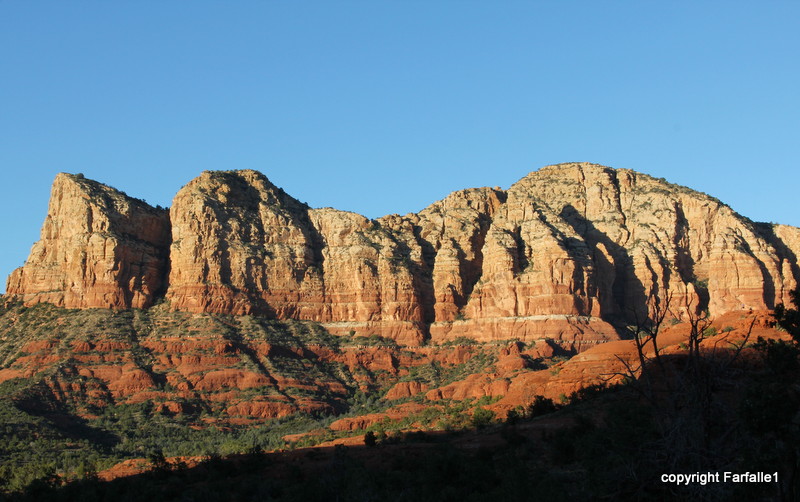
Sedona is famous as a site of many ‘vortexes’ (in Sedona they use that word for the plural, rather than the expected ‘vortices’).  There are plenty of people who believe that the earth’s energy comes together in a particularly strong way at a vortex and that standing in that energy field is benficial. John and Micki’s Metaphysical Site explains it all better than I can. Being something of a non-believer, I was surprised when we went to Bell Rock (whence the picture above was taken), one of the four primary vortexes of Sedona, to find that my scalp got all prickley. Power of suggestion? Or a different kind of power?? Who knows! Anyway, it was great fun to be there at sunset to admire the views and do some people-watching.

This handsome couple had just tied the knot:

newly weds fixed


I can’t think of a lovelier setting for a wedding, can you? Let’s hope that all the good energy will imbue their life together with great happiness. I wonder who they are.

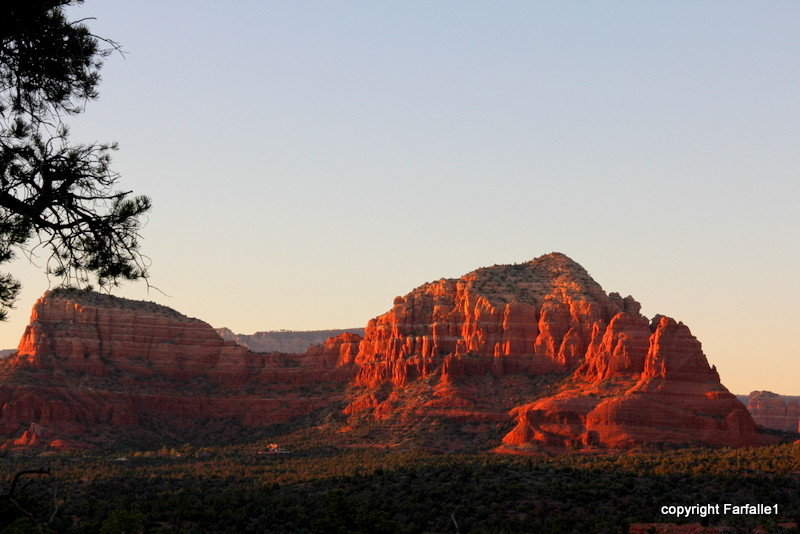
The famous ‘red rocks’ of Sedona become even redder in the long evening light. Here are a few other shots from Bell Rock at sunset:

Bell Rock at sunset-003 Sedona in long light-002sedona rocks in long light-002

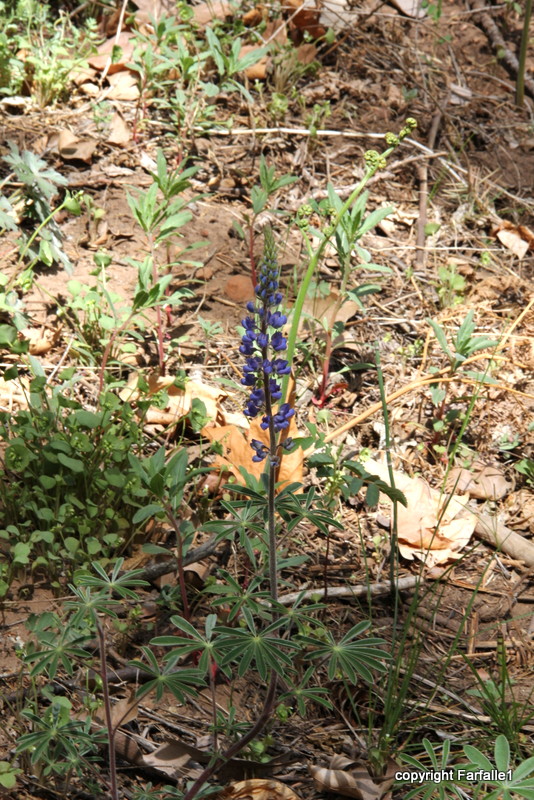
What a difference a couple of hours’ drive makes. Apache Junction must be almost a month ahead of Sedona in terms of spring-time blooms. Lupine, for instance, which grows wild on the side of the highway – down here it’s already come and gone. We took a hike through Oak Creek Canyon during our visit – on the way up the trail the lupine was still in bud. By the time we came down a couple of hours later a few hardy plants had opened their flowers.

hike with Elly, Fritz, Jim Oak Canyon lupin

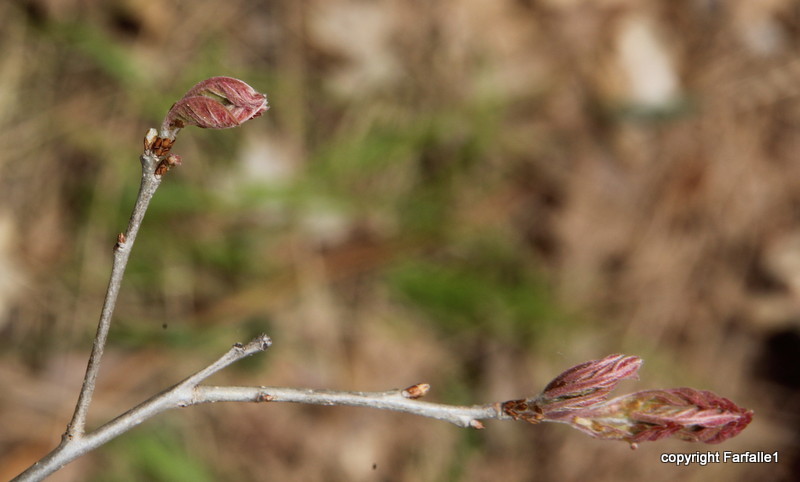
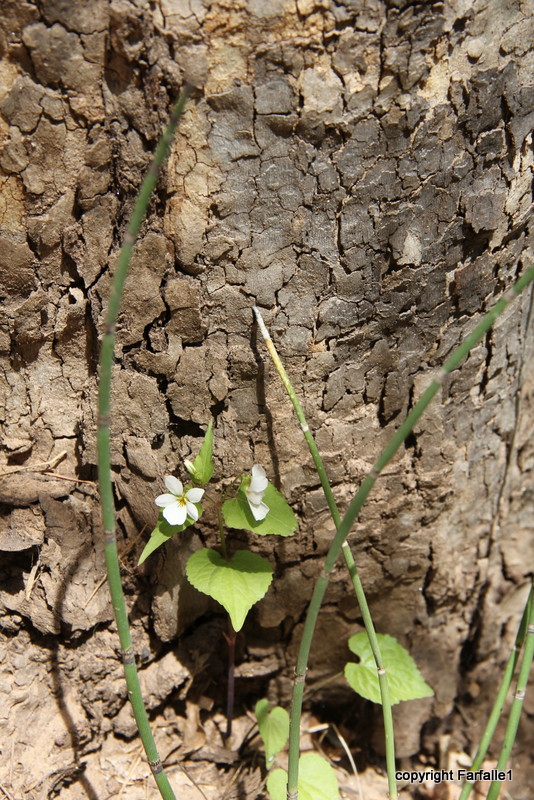
Other plants were just beginning to unfurl their leaves and here and there the little violets were poking up through the leafy carpet.

2hike with Elly, Fritz, Jim Oak Canyon

hike with Elly, Fritz, Jim Oak Canyon violets

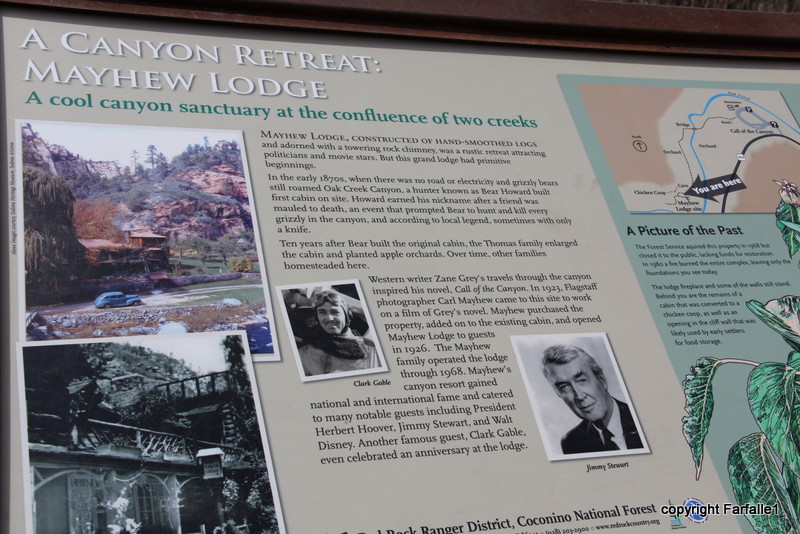
I had not heard of Oak Creek Canyon before, and didn’t realize it was one of the most visited sites in Arizona. But just a few hours spent there makes it clear why – it is stunning. At the very start of our walk we came upon the ruins of Mayhew Lodge, sitting in the midst of an ancient apple orchard (and it’s apple blossom time).

apple blossoms on hike with Elly, Fritz, Jim Oak Canyon

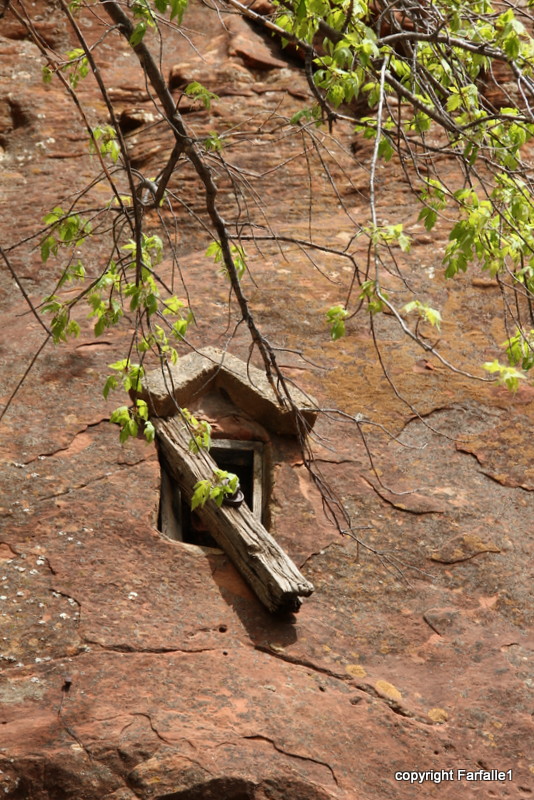
hike with Elly, Fritz, Jim Oak Canyon Mayhew LodgeThe lodge burned down in 1980 leaving stone arches, foundations and paving, all of it picturesque. (Almost like being back amidst ruins in Italy. But not quite.)
hike with Elly, Fritz, Jim Oak Canyon little window

hike with Elly, Fritz, Jim Oak Canyon Mayhew Lodge-001

hike with Elly, Fritz, Jim Oak Canyon Jim and EdieThe chicken coop somehow escaped total destruction. What lucky chickens once lived here!

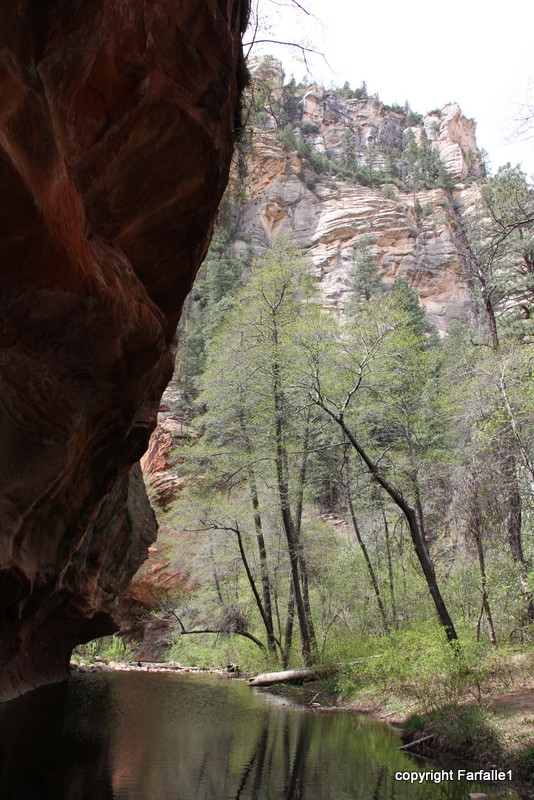
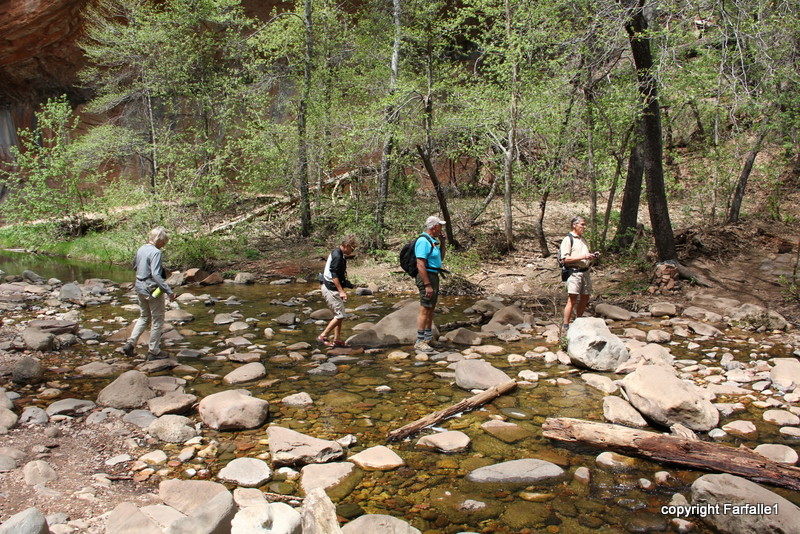
hike with Elly, Fritz, Jim Oak Canyon Mayhew Lodge chicken coop-001The canyon, carved out by eons of wind and by Oak Creek, is beautiful. Hiking up it one crosses and recrosses the creek numerous times, and always there is a cathedral of rocks around you.

hike with Elly, Fritz, Jim Oak Canyon rock hike with Elly, Fritz, Jim Oak Canyon-012

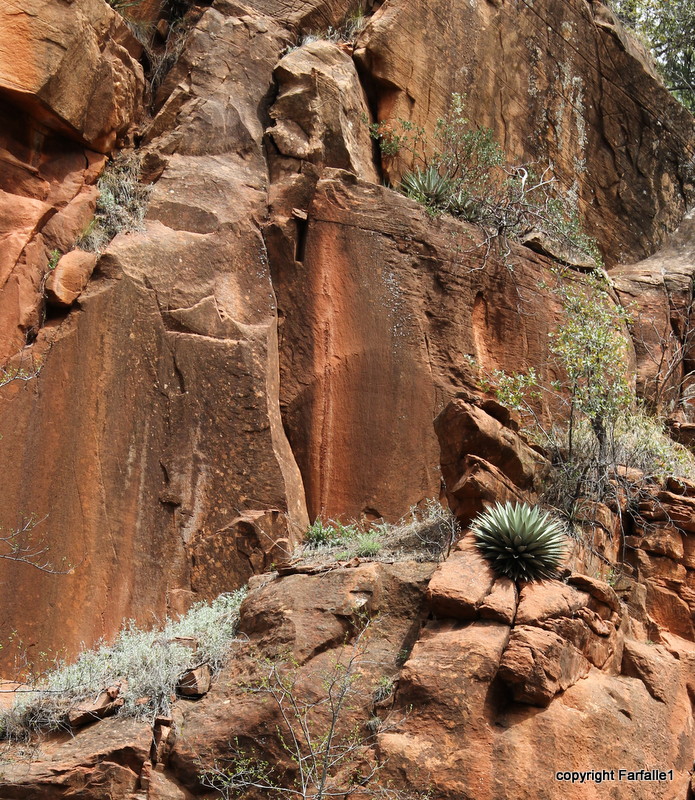
hike with Elly, Fritz, Jim Oak Canyon agave in rock-001

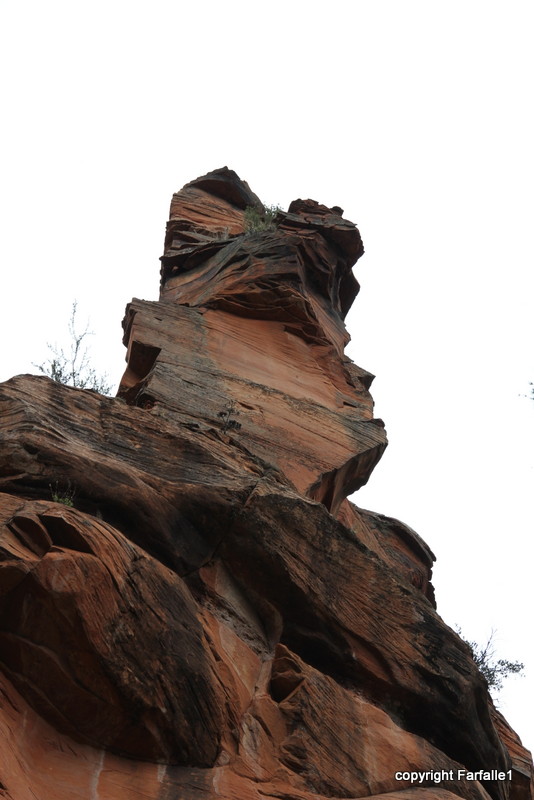
This rock reminded me so much of an ostrich:

v ostrich rock


hike with Elly, Fritz, Jim Oak Canyon still stream

hike with Elly, Fritz, Jim Oak Canyon-007

A lot of the fun of a hike like this for me is looking for birds and insects to take pictures of. I’m not very good at it, but it is a challenge I really enjoy. We saw a lot of lovely little butterflies,

hike with Elly, Fritz, Jim Oak Canyon butterfly-002


hike with Elly, Fritz, Jim Oak Canyon little butterfly-002

and two interesting wasps. The first is a very large and nasty one, the tarantula hawk wasp, a solitary wasp with an extremely nasty and painful sting. The females like to hunt tarantulas – hence the name.

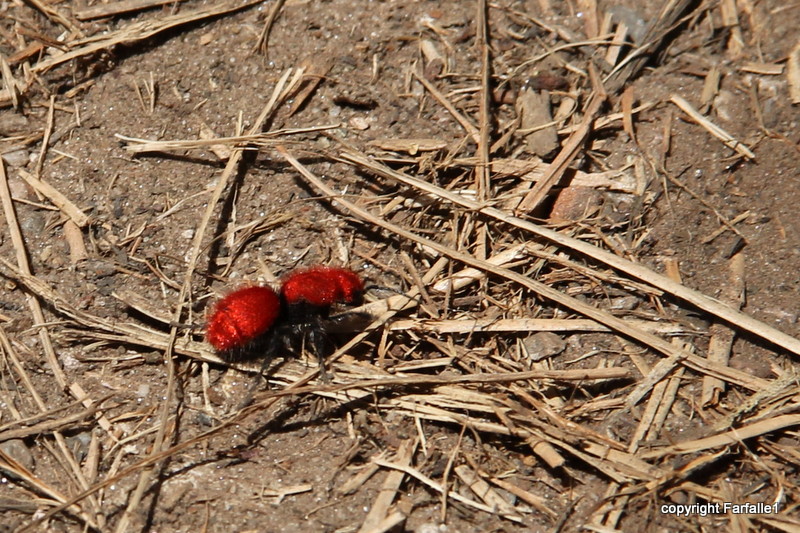
hike with Elly, Fritz, Jim Oak Canyon killer waspAt the other end of the size spectrum is the tiny, wingless red velvet ant. She’s not really an ant, she’s a wasp, and because she doesn’t have wings we know she’s a she. She also has an unpleasant sting, as hot as it looks like it would be.hike with Elly, Fritz, Jim Oak Canyon red velvet ant-002

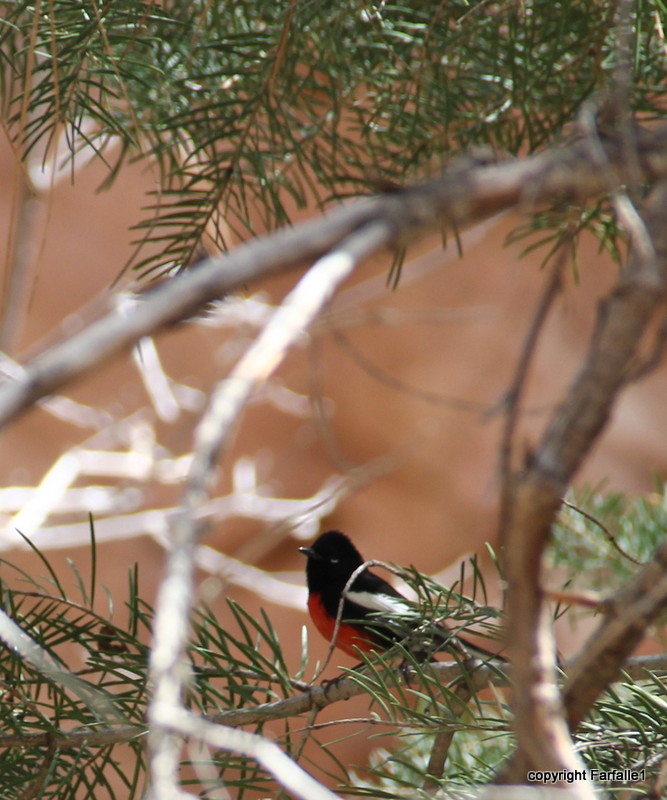
Sweeter by far were the two birds we were actually able to see. The woods were alive with birdsong, but with so many trees and so many other people about it was really hard to get a bead on one. We were delighted to see the petit and colorful painted redstart, evidently not a rare bird in the canyons, but one we certainly don’t see in our Sonoran Desert.

hike with Elly, Fritz, Jim Oak Canyon painted redstart

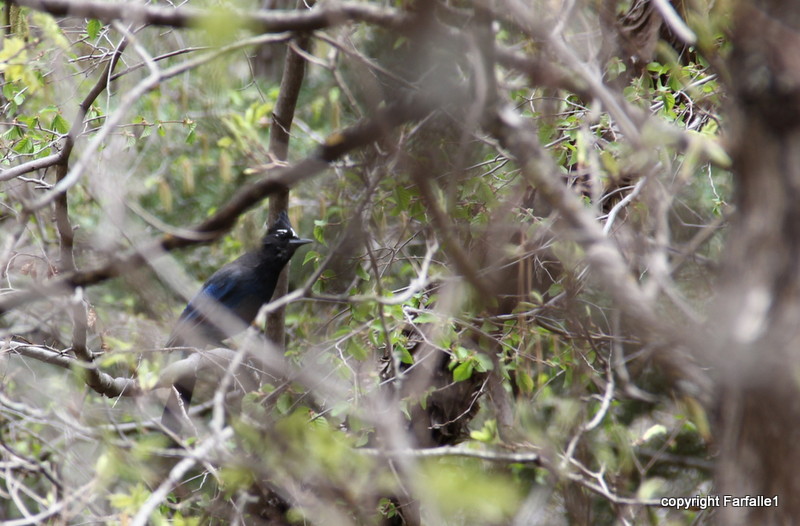
The other bird we could see and identify is the stellar jay. He has a very dark, almost black head, and a bright blue body – just what a jay should have. This one, though, instead of having the raucous cawing shout that we normally associate with jays, had a melodious and throaty song, almost a warble – a real pleasure to listen to.

hike with Elly, Fritz, Jim Oak Canyon stellar jay-006


hike with Elly, Fritz, Jim Oak Canyon stellar jay-002

Because I had to stop every two minutes to take a hundred photos we really didn’t advance terribly far up the canyon. We did make it to an enormous rock that had come tumbling down from the cliff face above. What a noise that must have made when it landed.

hike with Elly, Fritz, Jim Oak Canyon spanning big rockAll this strolling along taking pictures was hungry work. Chef Jim, pictured above, had a delicious dinner planned for us, but it required a bit of time and work. So having admired the large rock (one of us even brave enough to climb it) we turned around and headed back to the good food and company in Sedona, and to the magic of a full moon night.

hike with Elly, Fritz, Jim Oak Canyon big rock-001


full moon-004 nearly full moon-006

Finding Momo in Tempe

12 Saturday Apr 2014

Posted by farfalle1 in Animals in the U.S., Books, Dogs, Uncategorized

≈ 4 Comments

Tags

Andrew Knapp, Find Momo, Maddie, Maddie On Things, Momo, Theron Humphrey

How many hundreds have books been written about dogs by the people who love them? It seems like everyone who has ever had a dog has written a book, or at least a story or a poem, about him, but that turns out not to be true. Stanley Coren estimates in Psychology Today that there are at least 725 million dogs on the planet, so the percentage of people who publish accounts of their dogs is actually rather small. The percentage of dogs who allow strangers to fondle them on book tours is arguably even smaller.

One such productive human is Andrew Knapp who has made a playful hide-and-seek photography book called Find Momo about his patient dog. While Momo is not as adept at hiding as is Waldo, he is at least 100 times cuter. He’s also real, a real border collie to be exact, and he enjoys peeking out from hiding places while Andrew takes his portrait. In some of the pictures he is easy to find, in others not so easy to find.

It all began innocently enough when a man adopted a dog (hear how it changed his life in his TEDx talk here). Andrew, like anyone with a camera (or iPhone) and a dog put the two together. Noticing that when he played stick with Momo the dog preferred to hide rather than bring the stick back, he decided to take pictures of his hard-to-see pooch when he was hiding. What started as a game became an urban landscape project in Ontario and then became a voyage of discovery, actual and metaphorical (really, listen to the TEDx talk, it’s inspiring). Andrew began posting his photos of Momo on Instagram, where he now has more than 150,000 followers, and created a website for the project. Now he has made his first book, and the second is in development.

Andrew and Momo stopped at Changing Hands Bookstore in nearby Tempe recently during their book-tour and I took the opportunity to go and meet a pooch I felt I already knew from his on-line personality. Both he and Andrew turned out to be as delightful in person as they seem on the screen and the page. I arrived in time for the Q & A, and Momo was already working the crowd as Andrew met fans and signed copies of his book for them. Andrew KnappI have not been to many book-signings, and I learned a couple of things from this one. First, get there at the appointed time. If you’re 20 minutes late you’ll miss most of the content. Second, get there on time, if you’re 20 minutes late there will be no books left. Third, if you have to be 20 minutes late, go anyway because it’s a lot of fun to meet other people who like the same authors and books you do. It was great fun to watch Momo play with anyone who asked – as stars go, he is decidedly accessible: Momo, his toy, his book momo's little fan fallsmomo and fans-001Louise and Momo-006This one shows Momo doing what he likes to do best: hide! momo hidesIf you’ve enjoyed meeting Momo and visiting his sites, you might also like to know about Maddie the Coon Hound, whose human, Theron Humphrey, photographs her upon things. What a delight it was to discover that Momo and Maddie are acquainted. In this photo taken by Andrew Knapp and/or Theron Humprey you can see each dog doing what s/he does best.

There are a lot of dogs, and a lot of books about dogs. The happy news is that there’s always room for one more good one.

Not Enough of Most Things, Too Much of Some

12 Wednesday Feb 2014

Posted by farfalle1 in Arizona, Eating out in Arizona, Health and health care, Uncategorized

≈ 12 Comments

Tags

Feeding America, Feeding the Hungry, Food Bank, Food Banks, Hungry Children, United Food Bank

Food Bank. What pops into your head when you hear those words? For me it’s an image of a small room, probably part of a church or social agency, shelves lining the walls laden with boxes and tins of food, some dusty, some out-of-date. In my imagination it’s open a few days a month, and a stream of hungry people trudge in and out, arriving empty-handed and leaving with a brown paper bag of food. Other more fortunate people have bought extra when they did their own marketing and dropped it off, or a local group had a food drive and donated the gleanings to the Food Bank, or someone cleaned out her cupboards and got rid of unwanted items.

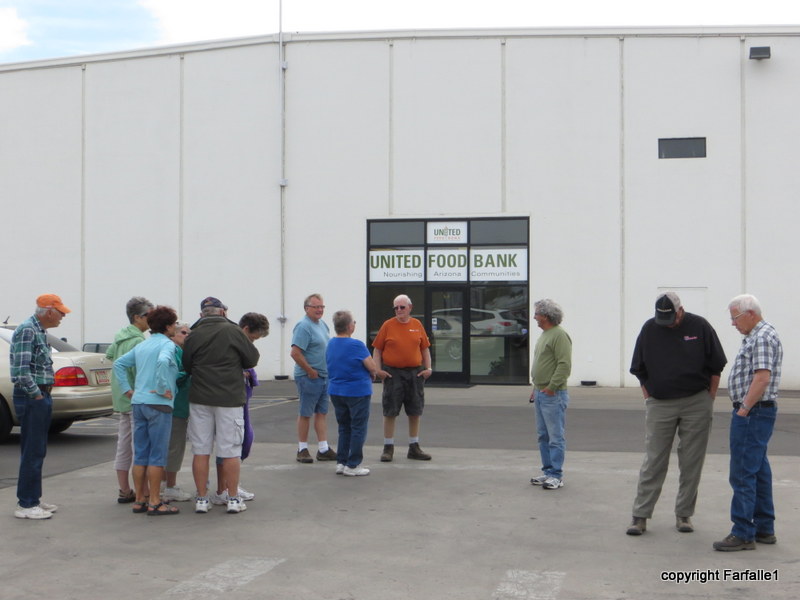
Well no, Expatriate. That’s not quite how it is. You may remember reading about the great fun we have picking fruit for the food bank on winter Fridays. It was the subject of a post here at just about this time last year. This year a group of us pickers had the great good fortune to be given a tour of the United Food Bank (for whom we pick), an operation that is almost the exact opposite of my imagined picture.

Here we are outside the United Food Bank warehouse. Yes, you read that correctly, warehouse.

United Food Bank Tour

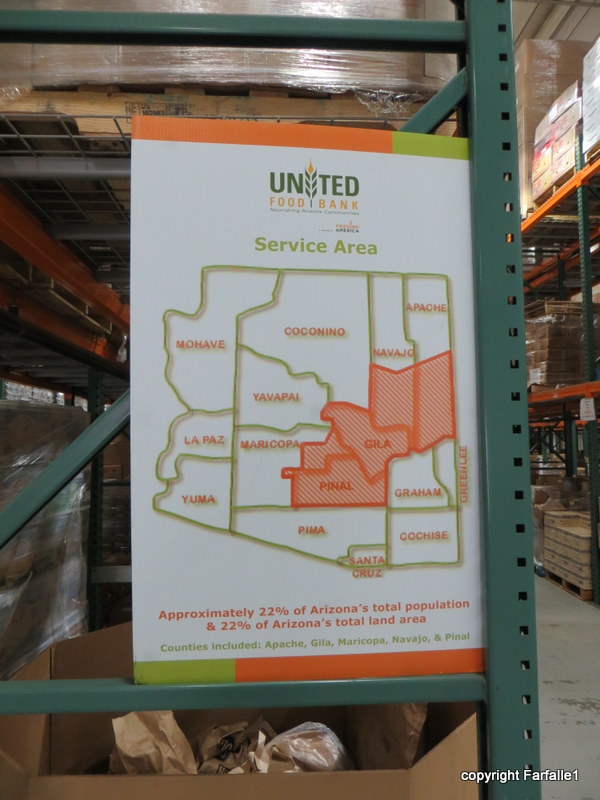
The United Food Bank serves almost one-quarter of the state of Arizona:

United Food Bank Tour service area

It was organized in 1983 as a joint venture among East Valley cities and their respective United Ways to gather and distribute food to organizations; today they serve upwards of 200 food banks in the region. They do not distribute food to individuals from this warehouse, but instead organize and ship it to those who do.

Here is Melissa, one of only about twenty-four paid employees who handle this large business. She is explaining to us why our fruit-picking operation is in jeopardy (I’ll tell you later).
United Food Bank Tour melissa explains Some of the astonishing facts she told us are:

1. 1 in 5 Arizona residents lives in poverty, 1 in every 4 children under the age of 18 lives in poverty (Arizona is tied as the worst state in the union when when it comes to child hunger, and the 5th worst for overall food insecurity rates).

2. 1 in 4 children, 1 in 5 adults, and 1 in 7 seniors in Arizona struggle with hunger.

3. More than 888,000 individual Arizonans receive emergency food assistance every year.

4. United Food Bank distributes over 51,100 meals every single day of the year through its affiliated food banks.

5. That works out to almost 1.5 million pounds of food every month, which are some 500,000 pounds fewer than the need.

6. The greatest influx of assistance to the Food Bank comes in November and December. The greatest need occurs in the summer, when the children do not receive a daily meal at school.

Speaking of school, the Food Bank has a terrific program called the Backpack Program. It was developed when the FB discovered that many children had nothing to eat between school meals on Friday and Monday. Each backpack is filled with nutritional food that is child-friendly, non-perishable, and easily prepared. The schools identify the children at greatest risk of weekend hunger, and invite them to take home a full backpack on Friday and return it empty when they come back to school on Monday.

United Food Bank Tour backpack program

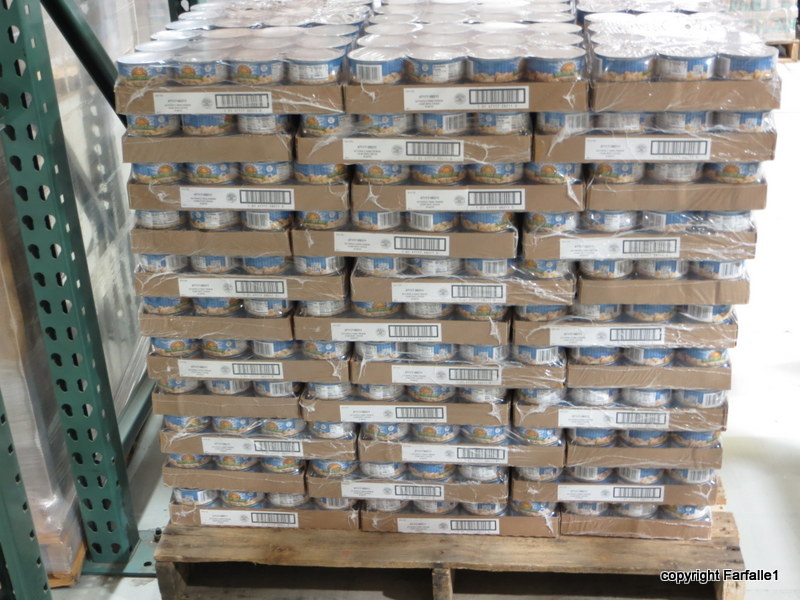
Where does the food come from, I hear you ask. A variety of sources. Some is donated by food companies and stores:

United Food Bank Tour palette of food-001

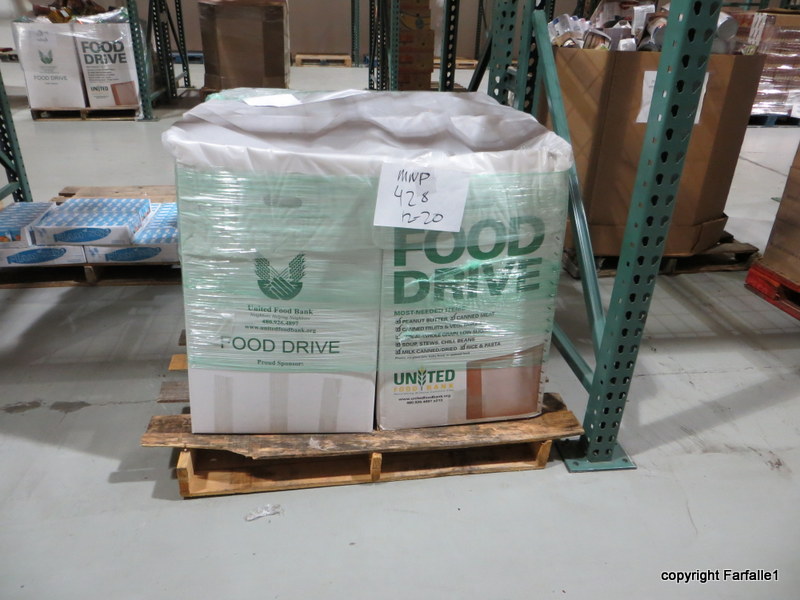
Some comes from food drives run by Scouts, Churches and so forth:

food drive box

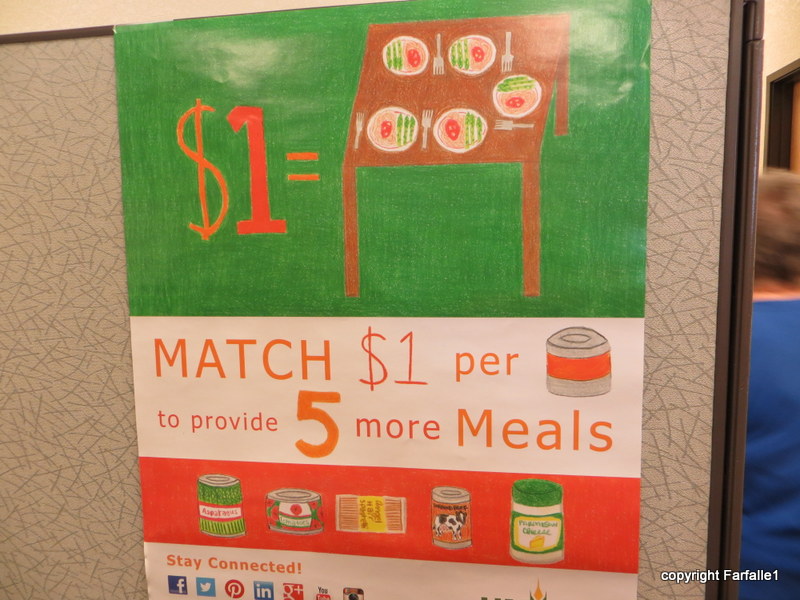
And a lot is flat-out purchased by the Food Bank. United Food Bank is a member of Feeding America, a national organization. Using the leverage of large purchasing, Feeding America and its affiliates are able to buy large quantities of food from producers at greatly reduced prices.  In fact, this poster illustrates a startling fact:

United Food Bank Tour what $1 will do

That’s right! The Food Banks are able to cobble together 5 meals from a $1 donation. Amazing, especially when you consider that you and I pay .79 for just a liter of water at the supermarket.

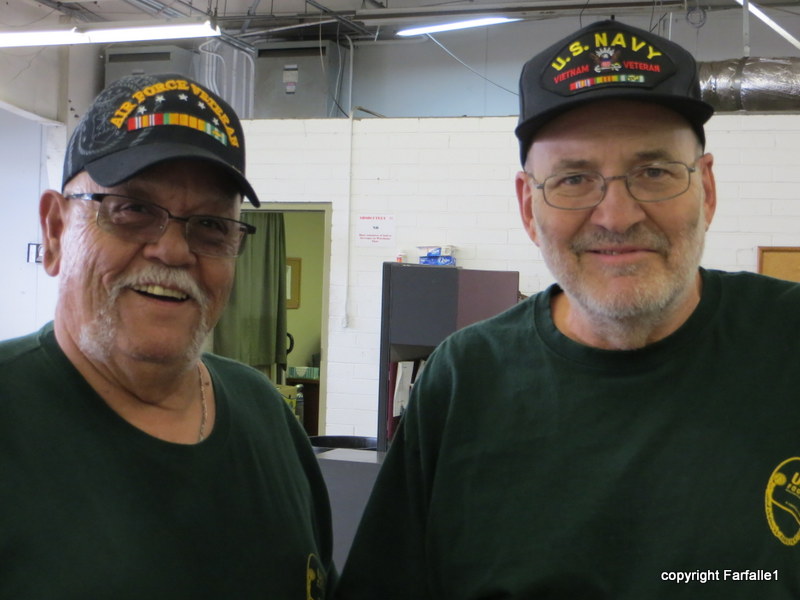
You might be wondering how a mere 20 or so employees can move such a vast quantity of food over such a large area. The anwer: volunteers.  Here are two, who scampered off before I could get their names:

United Food Bank Tour volunteers

Other volunteers come courtesy of Sheriff Joe Arpaio and his infamous Tent City (not all reviews of Tent City are as negative as the one I’ve linked to). We saw several inmates in their signature pink skivvies and striped suits, but I was asked not to photograph them (I really wanted to). Last year volunteers provided over 51,000 hours of work, equivalent of another 25 full-time employees.

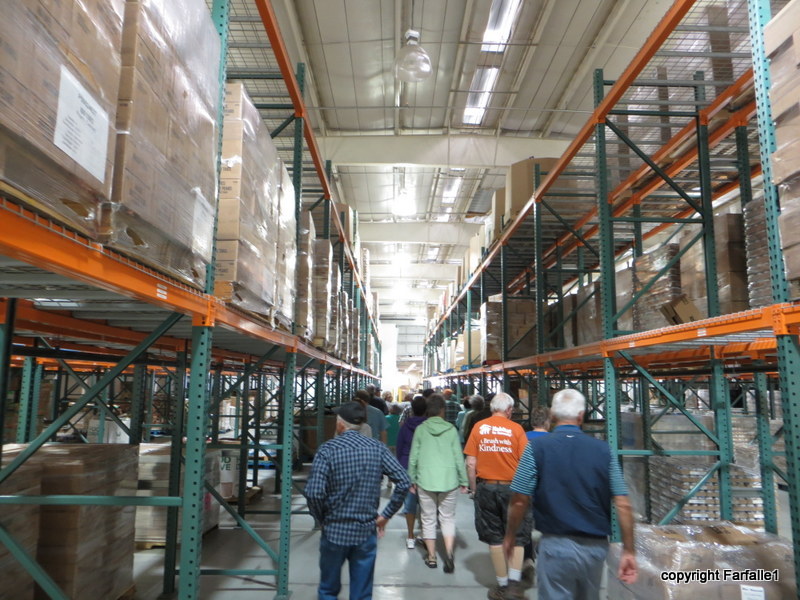
When the food comes in it is stored in either the regular warehouse:

United Food Bank Tour warehouse

or in the cold storage room:

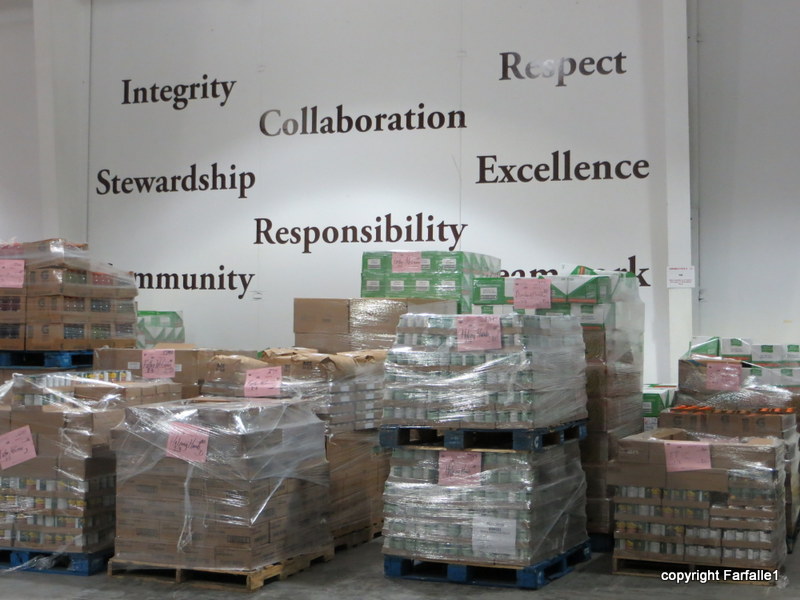
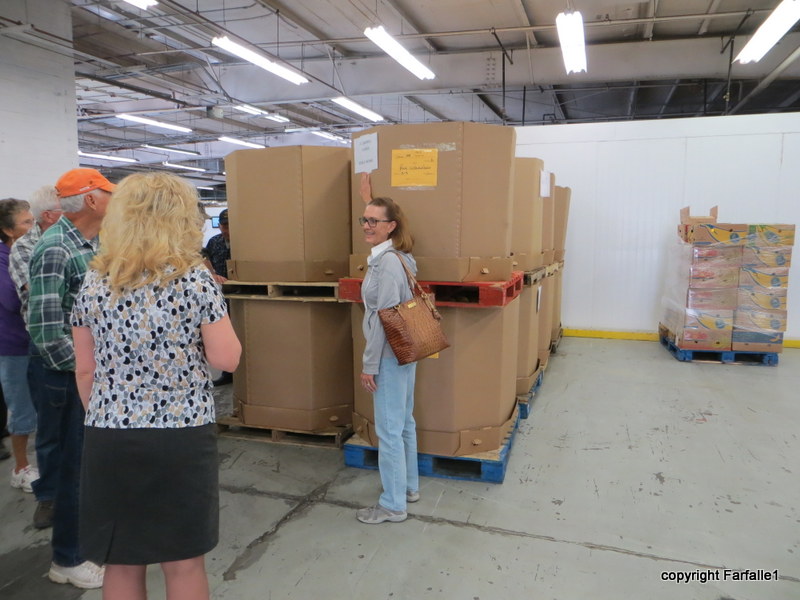
United Food Bank Tour cold storage-001Then ‘orders’ from the various food banks are put together on palettes ready to be delivered (the pink slips identify the food bank recipient):

United Food Bank Tour waiting to be delivered

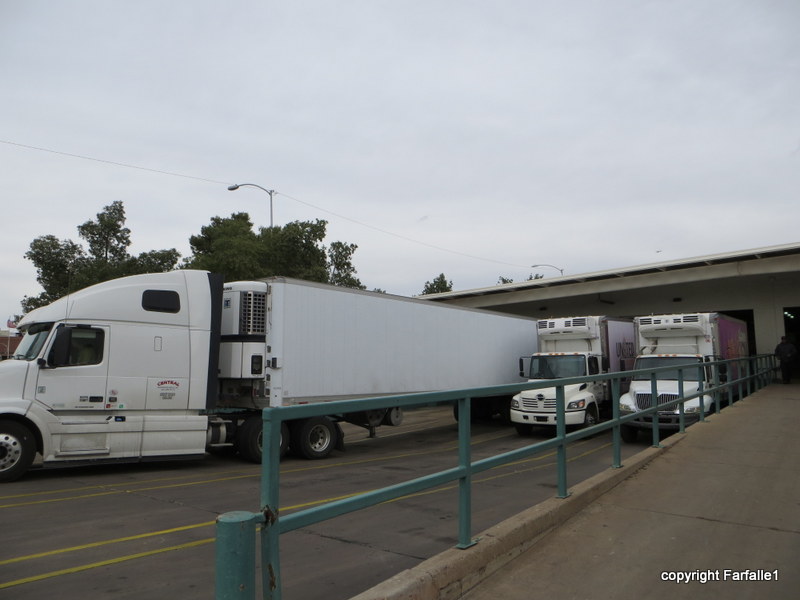
The trucks that pick up food from large suppliers reload and take the palettes off to the local food banks:

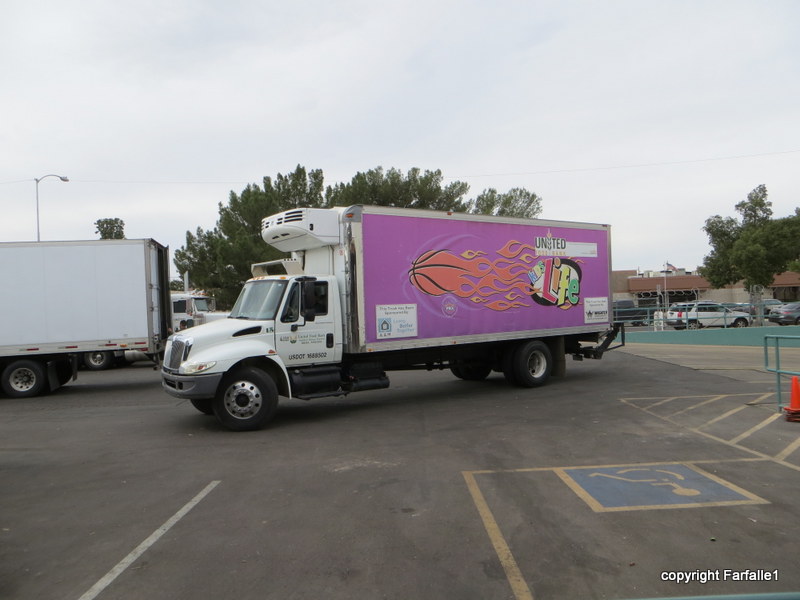
United Food Bank Tour colorful truck

United Food Bank Tour loading docks-001

Remember up above I mentioned that the fruit-picking program is in jeopardy? Here’s the reason:

United Food Bank Tour bad fruit-002

Bad fruit! That’s right, just as the old saw says, one bad apple, or in this case grapefruit, spoils the whole carton. Our group is extremely careful to put only perfect fruit into the boxes. One little puncture and the fruit is useless. Our pickers look at each piece, and a team of checkers stays at the bins and re-examines every piece. That is why one of our team leaders, Bev, is so proud of the boxes of fruit we pick, which do NOT look like the fruit above. Here she is with one of the six bins of fruit we picked.

United Food Bank Tour Bev and some of our boxes

You might imagine that having a bad carton of fruit is a pity and a waste, but not such a big deal. Magnify it by many cartons and it becomes a big deal. The cartons alone cost about $25, and if there’s rotten wet fruit in them, they are ruined and have to be discarded. Then there’s the problem of the bad fruit. Last year it cost the food bank $18,000 to have the bad fruit trucked away and discarded. That is money they would have far preferred to put into meals.

There’s also the question of quantity. There is simply a lot more grapefruit in the Valley than the food banks here can use. Another food bank is working with a local juicer to turn excess fruit into delicious juice. The drawback is that the juicer will work only with professional gleaners, not with volunteers (I imagine it might have something to do with quality control). So far United Food Bank is working only with volunteer pickers.

Up until last year our United Food Bank, through Feeding America, was able to send our excess fruit north to Washington and Oregon in exchange for their excess apples and potatoes. Unfortunately the Arizona citrus has been attacked by a scale disease which is not yet present in the northern states – and they don’t want it. As a precaution they are no longer accepting our excess fruit.

So you can see, the whole thing is very complex. As a casual observer it seems to me that United Food Bank is doing a superb job at getting as much food as possible out to the people who need it the most. The sad fact of the matter is that there are more hungry people in Arizona (and in the rest of America, too) than there is food to feed them. Here, in pie charts (what could be more appropriate?) is a breakdown of income and expenses for UFB:

United Food Bank Tour pie charts

I asked Melissa what was the more useful contribution, food or money. Both, she said, although the money is more flexible.  Some of each is certainly a winning combination. The most needed items in food banks (in addition to cash) are: peanut butter, canned meat, canned fruit and veggies, cereal (whole grain and low sugar preferred), soups, stews, chili, beans, pasta and rice, and milk, either canned or dried.

So it turns out my preconceptions of what a food bank is and does were pretty wrong. There’s nothing sad about it – it’s positive for the people who work and volunteer at food banks, it’s positive for the people who donate food and money, and most of all, it’s positive for the food recipients. Often it is the catalyst that helps them get back on their feet after a run of bad luck. For a hungry child it might provide the zip to do better in school and, therefore, in life itself. If you want to find a food bank near you (if you’re in the U.S.) where you can either volunteer or drop off a bag of food or a check, you can find one here.
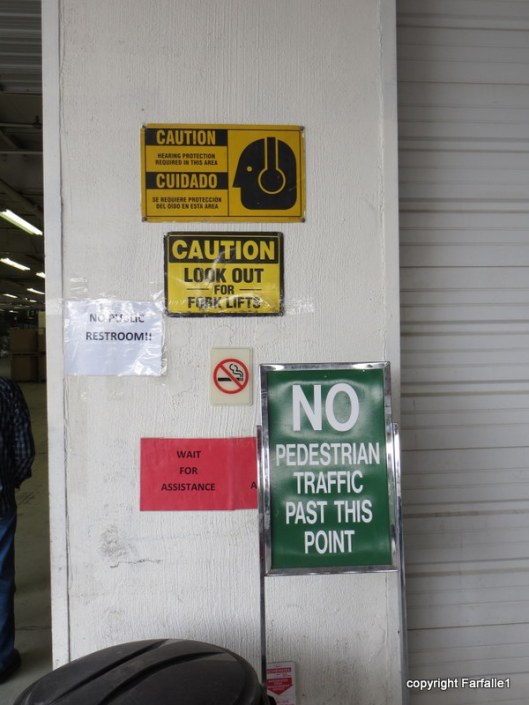
Just a humorous note to end. Like every large organization, United Food Bank has Rules and Regulations, especially in the warehouse area where forklifts are zipping back and forth. As in other matters, they are very organized, posting all the rules on a Wall of Don’ts. I don’t know why it amused me so, but it did. Do not pass go! Do not collect $200!

United Food Bank Tour wall of no-no's

PS – thanks to the United Food Bank brochures for facts, figures and concise language describing their programs, which I have shamelessly copied.

Making Mozarella

29 Wednesday Jan 2014

Posted by farfalle1 in Food, Italian food, Italian recipes, Uncategorized

≈ 18 Comments

Tags

Cheese, Cheese-making, Mozzarella

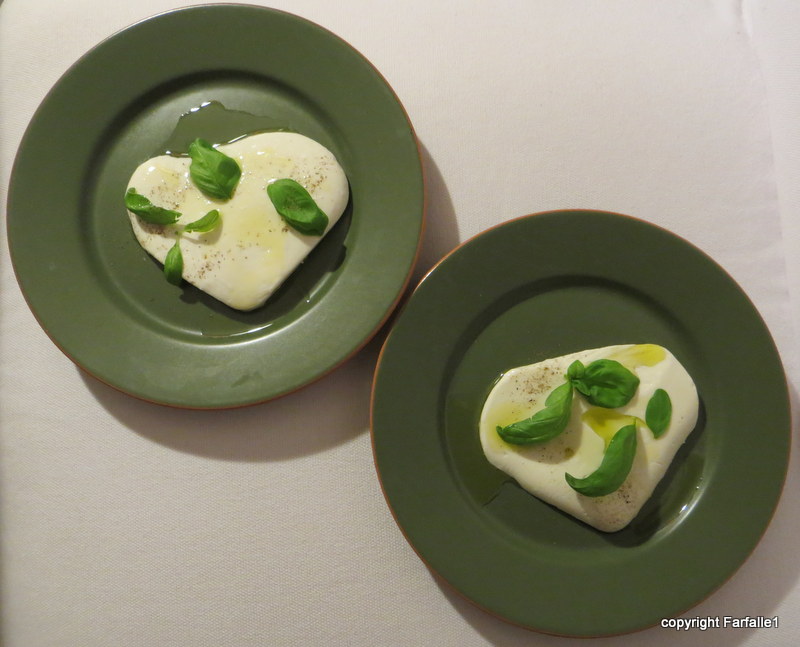
IMG_2137
Cheese.  It’s one of the things I miss the very most about Italy when we are not there. Cheese has always been one of my major food groups (others: vegetables, fruit, rice-bread-potatoes, and chocolate; I believe that adds up to the requisite five). We are spoiled in Italy – the Italian Cheese book put out by Slow Food (edited by Rubino, Sardo and Surrusca) describes 293 different kinds of cheese. Granted some of these are kissin’ cousins: add a little smoke to fresh mozzarella and you have smoked mozzarella, two different cheeses but close relatives. Still, you can eat a different cheese every day in Italy and not run out for almost a full year.
Speaking of mozzarella, it is the comfort food of the cheese world.  Soft, not really bland but not challenging, it goes with everything. On its own with a bit of oil, salt and basil it is the perfect first course. Mix it into pasta, make a sandwich, put cubes of it in your salads, make pizza – there’s little that is not improved by the addition of fresh mozzarella.

Photo courtesy of Woodstock Water Buffalo Company

Photo courtesy of Woodstock Water Buffalo Company

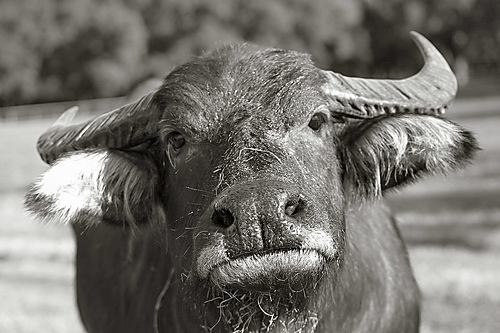
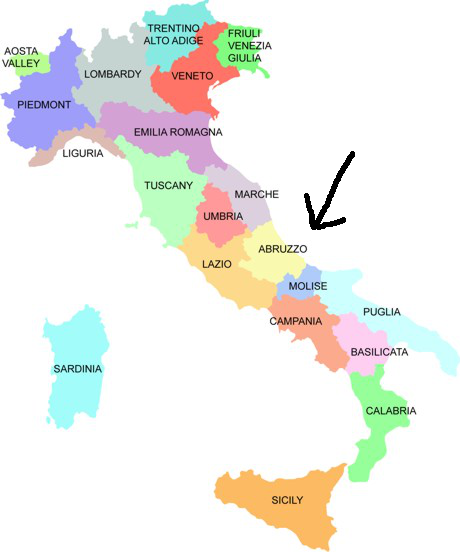
Sad to say it is almost impossible to find it here in the States (unless you live near Quebec). And when you do find it, it is generally shrink-wrapped with a token amount of liquid, not swimming in the briny water it prefers. Store-bought mozzarella here is of dubious age and provenance, not like Italy where we know it has come from very nearby, unless it is mozarella di bufala – then it is made from the milk of water buffalos (see the winsome face above) from ‘the south’ – Campania, Lazio, Apulia or Molise.

Map courtesy of understandingitaly.com

Map courtesy of understandingitaly.com

What to do about this sad lack in our lives? You already know the answer – we decided to make our own. Thanks to Emma Christensen’s delightful website thekitchn we discovered that mozzarella is not only easy to make, it’s FUN to make. Basically all you need is a gallon of milk, some citric acid and rennet (readily available online) and about an hour.

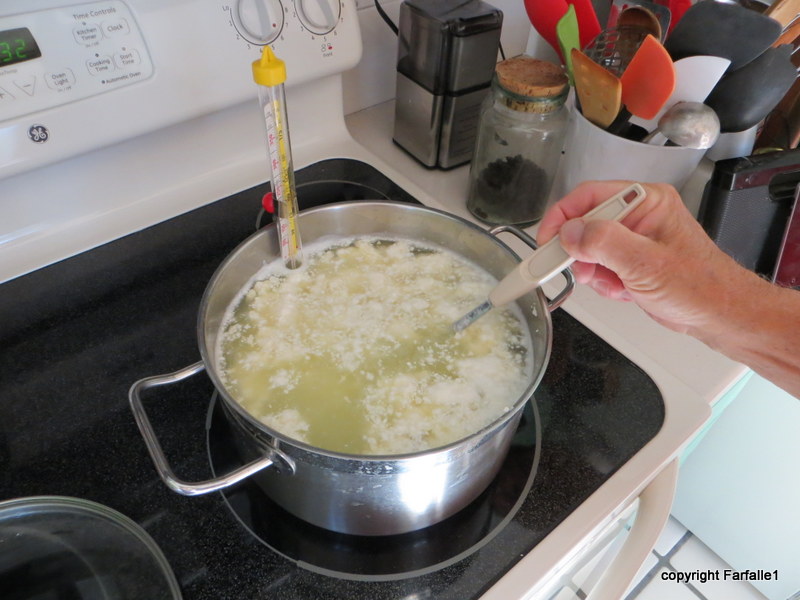
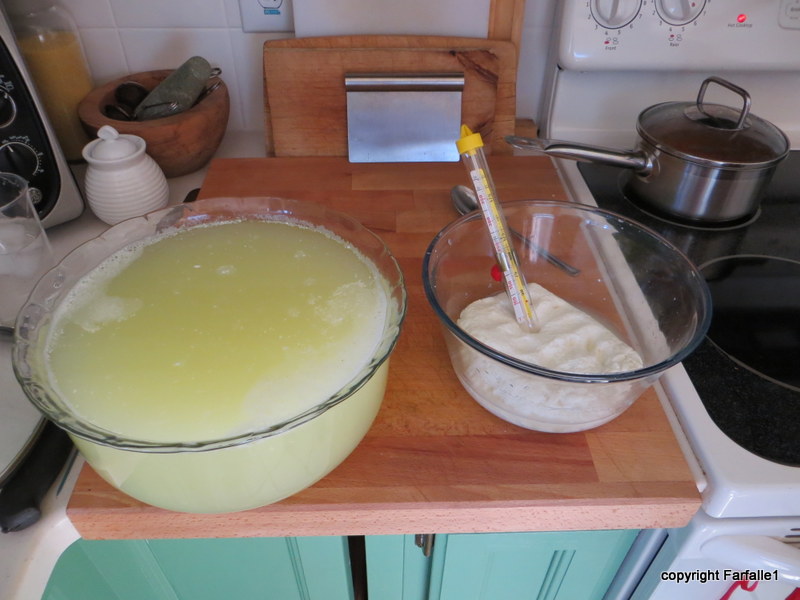
making mozarella

The hardest part of the exercise for Speedy and me was getting the temperatures right; but evidently we didn’t do too bad a job. In the photo above you see the milk, to which has been added the citric acid and rennet, coming up to temperature. Curds and whey are already forming – this so so much fun!

making mozarella-001

Once the curds had clumped up we separated them from the whey (Emma suggests using whey for bread-making, soups, smoothies and so forth) and… microwaved them! I know – we were really surprised too, but it turns out to work very well. We had to bring the cheese up to an interior temperature of 135 F in order for it to become elastic.

making mozarella-005

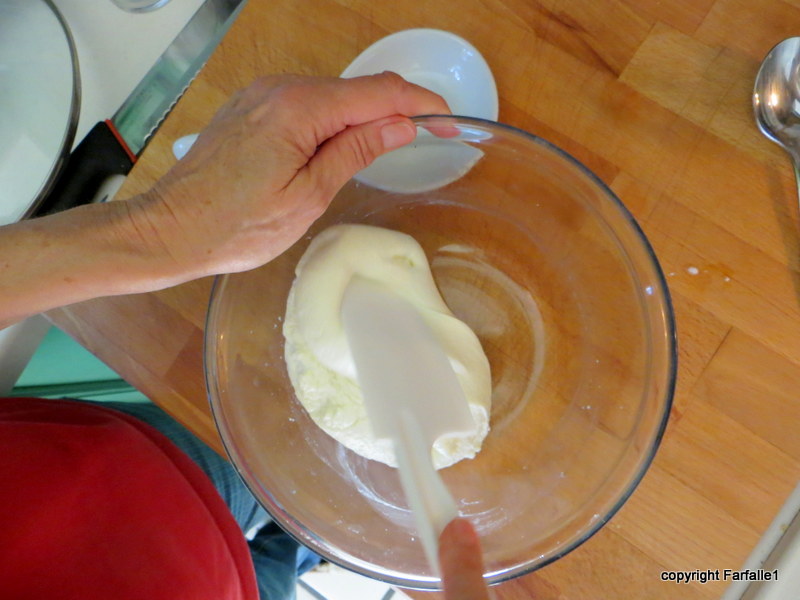
After that it was a simple matter of adding salt and ‘kneading’ to make the cheese elastic and glossy.

making mozarella-006

Our finished ‘balls!’ I’m not sure why ours flattened out so much. Perhaps we left too much whey in, or perhaps we didn’t knead enough – or too little – or perhaps we were off on our temperatures (a new instant thermometer is on the shopping list). In any event, they taste just fine. Maybe not quite as good as what we buy in Liguria… but maybe so.*

Now… what to do with 3 quarts of whey. If only we had a pig…

*Honesty compels me to admit our cheese was a bit strange.  The balls didn’t hold their shape; instead they flattened out into large discs.  The texture of the cheese was denser than we expected, though the flavor was just fine, sweet and rich.  Bottom line: we need to do this again!

A week later and a second try: better, but still not *perfect*.

Putting a Face on the Salvation Army

11 Wednesday Dec 2013

Posted by farfalle1 in Home maintenance and repair, People, Portraits of people, Uncategorized

≈ 4 Comments

Tags

Salvation Army, The Salvation Army

Salvation Army truck

There goes our old sofa! It’s a long story, and not the one I want to tell you today. The one for today is about the people who took away the old sofa – and the matching loveseat, the beat-up computer table, bits and pieces of the old computer, a long-handled kitchen fork and a couple of bags of miscellaneous household goods: The Salvation Army.

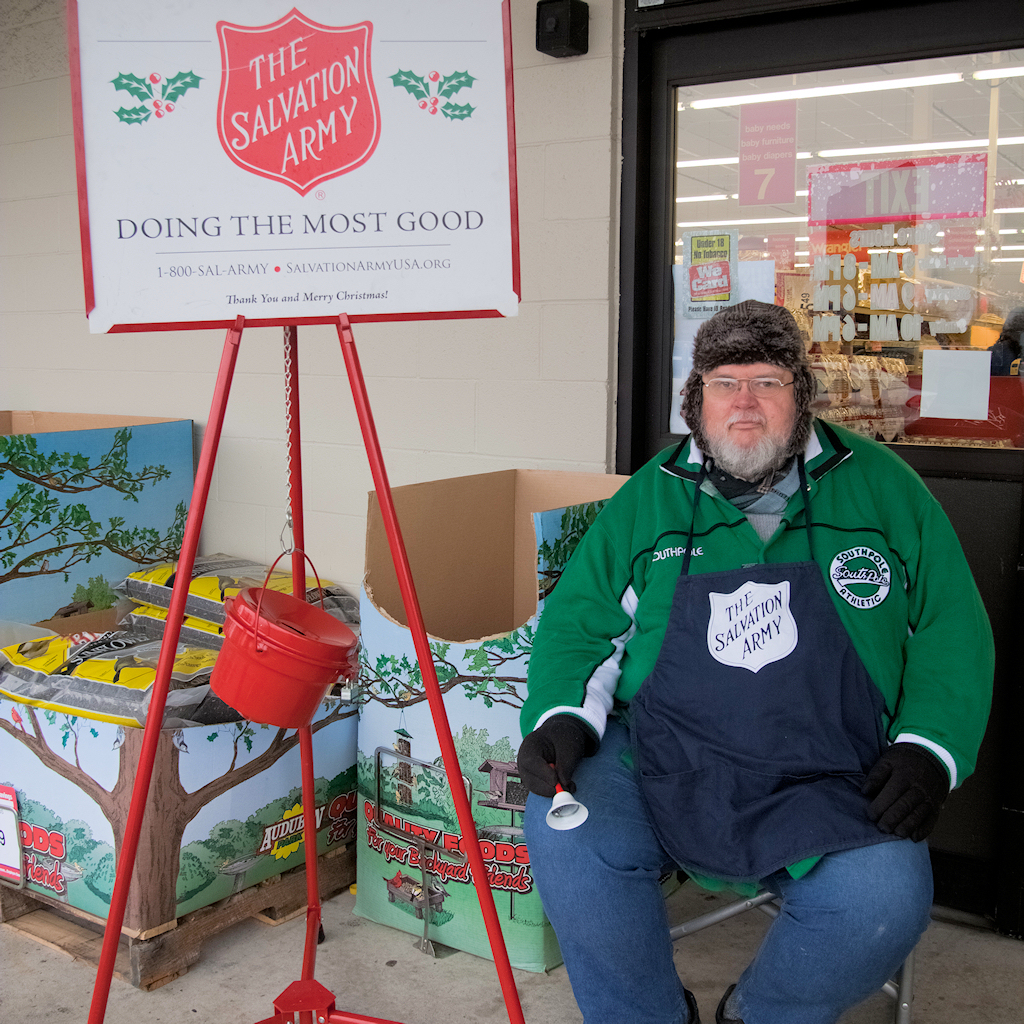
If you’re like me, you have a vague sense that the Salvation Army helps people, that its volunteers raise money around Christmas by ringing a bell next to a red kettle into which one may put cash.

Photo courtesy of Staytondailyphoto.com (Oregon)

Photo courtesy of Staytondailyphoto.com (Oregon)

Perhaps you’ve visited one of the almost 1,500 thrift stores, looking for bargains or dropping off contributions.  One of those stores is no doubt the destination of the disapearing sofa, etc.

I knew from some volunteer work years ago that the Salvation Army is a ‘front line’ agency – that is, they are there to help people in immediate need: those with no place to go, those who are hungry, those who are in dire straits. The United Way I was with so long ago gave money to the Salvation Army in spite of its being a religious organization because it was front line, and because the work it does can literally save lives.

I also knew from hearsay that the organization is evangelically Christian (Army??) and that it is rigorously conservative, taking a dim few, for example, of homosexuality. Happily, a visit to the Army’s web site suggests that, in spite of their extremely orthodox, conservative and evangelical approach, they are making a concerted effort to be more inclusive, at least in their rhetoric (if you want to know more about the Salvation Army’s history, organization and tenets, click here.  It’s pretty interesting).

Wikipedia tells us “the Salvation Army is one of the world’s largest providers of social aid, with expenditures including operating costs of $2.6 billion in 2004, helping more than 32 million people in the U.S. alone. In addition to community centers and disaster relief, the organization does work in refugee camps, especially among displaced people in Africa. The Salvation Army has received an A- rating from the American Institute of Philanthropy.”

Well, okay.  That’s all interesting. But back to those sofas. Two men came in the “Sally Van” to pick up our no-longer-wanted furniture; meeting them was one of the highlights of my week.

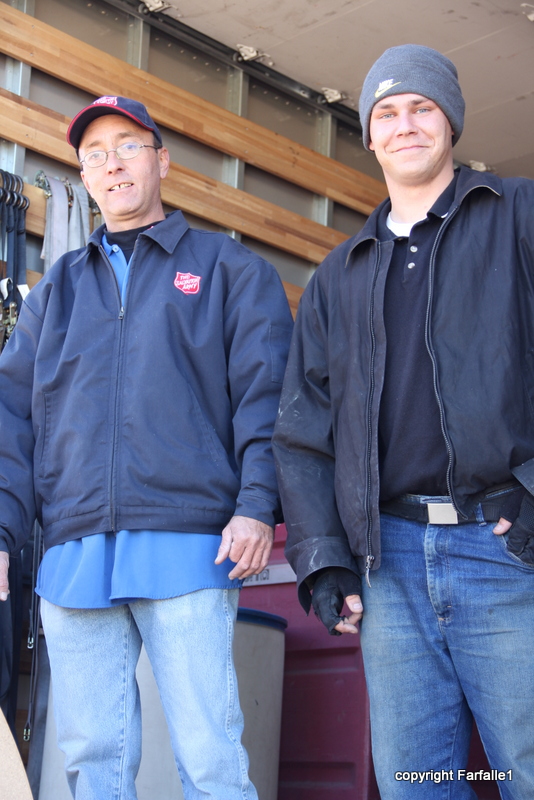
Meet Steve and Scott:

Steve and Scott

We got talking as they shifted our furniture, and Steve mentioned that he had been homeless for ten years.

“How could you be homeless for ten years?” I asked. “Did you lose your job and just couldn’t find another?” He is a bright, organized man, and it just didn’t make sense to me.

“Drugs and alcohol,” he replied.

“Ohhh,” I said, in some embarrassment at being so dense.

“That’s my story too,” said Scott, who volunteers 40 hours a week with the Salvation Army (Steve is now a paid employee).

Steve
Steve went on to tell me with justifiable pride that he had just celebrated his fifth anniversary of being ‘clean and sober.’

Scott
Scott has been off the streets and sober now for five months.

I wondered aloud what percentage of people who work at the Salvation Army are volunteers like Scott, and what percentage are paid. Scott opined that only about 10-15% of the staff are paid; all the rest are volunteers. And each one has his own story, no doubt. Just here in Phoenix there are ten vans that go out every single day alternating between East Valley and West Valley. Each day they come back to the warehouse chock-a-block full of things like our sofa (on a good day) and our computer desk (on a normal day). That is to say that they will take things for which you might not be able to imagine a use, things that might be a little beat-up and well-used. Some items the volunteers will repair, some will go right into the shops after being cleaned and sanitized, and some are auctioned off to others who will find a use for them.  It is a great way to breathe new life into old things.

But much more than that, it is a new way to breathe new life into a person who has faltered and needs help. I can’t imagine anything more difficult than being addicted to drugs or alcohol, and then being strong enough to recover.  What courage! While one might or might not agree with the religious tenets of the Salvation Army, one can only applaud the work they do saving people like Steve and Scott. Meeting them was a humbling pleasure.

Virga at Sunset

17 Sunday Nov 2013

Posted by farfalle1 in Arizona, Uncategorized, Weather

≈ 8 Comments

Tags

Streams of light, sunset

dramatic clouds Gold Canyon-001

Virga, which is very common here in the southwest U.S., is a shaft of rain which evaporates before it reaches the ground. You can see short streaks of it under the lower cloud in the photo above.  The sky is frequently beautiful here in Arizona at sunset, but not usually quite as dramatic as this one. You’ll see it more clearly if you click on the photo. The snail has landed!

← Older posts
Newer posts →

Enter your email address to follow this blog and receive notifications of new posts by email.

Join 111 other subscribers

rss

Subscribe in a reader

Search the Blog

A. Useful Links

  • bab.la language dictionary
  • Bus schedules for Tigullio
  • Conversions
  • English-Italian, Italian-English Dictionary
  • Expats Moving and Relocation Guide
  • Ferry Schedule Rapallo, Santa Margherita, Portofino, San Frutuoso
  • Italian Verbs Conjugated
  • Piazza Cavour
  • Rapallo's Home Page – With Link to the Month's Events
  • Slow Travel
  • The Informer – The Online Guide to Living in Italy
  • Transportation Planner for Liguria
  • Trenitalia – trains! Still the most fun way to travel.

C. Elaborations

  • A Policeman’s View
  • Driving School Diary
  • IVA refunds due for past Rifiuti tax payements
  • Nana
  • Old trains and old weekends
  • The peasant, the Virgin, the spring and the ikon
  • Will Someone Please, Please Take Me to Scotland?

D. Good Recipes - Best of the Week winners are starred

  • 'Mbriulata
  • *Baked Barley and Mushroom Casserole*
  • *Captain’s Boston Baked Beans*
  • *Crimson Pie*
  • *Louise’s Birthday Cake*
  • *Melanzane alla Parmigiana*
  • *Penne with Cabbage and Cream
  • *Pizzoccheri della Valtellina*
  • *Pumpkin Ice Cream*
  • *Risotto alla Bolognese*
  • *Rolled Stuffed Pork Roast*
  • *Spezzatini di Vitello*
  • *Stuffed Grape Leaves*
  • *Stuffed Peaches (Pesche Ripiene)*
  • *Swordfish with Salsa Cruda*
  • *Tagliarini with Porcini Mushrooms*
  • *Tagliatelli al Frutti di Mare*
  • *Three P's Pasta*
  • *Tzatziki*
  • 10th Tee Oatmeal Apricot Bars
  • Adriana’s Fruit Torta
  • Aspic
  • Bagna-calda
  • Best Brownies in the World
  • Clafoutis
  • Cold cucumber soup
  • Crispy Tortillas with Pork and Beans
  • Easy spring or summer pasta
  • Fish in the Ligurian Style
  • Hilary's Spicy Rain Forest Chop
  • Insalata Caprese
  • Lasagna al forno
  • Lasagna al Forno con Sugo Rosato e Formaggi
  • Lemon Meringue Pie
  • Leo’s Bagna Cauda
  • Leo’s Mother’s Stuffed Eggs
  • Louis’s apricot chutney
  • Mom's Sicilian Bruschetta
  • No-Knead (almost) Bread
  • Nonna Salamone's Christmas Cookies
  • Pan Fried Noodles with Duck, Ginger, Garlic and Scallions
  • Pesto, the classic and original method
  • Pesto, the modern, less authentic method
  • Pickle Relish
  • Poached pears
  • Poached Pears
  • Polenta Cuncia
  • Recipes from Paradise by Fred Plotkin
  • Rustic Hearth Bread
  • Shrimp and Crayfish Tail Soup
  • Sicilian salad
  • Slow Food Liguria
  • Slow Food Piemonte and Val d'Aosta
  • Spinach with Garlic, Pine Nuts and Raisins
  • Stuffed Eggs, Piemontese Style
  • The Captain’s Salsa Cruda
  • Tomato Aspic
  • Zucchini Raita

E. Blogroll

  • 2 Baci in a Pinon Tree
  • Aglio, Olio & Peperoncino
  • An American in Rome
  • Bella Baita View
  • Debra & Liz's Bagni di Lucca Blog
  • Expat Blog
  • Food Lovers Odyssey
  • Italian Food Forever
  • L’Orto Orgolioso
  • La Avventura – La Mia Vita Sarda
  • La Cucina
  • La Tavola Marche
  • Rubber Slippers in Italy
  • Southern Fried French
  • Status Viatoris
  • Tour del Gelato
  • Weeds and Wisdom

Photographs

  • A Day on the Phoenix Light Rail Metro
  • Apache Trail in the Snow
  • Aquileia and Croatia
  • Birds on the Golf Course
  • Bridge Art
  • Canadair Fire Fighters
  • Cats of Italy
  • Cloudy day walk from Nozarego to Portofino
  • Fiera del Bestiame e Agricultura
  • Football Finds a Home in San Maurizio
  • Hiking Dogs
  • Mercatino dei Sapori – Food Fair!
  • Moto Models
  • Olive pressing
  • Rapallo Gardens
  • Rapallo's Festa Patronale
  • Ricaldone and the Rinaldi Winery
  • Rice Fields
  • Sardegna ~ Arbatax and Tortoli
  • Sardegna ~ San Pietro above Baunei
  • Sardegna ~ The Festa in Baunei
  • Scotland, including Isle of Skye
  • Slow Food 2008 Salone del Gusto
  • The Cat Show and the Light Rail Fair
  • The desert in bloom
  • Trip to Bavaria

Pages

  • Fagioli all’ucelleto

Archives

Recent Posts

  • Thursdays at the Shelter
  • Ahoy, Matey!!
  • The World’s Most Expensive Tomatoes
  • It all depends on how you look at it…
  • A Superior Visit
September 2026
M T W T F S S
 123456
78910111213
14151617181920
21222324252627
282930  
« Jul    

Member of The Internet Defense League

Blog at WordPress.com.

  • Subscribe Subscribed
    • An Ex-Expatriate
    • Join 111 other subscribers
    • Already have a WordPress.com account? Log in now.
    • An Ex-Expatriate
    • Subscribe Subscribed
    • Sign up
    • Log in
    • Report this content
    • View site in Reader
    • Manage subscriptions
    • Collapse this bar
Loading Comments...